Geopolitical Standoff Deepens as Iran Reportedly Demands Crypto Fees for Strait of Hormuz Passage
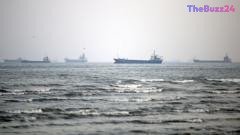
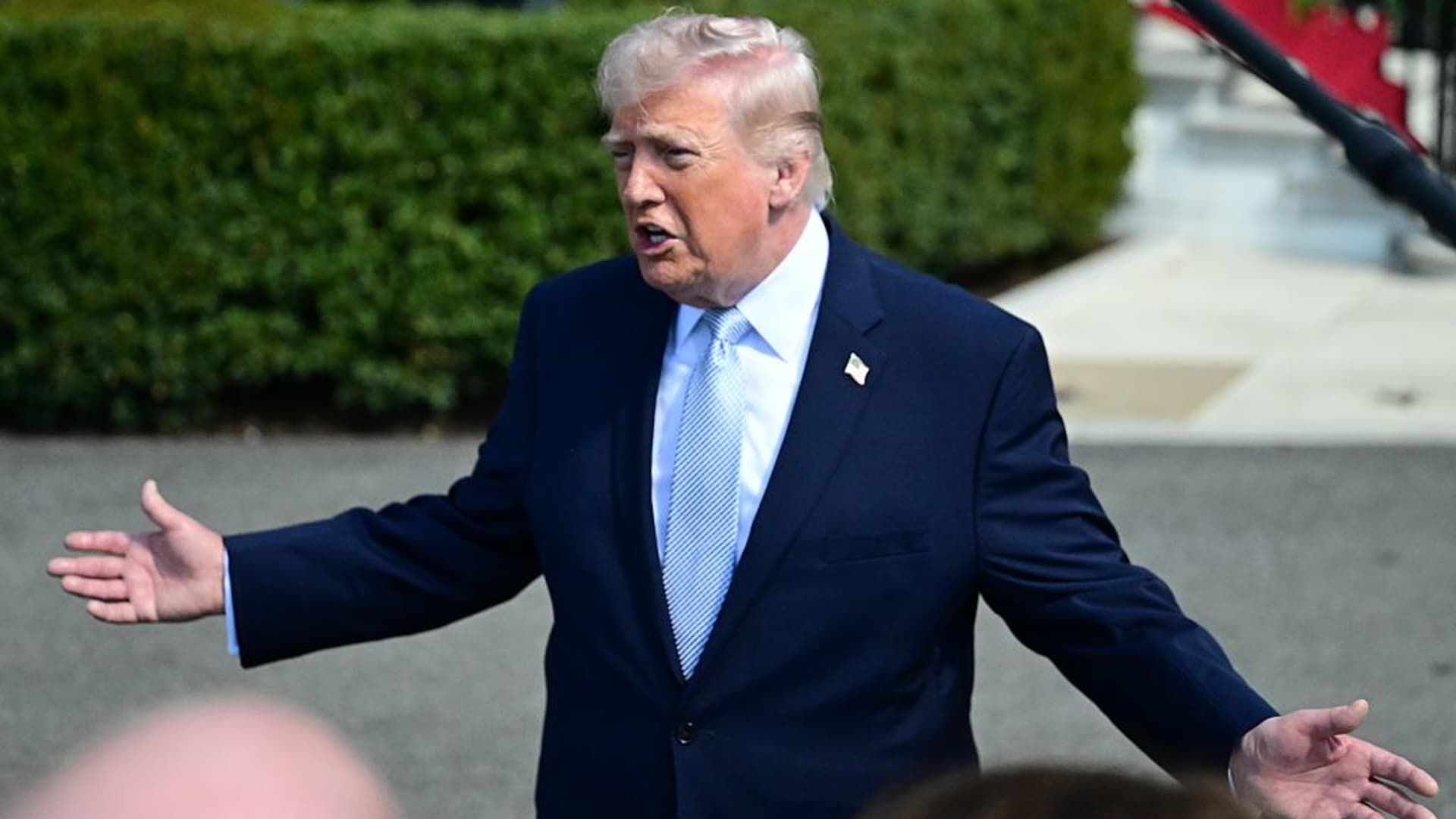
The geopolitical stability of the Strait of Hormuz is under renewed pressure following reports that Iran is attempting to levy unauthorized transit fees on oil tankers. This critical maritime corridor, responsible for the movement of approximately 20% of the global oil supply, has become the center of a high-stakes confrontation. In response to these developments, the U.S. administration has issued a stern warning, emphasizing that any interference with international shipping lanes is unacceptable.
This escalation arrives shortly after a two-week ceasefire was established between the United States and Iran. The agreement was predicated on the condition that the strait would remain open and secure for commercial vessels. However, allegations have surfaced suggesting that Iranian authorities are attempting to circumvent these terms by mandating that shipping companies pay transit fees in cryptocurrency to ensure safe passage, a move that directly challenges the spirit of the recent diplomatic truce.
U.S. officials have reiterated their commitment to maintaining the flow of global energy markets and preventing the advancement of Iran’s nuclear program. While the administration claims a strategic victory in the current standoff, the situation remains volatile. International observers are closely watching to see if these digital payment demands will lead to a collapse of the ceasefire and trigger further disruptions to global energy logistics.
Key Takeaways
- Iran is allegedly demanding cryptocurrency payments from oil tankers to guarantee safe passage through the Strait of Hormuz.
- The reported demands threaten the integrity of a recently brokered two-week ceasefire between the U.S. and Iran.
- The U.S. government has reaffirmed its stance that global oil transit must remain unobstructed by regional actors.
Editor’s Analysis & Impact
The integration of cryptocurrency into maritime extortion tactics marks a sophisticated shift in geopolitical maneuvering. By demanding digital assets, Iran is likely attempting to bypass traditional international financial sanctions while simultaneously asserting control over a vital energy chokepoint. This strategy places shipping companies in a precarious position, forcing them to choose between the risk of vessel seizure and the legal complexities of paying non-state-sanctioned digital fees. From a market perspective, this development introduces a new layer of volatility for global oil prices and maritime insurance rates. As state actors increasingly adopt decentralized finance tools to project power, the international community must adapt its security and sanctions frameworks to address this intersection of cyber-financial warfare and traditional maritime logistics.
Frequently Asked Questions
Q: Why is the Strait of Hormuz considered a critical global chokepoint?
A: The Strait of Hormuz is a narrow waterway that serves as the primary transit route for roughly 20% of the world's total oil supply, making it essential to global energy security.
Q: How do the reported cryptocurrency demands affect the U.S.-Iran ceasefire?
A: The ceasefire was contingent upon the Strait of Hormuz remaining open and safe for international shipping. Demanding transit fees, particularly in cryptocurrency, violates the terms of this agreement and threatens to end the current period of de-escalation.
AI Disclosure: This article is based on verified data and official reports. Our Team and AI have cross-referenced every financial detail with primary sources to ensure total accuracy.
More from this Category