Growing the Future: How Space Station Research is Solving Deep Space Nutrition
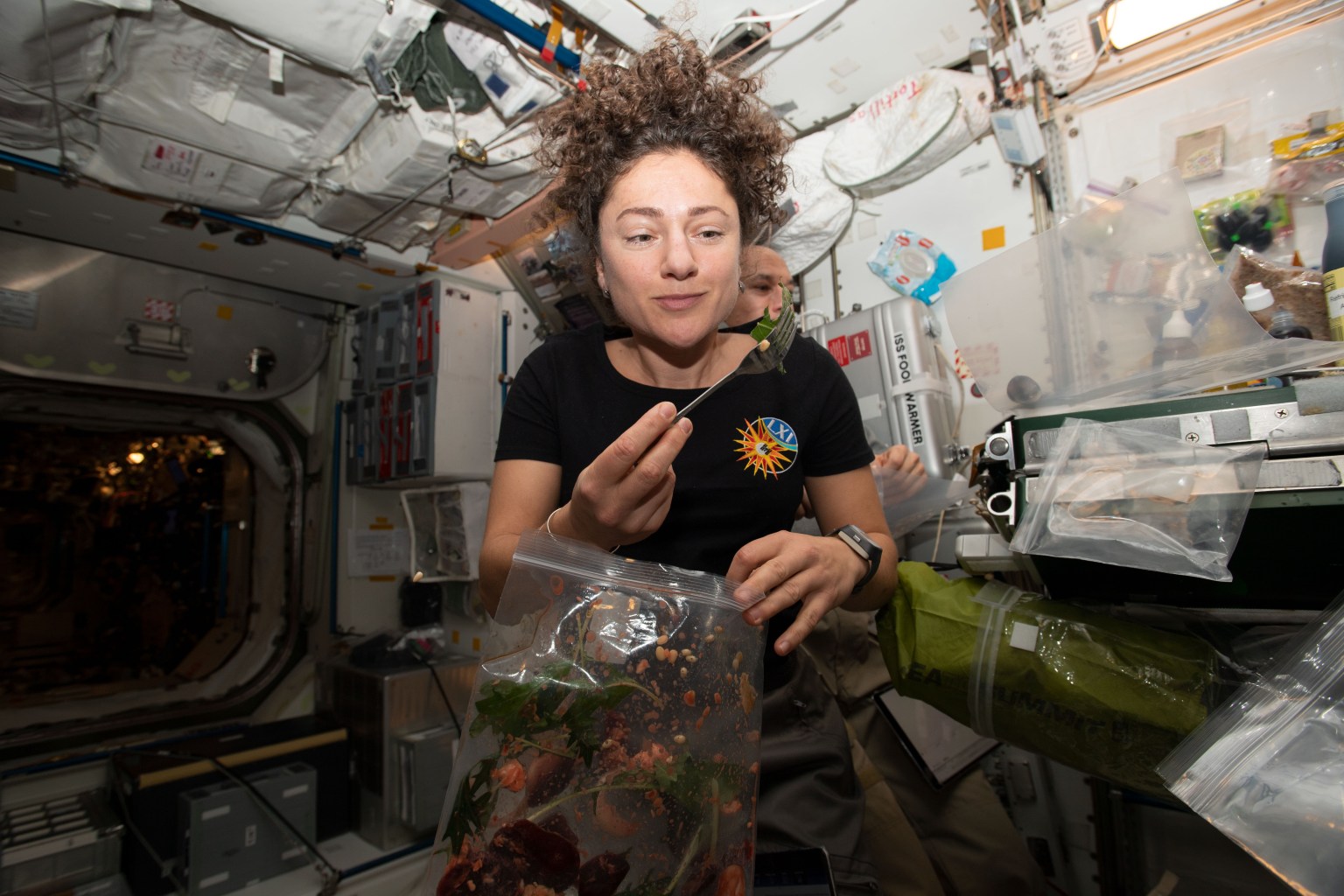
As humanity sets its sights on long-duration missions to the Moon, Mars, and beyond, the challenge of sustaining astronaut health through reliable nutrition has become a top priority. The International Space Station (ISS) is currently serving as a critical testbed for developing self-sustaining food systems that can function in microgravity. By experimenting with various plant species and alternative protein sources, researchers are working to overcome the biological hurdles of extraterrestrial agriculture.
One significant area of study is the Veg-06 investigation, which focuses on alfalfa and its symbiotic relationship with nitrogen-fixing bacteria. By analyzing how these organisms interact in space, scientists hope to optimize plant growth cycles. Furthermore, the research explores the role of lignin—a structural compound in plants—to determine if reducing its levels could improve the efficiency of recycling plant matter for future crop generations. These insights are essential for creating a closed-loop ecosystem where resources are continuously repurposed.
Beyond traditional farming, researchers are testing innovative methods for high-efficiency food production. The Space Surface Spirulina experiment is evaluating a thin-film cultivation technique for protein-rich algae, which offers the dual benefit of food production and oxygen generation while minimizing water usage. Simultaneously, large-scale seed studies, such as the Tomatosphere 9 project, are exposing millions of seeds to spaceflight conditions. By comparing these seeds with Earth-grown controls, scientists are gathering vital data on seed viability and protection strategies, ensuring that future explorers have the tools necessary to cultivate their own food during extended interplanetary voyages.
Key Takeaways
- The ISS is testing nitrogen-fixing bacteria and lignin modification to optimize plant growth in microgravity.
- New thin-film cultivation methods for spirulina are being developed to provide protein while simultaneously generating oxygen.
- Large-scale seed exposure experiments are helping scientists understand how to protect and grow crops during long-duration space missions.
Editor’s Analysis & Impact
The research conducted on the International Space Station represents a fundamental shift in space exploration strategy: moving from ‘carrying’ supplies to ‘cultivating’ resources. This transition is economically and logistically vital for the viability of long-term lunar and Martian outposts. By mastering in-situ food production, space agencies can drastically reduce the payload weight of supply missions, which is currently a major cost driver. Furthermore, the integration of educational initiatives like Tomatosphere 9 suggests a broader strategy to build public support and scientific literacy around space agriculture. As private sector interest in space travel grows, these agricultural breakthroughs will likely become intellectual property assets, potentially influencing future commercial space station designs and the burgeoning field of space-based biotechnology.
Frequently Asked Questions
Q: Why is it important to study lignin in space-grown plants?
A: Lignin provides structural support to plants on Earth. Researchers are studying it in space to see if reducing its levels can make plant matter easier to recycle, which is crucial for maintaining sustainable, successive crop cycles in a closed environment.
Q: What are the benefits of growing spirulina on a thin-film surface?
A: Growing spirulina on a thin-film surface is more efficient than traditional water tanks because it conserves water, requires less space, and simultaneously produces oxygen, making it an ideal candidate for spacecraft life support systems.
AI Disclosure: This article is based on verified data and official reports. Our Team and AI have cross-referenced every financial detail with primary sources to ensure total accuracy.
More from this Category