OpenAI Pivots to Autonomous Agents Capable of Controlling Desktop Interfaces
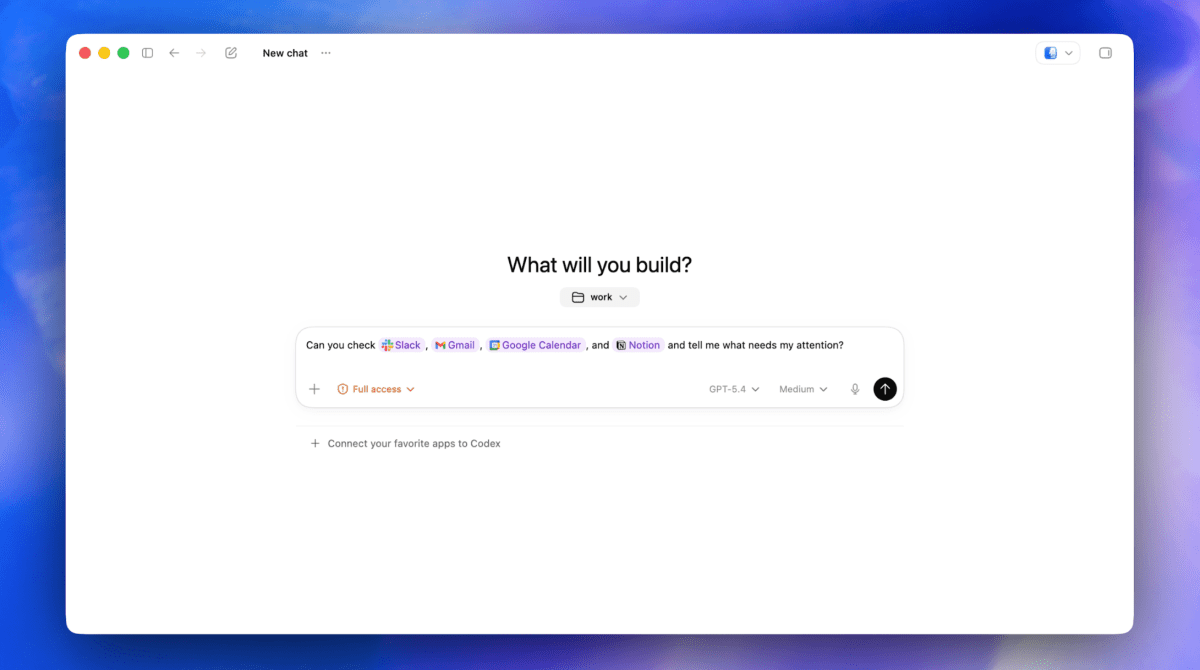
OpenAI is significantly expanding the scope of its artificial intelligence offerings by introducing autonomous agents engineered to act as proactive digital assistants. Moving past the limitations of traditional text-based models, these new agents are designed to execute complex desktop workflows by directly interacting with software interfaces. By simulating human actions such as clicking, typing, and navigating through various applications, the technology aims to automate repetitive tasks that have historically required manual input.
A major technical breakthrough for this initiative is the system’s ability to interface with legacy software that lacks modern API support. By utilizing a virtual cursor and an integrated browser, the AI can bridge the gap between outdated enterprise systems and contemporary digital requirements. This functionality allows organizations to automate processes within older environments that were previously considered incompatible with modern automation tools.
To enhance its utility as a long-term productivity partner, OpenAI has implemented persistent memory, enabling the AI to retain context across different user sessions. This is complemented by the integration of over 100 new plugins, including specialized tools like GitLab and CodeRabbit, which facilitate administrative duties such as calendar management and internal communication synthesis. To support this professional-grade deployment, the company has launched a pay-as-you-go pricing model, signaling a strategic effort to embed its technology deeply into the daily operations of business professionals and developers.
Key Takeaways
- OpenAI is launching autonomous agents capable of performing direct desktop actions like clicking and typing to automate workflows.
- The new system can interact with legacy software that lacks modern APIs, expanding automation possibilities for older enterprise systems.
- A new pay-as-you-go pricing structure has been introduced to facilitate the integration of these agents into professional and developer environments.
Editor’s Analysis & Impact
OpenAI’s shift toward autonomous agents represents a fundamental evolution in the AI landscape, moving from ‘generative’ tools to ‘action-oriented’ systems. By enabling AI to control the desktop environment, OpenAI is directly challenging incumbent robotic process automation (RPA) providers. The ability to interact with legacy software is a significant competitive moat, as it unlocks automation potential in industries that have been slow to modernize their digital infrastructure. If successful, this technology could drastically reduce the time spent on administrative overhead, effectively turning AI from a chatbot into a functional digital employee. However, this transition will likely face scrutiny regarding security and the potential for AI-driven errors in sensitive enterprise environments. The move toward a pay-as-you-go model suggests a long-term strategy to capture enterprise market share by aligning costs with actual productivity gains.
Frequently Asked Questions
Q: How do these new OpenAI agents differ from previous versions?
A: Previous versions were primarily focused on text generation and analysis, whereas these new agents can actively control a computer interface by clicking, typing, and navigating software just like a human user.
Q: Can these agents work with older software?
A: Yes, the agents are designed to interact with legacy software that does not support modern APIs by utilizing a virtual cursor and an integrated browser to perform tasks directly within the user interface.
AI Disclosure: This article is based on verified data and official reports. Our Team and AI have cross-referenced every financial detail with primary sources to ensure total accuracy.
More from this Category