Pope Leo XIV Issues Global Warning on AI and Resource Exploitation During Cameroon Visit
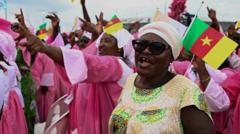
Pope Leo XIV addressed a crowd of over 120,000 worshippers at the Japoma Stadium in Douala, Cameroon, marking the largest assembly of his 11-day African tour. The event served as a platform for the pontiff to deliver a message of peace and moral responsibility, specifically addressing the youth in a region recently impacted by conflict. He called upon the younger generation to eschew corruption and violence, urging them to focus their efforts on community development and spiritual growth.
A central theme of the Pope’s address was the ethical trajectory of modern technology. He expressed deep concern over the rapid proliferation of artificial intelligence, warning that the technology threatens to deepen social divisions and erode the human capacity for authentic connection. According to the pontiff, the rise of digital simulations risks detaching individuals from reality, potentially fostering a climate of fear and polarization that undermines genuine human dialogue.
Beyond the digital realm, the Pope turned his attention to the economic exploitation of the African continent. He sharply criticized the aggressive extraction of rare earth minerals, such as cobalt, which are critical components for the global AI industry. He argued that the relentless pursuit of these resources by global powers often comes at a significant cost to local communities and the environment. The Pope’s tour, which commenced in Algeria, is set to proceed through Angola before concluding in Equatorial Guinea.
Key Takeaways
- Pope Leo XIV addressed over 120,000 people in Cameroon, emphasizing peace and youth empowerment.
- The pontiff warned that artificial intelligence could lead to increased social fragmentation and a loss of authentic human interaction.
- The Pope condemned the aggressive extraction of African raw materials, specifically linking the demand for cobalt to the global AI industry.
Editor’s Analysis & Impact
Pope Leo XIV’s remarks represent a significant intersection of religious ethics and modern technological critique. By directly linking the environmental and social costs of mineral extraction in Africa to the global demand for AI hardware, the pontiff is positioning the Church as a key voice in the debate over ‘ethical tech.’ This narrative shift suggests that the future of the AI industry will face increasing scrutiny not just from regulators, but from moral and humanitarian institutions concerned with the supply chain’s human cost. As the digital economy continues to expand, the tension between technological progress and the preservation of local ecosystems and social cohesion will likely become a central pillar of global discourse. The Pope’s focus on the youth suggests a long-term strategy to influence the next generation of leaders and consumers to prioritize sustainability over rapid, unchecked digital growth.
Frequently Asked Questions
Q: What were the primary concerns raised by Pope Leo XIV regarding artificial intelligence?
A: The Pope warned that AI could foster polarization, fear, and a detachment from reality, ultimately hindering the ability of humans to engage in genuine, meaningful dialogue.
Q: How did the Pope connect AI to the economic situation in Africa?
A: He highlighted that the global demand for rare earth minerals like cobalt, which are essential for AI technology, leads to aggressive and harmful resource extraction practices across the African continent.
AI Disclosure: This article is based on verified data and official reports. Our Team and AI have cross-referenced every financial detail with primary sources to ensure total accuracy.
More from this Category