Tesla Scales Autonomous Robotaxi Network Across Major Texas Hubs
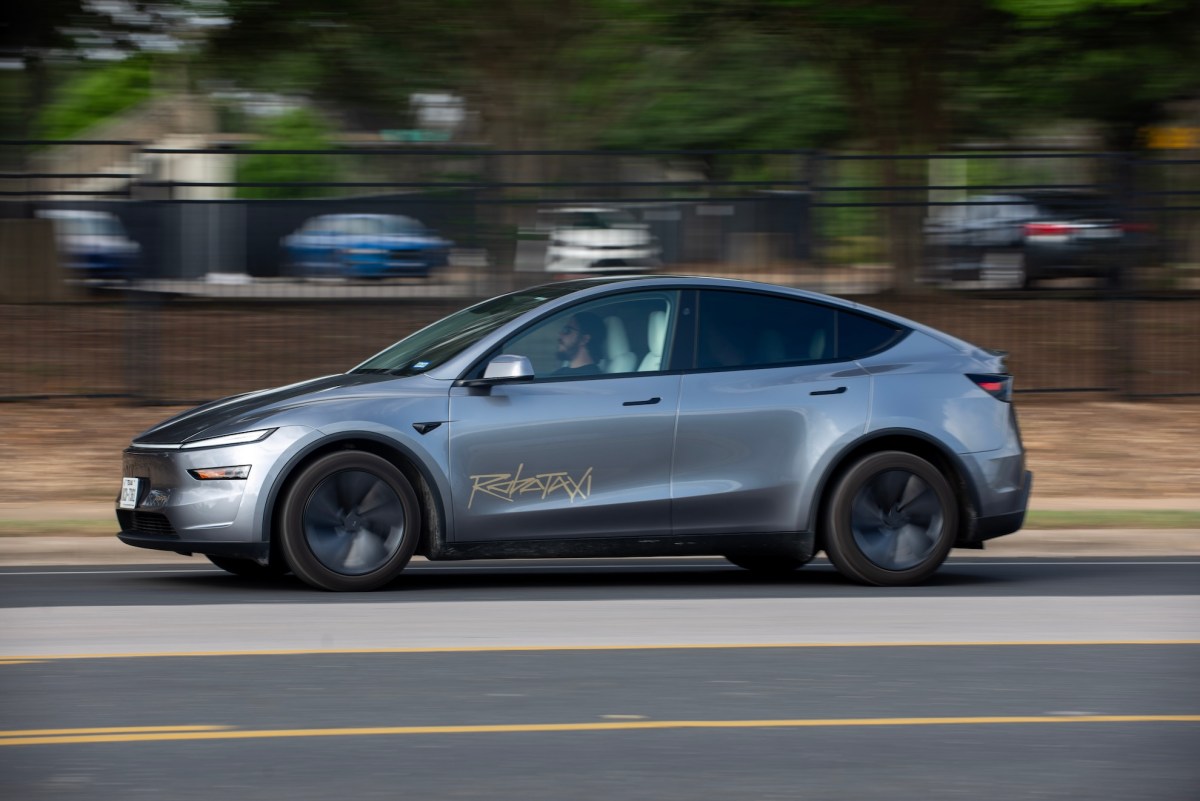
Tesla has officially extended its autonomous ride-hailing operations into Dallas and Houston, signaling a major milestone in the company’s push toward widespread driverless transportation. The expansion, confirmed via demonstrations of vehicles navigating public streets without human intervention, builds upon the foundation established in Austin, where the company has been operating a driverless service since early 2026.
While the footprint of the robotaxi program is growing, the current density of the fleet remains uneven across the state. In both Dallas and Houston, the presence of autonomous vehicles is currently limited to a single active unit per city. This initial phase serves as a testing ground for the technology in more complex urban environments, contrasting with the more mature and densely populated fleet currently operating in Austin.
Navigating the path to full autonomy has not been without its hurdles. Regulatory filings have revealed that the Austin-based fleet was involved in 14 reported incidents since its launch, highlighting the ongoing safety challenges inherent in autonomous driving. As Tesla continues to iterate on its software and sensor suites, it is simultaneously maintaining a human-driven ride service in the San Francisco Bay Area, suggesting a strategic, multi-layered approach to capturing the future of urban mobility.
Key Takeaways
- Tesla has expanded its driverless robotaxi service to include Dallas and Houston, joining Austin in its Texas-based autonomous network.
- The current deployment in the new markets is limited to one vehicle per city as the company tests its technology in diverse urban environments.
- Tesla continues to balance its autonomous ambitions with a human-driven ride service in California while addressing safety data from its existing fleet.
Editor’s Analysis & Impact
Tesla’s expansion into Dallas and Houston represents a calculated step in the company’s transition from a vehicle manufacturer to a mobility-as-a-service provider. By scaling into these major metropolitan areas, Tesla is gathering critical real-world data necessary to refine its Full Self-Driving (FSD) algorithms in varied traffic conditions. However, the industry impact is tempered by the reality of regulatory and safety scrutiny. The reported crash data from the Austin fleet underscores the significant technical and public trust barriers that remain. Looking ahead, the success of this rollout will likely hinge on Tesla’s ability to demonstrate a consistent safety record that satisfies both state regulators and the public. If successful, this model could fundamentally disrupt the traditional ride-hailing market, though the path to full-scale, profitable autonomy remains a long-term endeavor.
Frequently Asked Questions
Q: In which cities is the Tesla robotaxi service currently available?
A: The service is currently active in Austin, Dallas, and Houston, Texas.
Q: Does Tesla operate any other ride-hailing services besides its autonomous fleet?
A: Yes, Tesla also operates a separate, human-driven ride service in the San Francisco Bay Area.
AI Disclosure: This article is based on verified data and official reports. Our Team and AI have cross-referenced every financial detail with primary sources to ensure total accuracy.
More from this Category