Beyond the Tourist Traps: The New Frontier of European Travel
A significant shift is occurring in the global tourism landscape as holidaymakers move away from conventional all-inclusive resorts in favor of authentic, culturally immersive experiences. Driven by a combination of geopolitical shifts, rising living costs, and concerns over fuel prices, travelers are increasingly seeking destinations that offer both value and unique narratives. This evolution marks a departure from the predictable vacation models of the past, with a growing number of people eager to explore territories they have never visited before.
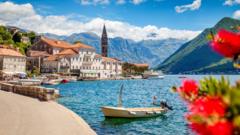
The Balkan region has emerged as a primary beneficiary of this trend. Countries like Montenegro and Albania are rapidly gaining popularity as affordable alternatives to the more expensive coastal hubs of Italy and Croatia. Montenegro is attracting a younger, adventure-seeking demographic with its blend of mountain landscapes and coastal beauty, while Albania’s ‘Riviera’ offers stunning Mediterranean-style beaches at a fraction of the price. Beyond the coast, the historical depth of Albanian towns like Berat provides a rich cultural layer that appeals to the modern, inquisitive traveler.
In Northern Europe, the Baltic states—Estonia, Finland, and Lithuania—are seeing a rise in interest from those looking to escape the intense heat of the south. The region offers a refreshing climate and seamless connectivity, such as the efficient ferry links between Helsinki and Tallinn. Meanwhile, Germany’s Rügen island continues to be a major draw for those seeking scenic beauty and historical charm without the need for long-haul travel. This trend highlights a growing preference for ‘journey-centric’ travel, where the transit between destinations becomes part of the adventure.
Even within established tourism giants like Spain, the map is being redrawn. While major cities remain popular, there is a noticeable surge in travelers heading to northern regions like Asturias and La Rioja. These areas offer a more tranquil and authentic experience, focusing on lush landscapes and world-class culinary traditions. By moving away from the crowded coasts of the south, travelers are discovering a more diverse and meaningful way to engage with European culture.
Key Takeaways
- Travelers are pivoting from mass-market all-inclusive packages toward authentic and culturally rich experiences.
- The Balkans and Northern Europe are becoming major hubs due to their affordability, safety, and cooler climates.
- Economic factors and a desire for value are driving tourists to explore secondary regions in countries like Spain.
Editor’s Analysis & Impact
The decentralization of European tourism reflects a broader economic and social shift. As inflation and rising travel costs squeeze consumer budgets, the traditional dominance of high-priced Mediterranean destinations is being challenged by ‘value-driven’ alternatives in the Balkans. This isn’t merely a budget-conscious move; it represents a fundamental change in traveler psychology. The modern tourist is increasingly prioritizing ‘experience density’—seeking destinations that offer a high ratio of cultural, culinary, and natural variety per dollar spent. For the travel industry, this signals a move away from the era of mass-market homogeneity toward a more fragmented, interest-based market. Success for future tourism models will likely depend on their ability to market regional authenticity and seamless inter-regional connectivity rather than just iconic landmarks.
Frequently Asked Questions
Q: Why are the Balkans becoming a popular alternative to traditional European destinations?
A: Destinations like Montenegro and Albania offer stunning landscapes and coastal beauty similar to Greece or Croatia but at a much more accessible price point, making them ideal for budget-conscious and adventure-seeking travelers.
Q: What is driving the trend toward Northern European travel?
A: A desire for cooler climates to avoid summer heatwaves, combined with a search for safety, stability, and unique cultural heritage in the Baltic states, is driving more travelers toward the north.
AI Disclosure: This article is based on verified data and official reports. Our Team and AI have cross-referenced every financial detail with primary sources to ensure total accuracy.
More from this Category