U.S. Businesses Initiate Massive Refund Claims Following Tariff Ruling
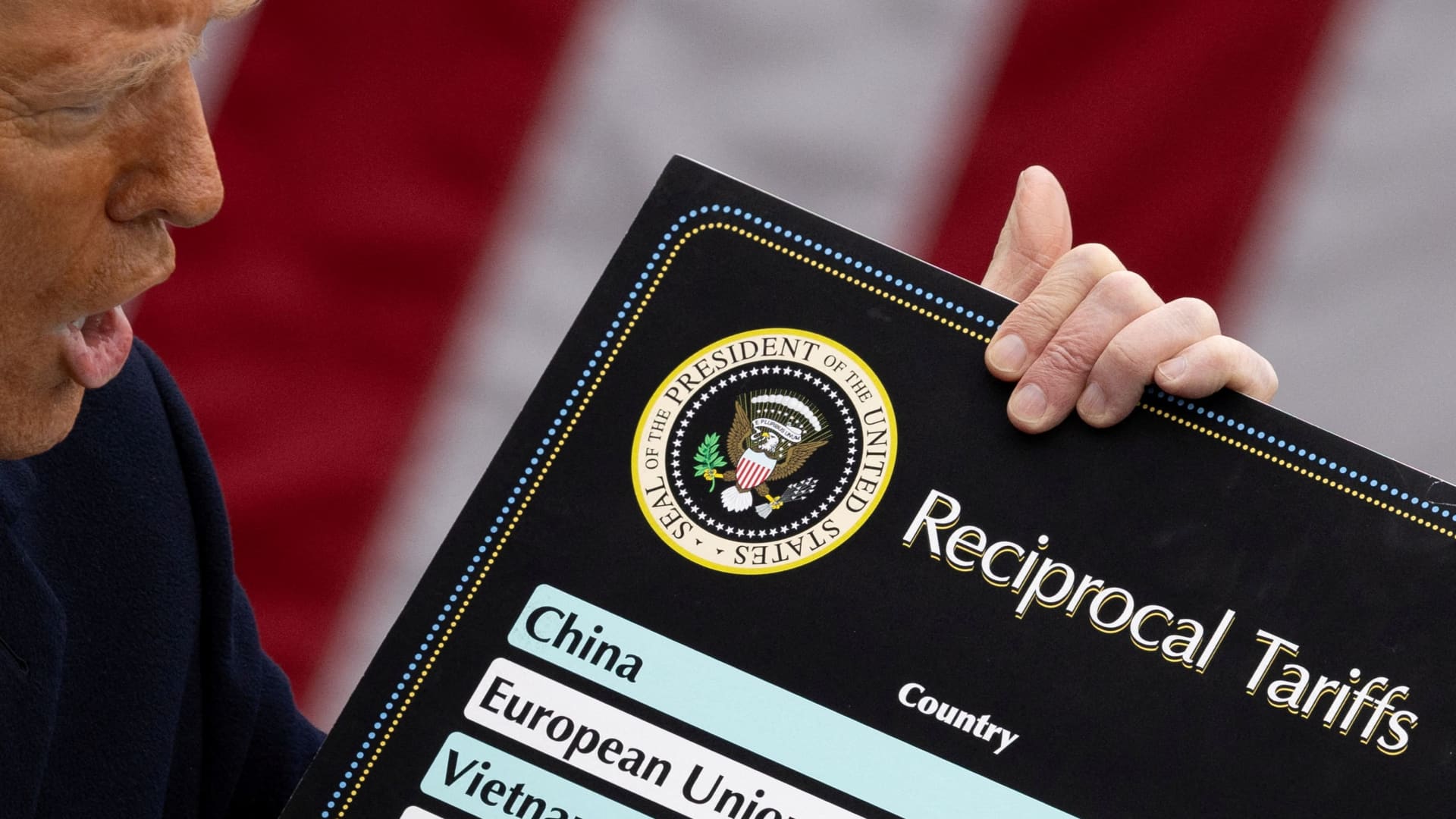
Starting this week, American businesses are beginning the formal process of reclaiming billions of dollars in import taxes following a landmark Supreme Court decision. The court ruled that the tariffs, which were implemented under the International Emergency Economic Powers Act, were unconstitutional because they overstepped executive authority by infringing upon the legislative branch’s exclusive power to establish tax rates.
To facilitate the massive volume of requests, U.S. Customs and Border Protection (CBP) has launched a dedicated online portal. The agency is bracing for an influx of claims from approximately 330,000 affected importers. Officials have outlined a phased approach to the refund process, noting that priority will be given to the most recent payments. Importers are being urged to exercise extreme caution, as the CBP has indicated that even minor documentation errors or formatting discrepancies could result in the total rejection of a claim.
While the federal government works to process these disbursements—estimated to take between 60 and 90 days upon approval—the impact on the average consumer remains a point of contention. Because many businesses previously passed the cost of these tariffs onto shoppers through increased retail prices, the question of whether this relief will reach the public is complex. While some logistics giants like FedEx have expressed an intent to pass refunds down the supply chain, the lack of a direct mechanism for consumer reimbursement means that most shoppers may not see immediate financial relief.
Key Takeaways
- U.S. businesses are now eligible to file for billions in refunds after the Supreme Court declared specific import tariffs unconstitutional.
- The CBP has launched an online portal for claims, but warns that strict documentation standards must be met to avoid rejection.
- While businesses may receive direct refunds, it remains unclear if these savings will be passed on to consumers who paid higher prices during the tariff period.
Editor’s Analysis & Impact
The Supreme Court’s ruling represents a significant check on executive power regarding trade policy and fiscal authority. By invalidating these tariffs, the court has created a massive administrative challenge for the CBP, which must now manage a complex, multi-billion dollar reimbursement cycle. From a market perspective, this influx of capital back into the private sector could provide a welcome liquidity boost for importers who have been operating under strained margins. However, the broader economic implications are nuanced; while businesses gain a windfall, the ‘trickle-down’ effect to consumers is unlikely to be uniform. Future litigation will likely focus on whether companies are legally or ethically obligated to return these funds to the end-users who ultimately bore the cost of the tariffs, setting a precedent for how trade-related windfalls are handled in the future.
Frequently Asked Questions
Q: How long will it take to receive a refund once a claim is submitted?
A: The CBP estimates a turnaround time of 60 to 90 days for the disbursement of funds once a claim has been officially approved.
Q: Will consumers receive direct refunds for the higher prices they paid?
A: There is currently no direct mechanism for consumer reimbursement. While some logistics companies may pass savings down the supply chain, class-action lawsuits are the primary avenue currently being explored to address potential consumer compensation.
AI Disclosure: This article is based on verified data and official reports. Our Team and AI have cross-referenced every financial detail with primary sources to ensure total accuracy.
More from this Category