Beijing Intervenes to Stabilize Solar Sector Amid Global Supply Glut
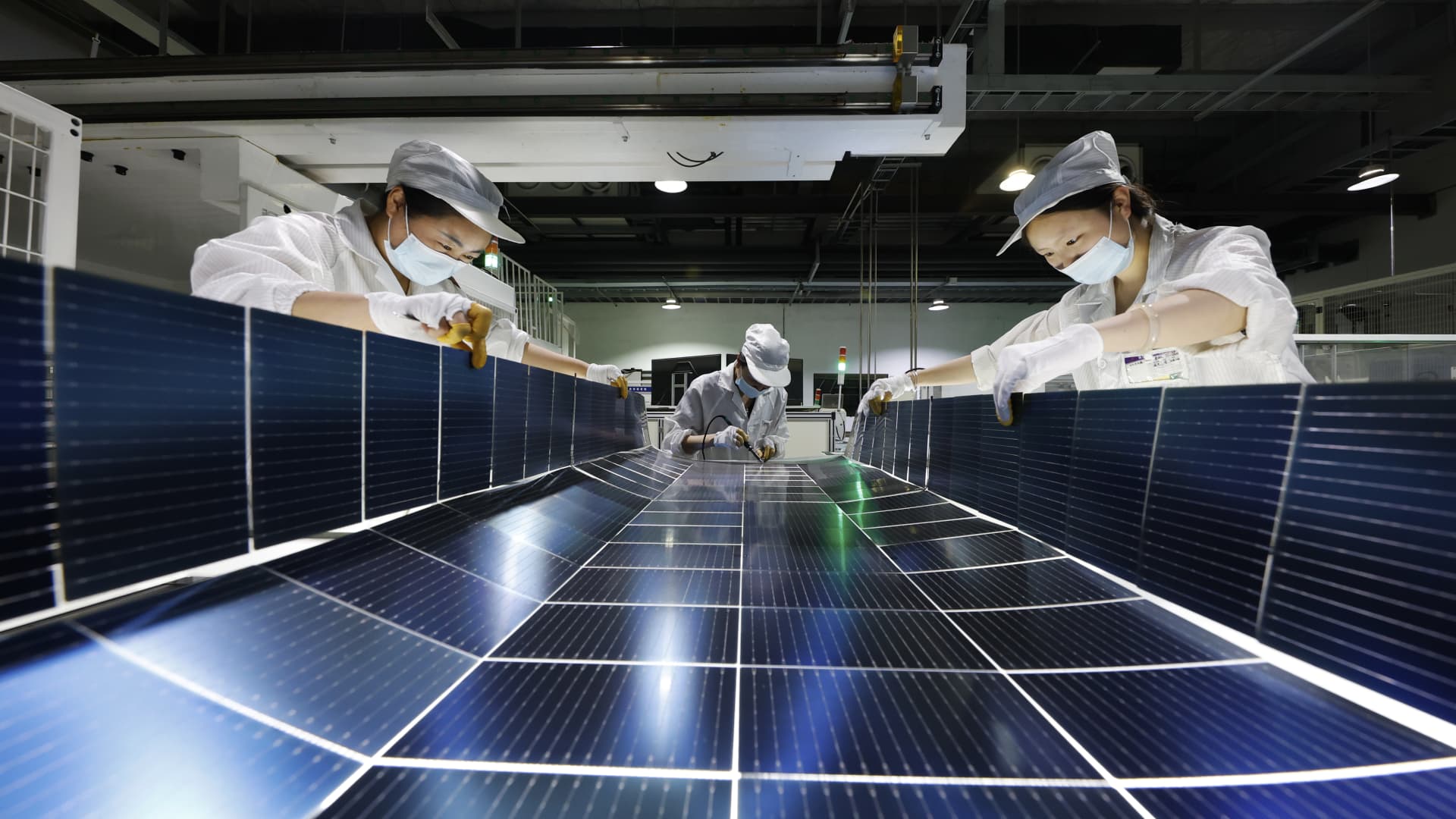
Chinese regulators have initiated a comprehensive strategy to address the severe overcapacity currently plaguing the nation’s solar energy industry. The move seeks to end a period of aggressive domestic competition, often characterized by unsustainable price wars that have driven manufacturing output far beyond global demand. By pivoting toward a model of high-quality growth, the government aims to restore profitability and stability to a sector that has become increasingly volatile.
The new regulatory framework introduces stringent capacity controls and standardized industry guidelines to prevent unchecked expansion. Central to this plan is the implementation of enforced price floors and a push for industry consolidation. By encouraging mergers and acquisitions, authorities hope to streamline the market, reduce the number of inefficient smaller players, and bolster intellectual property protections to foster innovation rather than mere volume production.
This policy shift follows high-level coordination between state agencies and major energy players, including China Huaneng Group and China Datang Corp. The intervention comes at a pivotal moment, as international trade partners in the United States and the European Union continue to impose tariffs and seek supply chain diversification to counter concerns over market dominance. While the long-term global demand for renewable energy remains high, Beijing’s latest mandate signals a definitive move to prioritize the long-term health of its solar manufacturers over the rapid, unsustainable growth seen in previous years.
Key Takeaways
- Beijing is implementing strict capacity controls and price floors to end destructive price wars in the solar manufacturing sector.
- The government is encouraging industry consolidation through mergers and acquisitions to improve market stability and quality.
- The intervention is a strategic response to both domestic market saturation and mounting international pressure regarding trade and supply chain dominance.
Editor’s Analysis & Impact
Beijing’s intervention marks a significant shift from a ‘growth-at-all-costs’ mentality to a more mature, regulated industrial policy. By curbing overcapacity, the government is attempting to protect the financial viability of its solar giants, which have been severely impacted by razor-thin margins. This move is likely to reduce the global flood of cheap solar components, potentially easing trade tensions with the U.S. and EU, though it may also lead to higher global prices in the short term. The broader implication is a transition toward a more consolidated, technology-driven solar market where intellectual property and efficiency take precedence over sheer production volume. If successful, this could set a precedent for how China manages other over-leveraged green technology sectors, ultimately aiming to create a more resilient and sustainable energy supply chain.
Frequently Asked Questions
Q: Why is the Chinese government intervening in the solar market?
A: The government is intervening to address a massive supply glut and end 'involution,' or destructive price wars, which have made the industry unsustainable and volatile.
Q: How will the new regulations affect solar companies?
A: Companies will face stricter capacity controls, enforced price floors, and pressure to consolidate through mergers and acquisitions, shifting the focus from volume to high-quality growth.
AI Disclosure: This article is based on verified data and official reports. Our Team and AI have cross-referenced every financial detail with primary sources to ensure total accuracy.
More from this Category