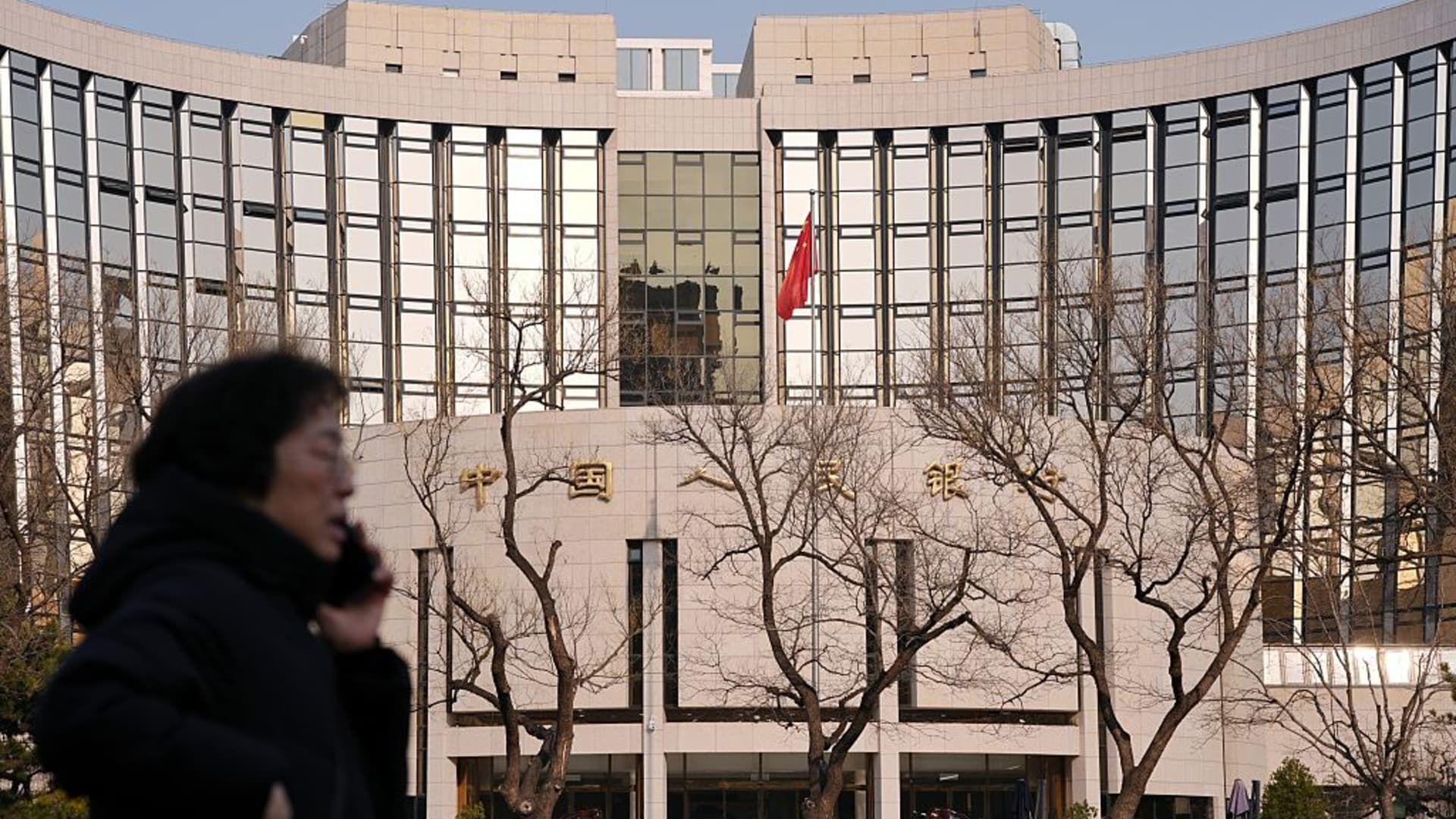
China Maintains Steady Monetary Course as Economic Resilience Grows
The People’s Bank of China has elected to keep its benchmark lending rates unchanged for the 11th month in a row, opting for a measured approach to monetary policy. The one-year loan prime rate is locked at 3.0%, while the five-year rate, a critical benchmark for the housing market, remains at 3.5%. This decision underscores a strategic pause by regulators who are carefully weighing domestic economic performance against a backdrop of shifting global geopolitical dynamics.
Economic indicators from the first quarter of 2026 suggest a period of stability, with the nation reporting a 5% growth rate. This figure aligns with the upper threshold of official government targets, effectively reducing the urgency for immediate, large-scale monetary intervention. Additionally, signs of recovery in factory-gate pricing and a slight rise in consumer inflation indicate that the economy is successfully pivoting away from the persistent deflationary risks that previously hindered growth.
Despite these positive domestic developments, central bank officials are maintaining a posture of cautious vigilance. With ongoing instability in the Middle East and rising energy costs, policymakers are prioritizing currency stability and the strengthening of internal demand. The current strategy suggests that Beijing will continue to favor a moderately loose monetary policy, allowing the government to remain flexible as it navigates potential trade barriers and broader international financial volatility.
Key Takeaways
- The People's Bank of China held benchmark lending rates steady for the 11th consecutive month.
- First-quarter growth reached 5%, hitting the upper end of the government's annual target.
- Policymakers are balancing domestic economic recovery against global geopolitical risks and energy cost fluctuations.
Editor’s Analysis & Impact
The decision to hold rates steady reflects a maturing economic strategy in China, shifting from reactive stimulus to a more sustainable, long-term growth model. By maintaining current rates, the central bank is signaling confidence in the recent 5% growth figures while acknowledging that the global environment remains fragile. The move away from deflationary pressure is a significant milestone, suggesting that previous fiscal measures are finally taking hold. Looking ahead, the primary challenge for Beijing will be managing the delicate balance between supporting domestic consumption and insulating the economy from external shocks, such as trade protectionism and energy price volatility. Investors should expect a ‘wait-and-see’ approach, where monetary policy remains supportive but avoids the volatility of aggressive rate cuts, provided that inflation and growth metrics remain within the current stable range.
Frequently Asked Questions
Q: Why did the People's Bank of China decide not to change interest rates?
A: The bank opted for stability because the economy is currently meeting its growth targets of 5%, and officials are exercising caution due to global geopolitical uncertainties and energy price fluctuations.
Q: What is the significance of the five-year loan prime rate?
A: The five-year rate is a critical benchmark for the Chinese mortgage market, and keeping it steady helps maintain stability in the housing sector.
AI Disclosure: This article is based on verified data and official reports. Our Team and AI have cross-referenced every financial detail with primary sources to ensure total accuracy.
More from this Category