Marvell Gains Ground as Google Expands Custom AI Chip Strategy
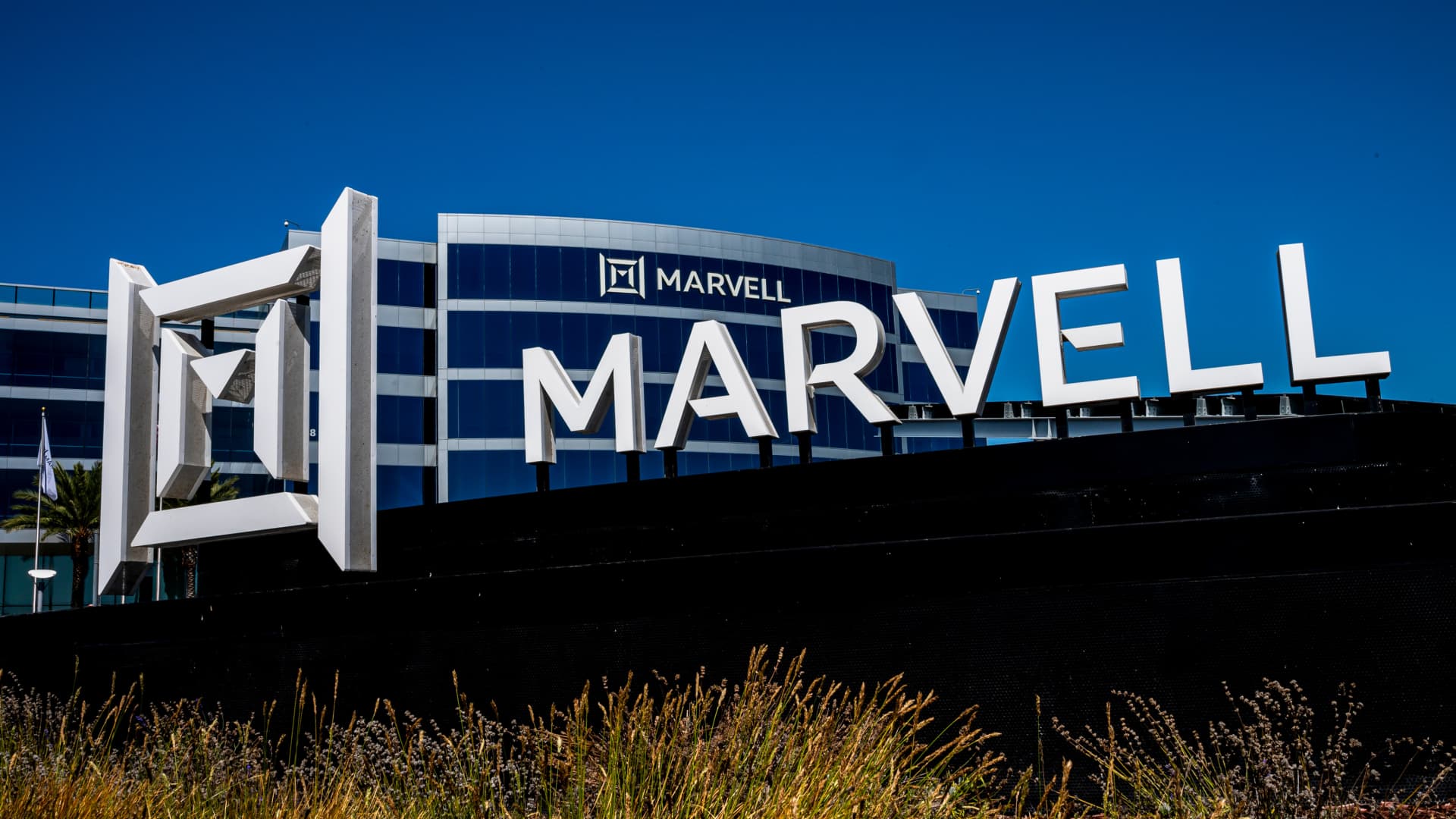
Marvell Technology saw a significant boost in its stock valuation this week following reports of a deepening collaboration with Google. The partnership centers on the development of two new custom artificial intelligence processors, marking a strategic pivot for the search giant. While Google has long utilized Broadcom for the design of its proprietary Tensor Processing Units (TPUs), this new initiative suggests a broader effort to diversify its silicon supply chain to meet the escalating demands of modern AI workloads.
The move reflects a wider industry trend where major technology firms are moving away from a single-vendor dependency. As the competition to power large-scale AI models intensifies, companies like Amazon, Meta, Microsoft, and OpenAI are increasingly investing in bespoke hardware solutions. By integrating Marvell into its development pipeline, Google aims to enhance its computational efficiency and maintain a competitive edge in the rapidly evolving AI infrastructure market.
Marvell’s recent market performance has been further bolstered by strategic capital injections, including a notable $2 billion investment from Nvidia earlier this year. This influx of resources has solidified Marvell’s reputation as a critical player in the design of application-specific integrated circuits. As the industry looks toward upcoming cloud technology conferences, the focus remains on how these custom architectures will challenge the current dominance of standard graphics processing units in the data center space.
Key Takeaways
- Marvell Technology shares rose following reports of a new partnership with Google to develop custom AI processors.
- Google is diversifying its chip supply chain, moving beyond its long-standing reliance on Broadcom for TPU design.
- Major tech firms are increasingly prioritizing in-house and custom silicon to handle the massive computational requirements of AI.
Editor’s Analysis & Impact
The shift toward custom silicon represents a fundamental change in the semiconductor landscape. As AI models grow in complexity, hyperscalers are finding that off-the-shelf solutions are no longer sufficient for their specific power and performance needs. By diversifying partnerships, Google is not only mitigating supply chain risks but also optimizing its infrastructure for specialized AI tasks. This trend poses a long-term challenge to traditional chip manufacturers who have historically enjoyed near-monopolistic relationships with tech giants. For investors, the rise of companies like Marvell as essential design partners signals a move toward a more fragmented but highly specialized hardware ecosystem. The broader implication is that the ‘AI arms race’ is now as much about hardware architecture as it is about software algorithms, with silicon design becoming the primary differentiator for cloud service providers.
Frequently Asked Questions
Q: Why is Google moving away from relying solely on Broadcom for its AI chips?
A: Google is seeking to diversify its supply chain to better manage the massive computational demands of AI and reduce the risks associated with relying on a single hardware partner.
Q: What role does Marvell play in the current AI hardware market?
A: Marvell has established itself as a key partner for hyperscalers by specializing in the design of application-specific integrated circuits, supported by significant industry investments.
AI Disclosure: This article is based on verified data and official reports. Our Team and AI have cross-referenced every financial detail with primary sources to ensure total accuracy.
More from this Category