Global Energy Markets Volatile as Strait of Hormuz Standoff Intensifies
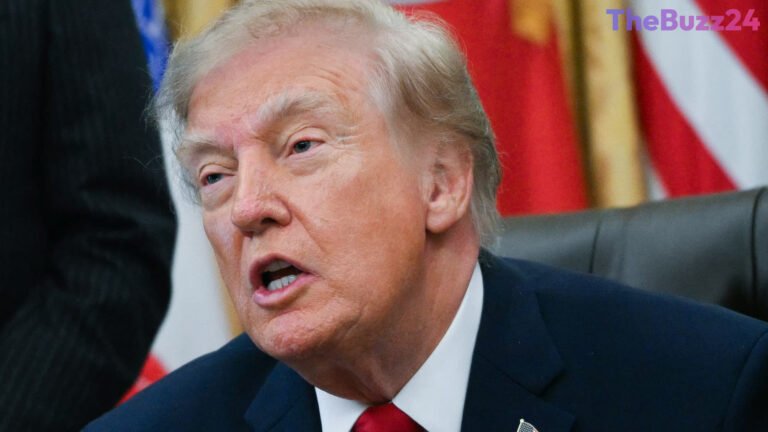
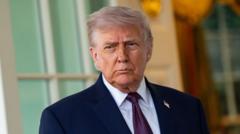
The United States continues to enforce a rigorous blockade on Iranian ports, a policy reaffirmed by President Donald Trump as a necessary measure to compel Tehran toward a formal diplomatic resolution. This maritime strategy, now entering its second week, is intended to apply sustained economic pressure on the Iranian government. The administration asserts that these actions have secured a strategic advantage, though the move has significantly heightened regional tensions.
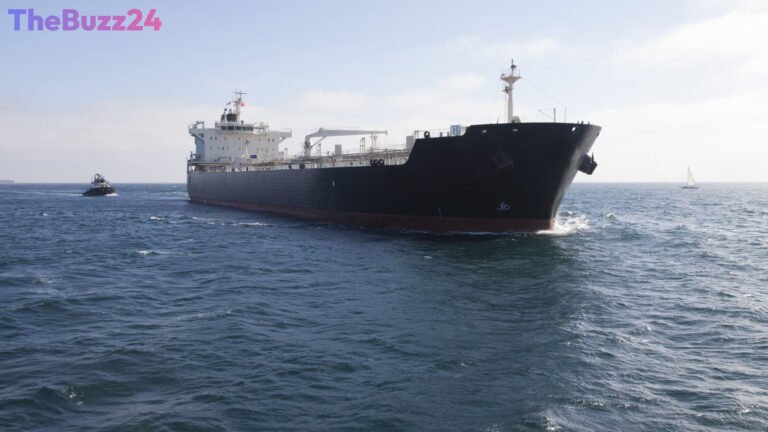
Stability in the region is increasingly fragile as a temporary ceasefire approaches its expiration this Wednesday. The situation deteriorated further following the U.S. interception and seizure of an Iranian-flagged cargo vessel accused of attempting to bypass maritime restrictions. Tehran has characterized the seizure as an act of piracy and a breach of existing ceasefire agreements. In a direct retaliatory move, Iran has effectively closed the Strait of Hormuz, a critical global shipping artery, causing an immediate and sharp increase in international energy prices.
Diplomatic efforts to resolve the impasse remain in flux. While a second round of peace negotiations is being organized in Islamabad, Iranian officials have signaled reluctance, stating there are currently no confirmed plans to attend. A U.S. delegation, which is expected to include Vice President JD Vance, Jared Kushner, and Steve Witkoff, remains prepared for potential talks. Despite the current deadlock, observers suggest that the mounting economic and political pressure may eventually necessitate a return to the negotiating table to prevent a total collapse of diplomatic channels.
Key Takeaways
- The U.S. is maintaining a strict blockade on Iranian ports, aiming to force a diplomatic agreement through economic pressure.
- Iran has retaliated against the seizure of a cargo vessel by closing the Strait of Hormuz, leading to a spike in global energy prices.
- Diplomatic negotiations in Islamabad face uncertainty as Iran has not yet committed to participating in the upcoming talks.
Editor’s Analysis & Impact
The current standoff in the Strait of Hormuz serves as a major catalyst for volatility in global energy markets. As a vital chokepoint for petroleum transit, the closure of the Strait creates immediate supply chain disruptions and inflationary pressures that affect economies worldwide. This crisis underscores the limitations of ‘maximum pressure’ strategies, as the move has triggered a direct, high-stakes confrontation rather than immediate compliance. The future of this conflict hinges on whether back-channel diplomacy can prevail over public posturing. Should the ceasefire lapse without a renewal, the risk of military miscalculation rises, potentially drawing in regional powers and further destabilizing global markets. The international community remains in a precarious position, balancing the urgent need for energy security against the deeply entrenched political objectives of both the U.S. and Iran.
Frequently Asked Questions
Q: Why is the Strait of Hormuz significant to the global economy?
A: The Strait of Hormuz is a critical maritime chokepoint through which a significant portion of the world's daily petroleum supply must pass, making it essential for global energy stability.
Q: What is the current status of the peace talks between the U.S. and Iran?
A: While the U.S. is preparing a delegation for potential negotiations in Islamabad, Iran has not confirmed its participation, leaving the diplomatic path forward uncertain.
AI Disclosure: This article is based on verified data and official reports. Our Team and AI have cross-referenced every financial detail with primary sources to ensure total accuracy.
More from this Category