Rising Geopolitical Tensions Threaten Summer Air Travel Stability
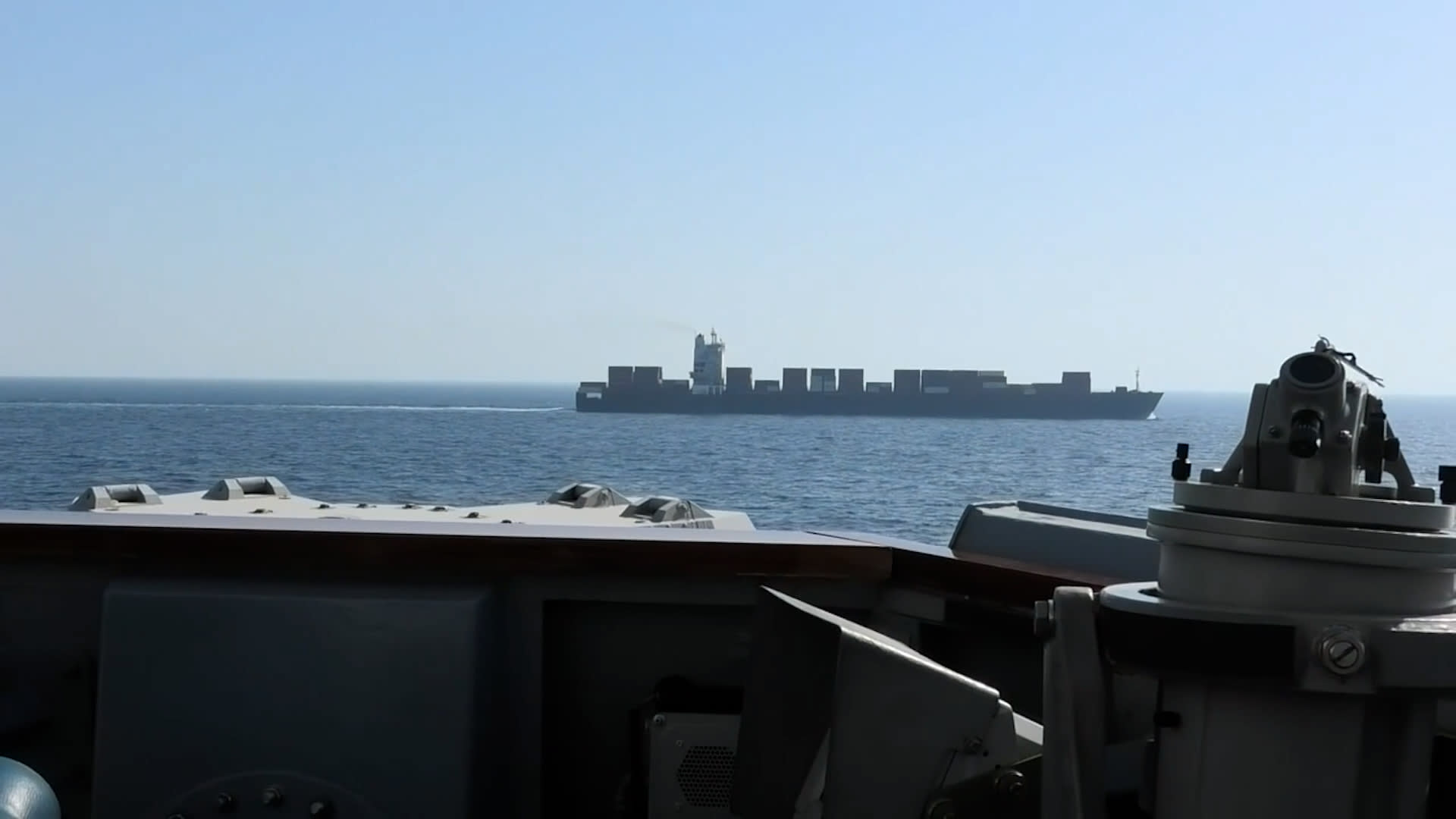
Global air travel is entering a period of heightened uncertainty as geopolitical instability in the Middle East begins to impact the international jet fuel supply chain. Disruptions near the Strait of Hormuz, a vital maritime corridor for global oil transit, have sparked concerns regarding potential fuel shortages across Europe and Asia. Although domestic production provides the United States with a degree of insulation, the interconnected nature of the aviation industry suggests that rising fuel costs and supply constraints will inevitably influence flight operations on a global scale.
In anticipation of these challenges, major international carriers, including Lufthansa, Cathay Pacific, and KLM, have initiated preemptive adjustments to their flight schedules. While current modifications remain relatively minor, industry experts warn that further capacity reductions could be necessary as the peak summer travel season nears. Should the conflict persist, airlines may be forced to pass increased operating costs onto consumers through higher ticket prices, the reintroduction of fuel surcharges, or the cancellation of less profitable routes.
For those planning summer travel, experts emphasize the importance of proactive preparation and awareness of passenger rights. Travelers are encouraged to keep their contact information updated within airline systems to ensure they receive timely notifications regarding itinerary changes. In the event of significant delays or cancellations, passengers are entitled to specific protections, including the right to cash refunds for canceled flights, regardless of ticket type, if they choose not to accept an alternative rebooking option provided by the carrier.
To mitigate the impact of potential disruptions, travelers are advised to prioritize nonstop flights to minimize the risk of missed connections. Furthermore, securing comprehensive travel insurance or utilizing credit cards with trip interruption benefits can offer a necessary financial buffer. While the current situation has not reached a critical breaking point, the combination of fuel market volatility and regional instability underscores the need for travelers to maintain flexibility and stay informed throughout the upcoming months.
Key Takeaways
- Geopolitical tensions in the Middle East are threatening global jet fuel supplies, potentially leading to increased airfares and flight schedule adjustments.
- Major international airlines are already making minor route adjustments, with the possibility of further capacity cuts during the peak summer season.
- Travelers are advised to book nonstop flights, verify their contact details with airlines, and consider travel insurance to protect against unexpected disruptions.
Editor’s Analysis & Impact
The current volatility in the aviation sector highlights the extreme sensitivity of global travel to energy market fluctuations. As airlines operate on thin margins, any sustained increase in fuel costs is almost immediately reflected in ticket pricing, which could dampen consumer demand during the critical summer travel window. The broader implication is a shift toward more conservative capacity planning, where airlines prioritize high-yield routes to offset rising operational expenses. Looking ahead, the industry may see a long-term trend toward fuel hedging and increased pressure to diversify energy sources for aviation. For the consumer, this environment necessitates a more cautious approach to travel planning, where the cost of flexibility—such as insurance and refundable fares—becomes a standard component of the total trip budget rather than an optional add-on.
Frequently Asked Questions
Q: Am I entitled to a refund if my flight is canceled due to fuel or operational issues?
A: Yes, under federal guidelines, passengers are generally entitled to a full cash refund for a canceled flight if they choose not to accept an alternative flight offered by the airline, even if the original ticket was non-refundable.
Q: How can I protect my travel plans from potential disruptions this summer?
A: Experts recommend booking nonstop flights to reduce connection risks, keeping your contact information updated with the airline, and purchasing travel insurance or using credit cards that provide trip interruption coverage.
AI Disclosure: This article is based on verified data and official reports. Our Team and AI have cross-referenced every financial detail with primary sources to ensure total accuracy.
More from this Category