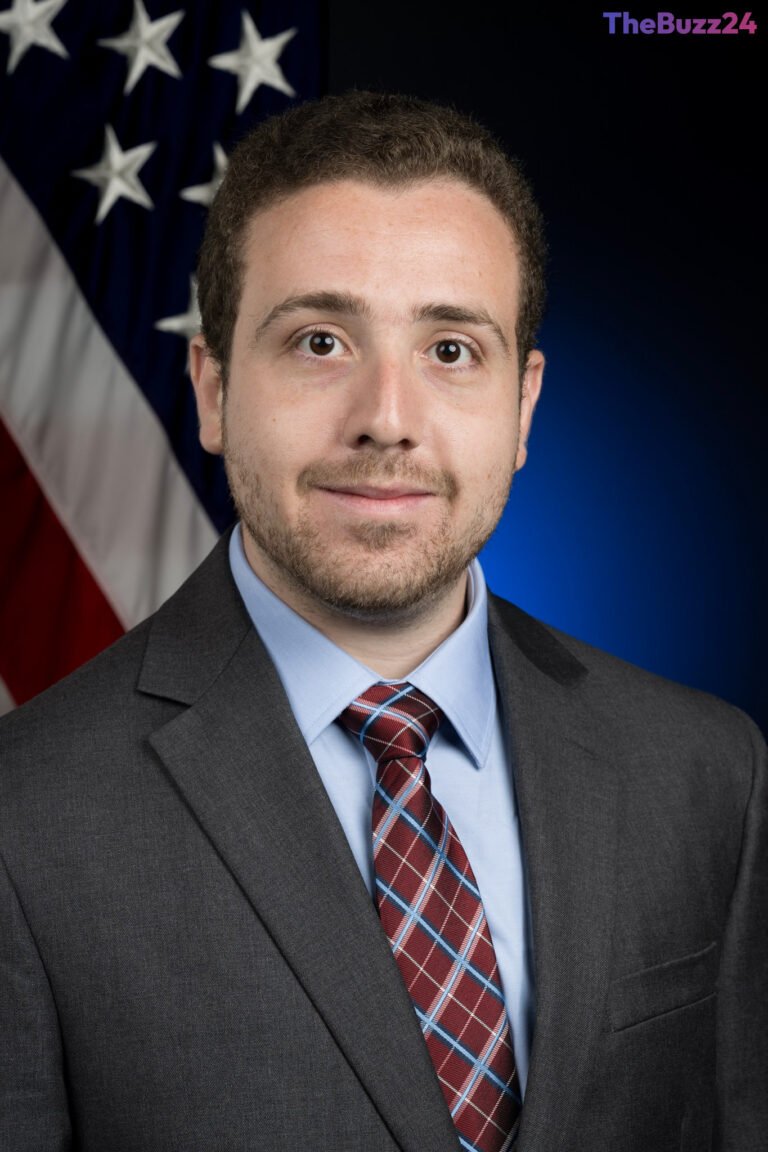
Journalist Ahmed Shihab-Eldin Cleared of All Charges After Kuwait Detention
Journalist Ahmed Shihab-Eldin has been fully acquitted of all charges following a 52-day detention in Kuwait. The American-Kuwaiti reporter had been facing serious allegations, including the dissemination of false information, endangering national security, and the misuse of telecommunications devices. These charges were linked to social media posts he shared while visiting family in the country earlier this year.
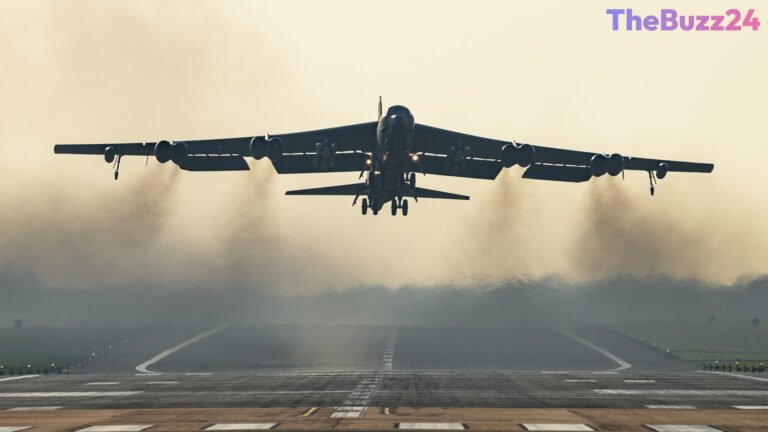
The legal proceedings centered on content Shihab-Eldin posted to his Substack account on March 2, which included footage of a U.S. F-15 fighter jet crash. The posts alleged that the aircraft was among three mistakenly downed by Kuwaiti air defenses, and included images purportedly showing an American pilot who had ejected in the al-Jahra region. These posts were made during a period of heightened geopolitical sensitivity regarding regional conflicts involving the U.S., Israel, and Iran. Shihab-Eldin was taken into custody the day after the content was published.
Following the verdict, his international legal team expressed relief, confirming his innocence and the end of his detention. The case has drawn significant attention to the tightening of digital speech laws within Gulf Arab states. Kuwaiti authorities have recently intensified their oversight of social media, with the government issuing stern warnings against sharing unverified military-related content. Furthermore, a recent decree by the Kuwaiti emir has established severe penalties, including up to 10 years in prison, for those convicted of spreading rumors intended to undermine confidence in the nation’s military.
Key Takeaways
- Ahmed Shihab-Eldin was acquitted of all charges after spending 52 days in detention in Kuwait.
- The charges stemmed from social media posts regarding a U.S. fighter jet crash during a period of regional instability.
- Kuwait has recently enacted stricter laws, including potential 10-year prison sentences, for spreading rumors about military entities.
Editor’s Analysis & Impact
The acquittal of Ahmed Shihab-Eldin highlights the precarious environment for journalists and digital content creators operating within the Gulf region. As states like Kuwait modernize their legal frameworks to address ‘fake news’ and national security, the threshold for what constitutes a criminal offense has become increasingly blurred. This case serves as a bellwether for the broader trend of Gulf nations tightening control over digital discourse, particularly regarding military and geopolitical matters. The imposition of decade-long prison sentences for spreading rumors signals a shift toward a more restrictive information landscape. Moving forward, international observers will likely monitor how these laws are applied, as they pose significant risks to press freedom and the ability of independent journalists to report on sensitive regional developments without fear of state retribution.
Frequently Asked Questions
Q: Why was Ahmed Shihab-Eldin initially detained?
A: He was detained for allegedly spreading false information and harming national security after posting videos and images of a U.S. fighter jet crash on his social media.
Q: What are the potential penalties for spreading rumors about the military in Kuwait?
A: Under a recent decree by the emir, individuals found guilty of disseminating false rumors about military entities with the intent to undermine confidence can face up to 10 years in prison.
AI Disclosure: This article is based on verified data and official reports. Our Team and AI have cross-referenced every financial detail with primary sources to ensure total accuracy.
More from this Category