Life in Tehran: Navigating Economic Hardship and Political Uncertainty
In the bustling streets of Tehran, the facade of daily life persists even as the city grapples with severe economic instability and the persistent threat of regional conflict. Small business owners, such as those operating long-standing family shops, report a significant decline in foot traffic and sales, reflecting a broader trend of financial distress that has left many residents struggling to maintain their livelihoods. The atmosphere is one of quiet resilience, where the simple act of keeping a business open serves as a testament to the endurance of the local population.
The economic crisis has been exacerbated by widespread internet restrictions, which have hampered the productivity of millions who rely on digital tools for their professional work. Government officials have acknowledged the necessity of connectivity for the middle and lower-income classes, yet the digital divide remains a significant barrier to economic recovery. Simultaneously, the cost of basic necessities, including food staples, has surged, deepening the divide between the wealthy and the working class and placing immense pressure on household budgets.
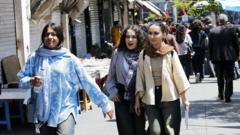
Socially and politically, Tehran remains a city of contradictions. While security measures have become more visible, there is a subtle, ongoing shift in social norms, particularly regarding dress codes, which reflects the enduring influence of past civil movements. Public opinion remains fractured; some residents express a desperate hope that conflict might eventually catalyze economic change, while others prioritize the need for personal freedom and long-term stability. Despite these deep-seated tensions, the city’s youth continue to foster a vibrant social culture, signaling a collective, albeit complex, yearning for a more secure and predictable future.
Key Takeaways
- Tehran residents are facing severe economic strain, characterized by rising costs of living and a significant loss of livelihoods.
- Internet restrictions have crippled the professional activities of millions, prompting internal government debate over the necessity of digital access.
- Despite political and economic pressures, there is a persistent, quiet shift in social norms and a collective desire for stability among the city's diverse population.
Editor’s Analysis & Impact
The situation in Tehran highlights the fragility of an economy caught between international isolation, internal policy restrictions, and the looming shadow of regional conflict. The reliance on digital infrastructure for modern economic survival makes the government’s internet policies a critical bottleneck for growth. From an industry perspective, the erosion of the middle class and the rising cost of basic goods suggest a long-term contraction in consumer spending power, which will likely stifle local entrepreneurship. The broader implication is a populace increasingly disillusioned with the status quo, creating a volatile environment where social norms are being quietly renegotiated. Future stability will depend heavily on the government’s ability to balance security concerns with the urgent need for economic liberalization and the restoration of digital connectivity, both of which are essential for preventing further social fragmentation.
Frequently Asked Questions
Q: How are internet restrictions affecting the economy in Tehran?
A: Internet restrictions have severely impacted millions of professionals, including teachers and architects, who rely on digital tools for their work, effectively hindering productivity and economic participation.
Q: What is the current state of social norms in Tehran?
A: There is a subtle but noticeable shift in social norms, particularly regarding traditional dress codes, which many residents are increasingly choosing not to fully comply with as a form of quiet expression.
AI Disclosure: This article is based on verified data and official reports. Our Team and AI have cross-referenced every financial detail with primary sources to ensure total accuracy.
More from this Category