Stellar Discovery: Young Sun-Like Stars May Be More Hospitable to Life Than Previously Thought
Recent observations conducted via the Chandra X-ray Observatory have unveiled a surprising trend in the evolution of young, Sun-like stars. Contrary to long-standing astronomical models, these stars appear to experience a significantly faster decline in X-ray emissions during their early developmental stages. By analyzing eight distinct star clusters with ages spanning from 45 million to 750 million years, researchers found that these stellar bodies produce only 25% to 33% of the X-ray intensity that previous simulations had projected.
This rapid reduction in high-energy radiation has profound implications for the search for extraterrestrial life. Intense X-ray output is typically viewed as a hostile force capable of stripping away planetary atmospheres and compromising the integrity of complex biological molecules. With these younger stars proving to be much ‘quieter’ than anticipated, the environments surrounding their orbiting planets may be far more stable and conducive to the emergence of life than scientists previously assumed.
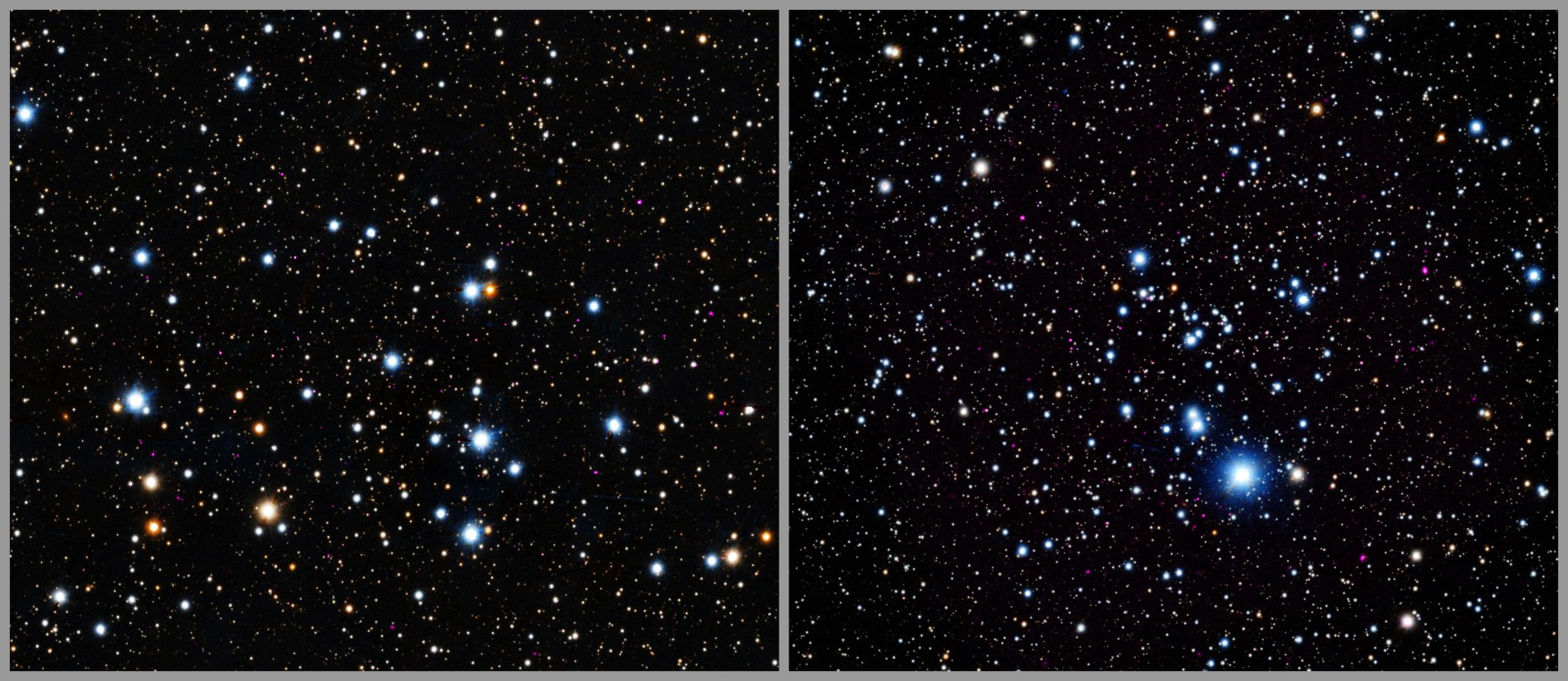
The study, which examined specific clusters including Trumpler 3 and NGC 2353, offers a refined framework for understanding the life cycles of stars similar to our own. By correcting these early-stage evolution models, the scientific community can now more accurately assess the habitability of distant planetary systems. This shift in understanding marks a critical advancement in astrobiology, potentially expanding the list of solar systems where life could realistically take hold.
Key Takeaways
- Young Sun-like stars emit significantly less X-ray radiation than previous models predicted.
- Lower X-ray levels suggest that young planetary systems are less likely to have their atmospheres stripped away.
- The findings provide a new, more optimistic framework for identifying potentially habitable exoplanets.
Editor’s Analysis & Impact
This discovery represents a paradigm shift in astrobiology and the modeling of planetary habitability. For decades, the ‘X-ray barrier’ was a primary factor in discounting the potential for life around young stars, as high-energy radiation was thought to be a sterilizing force. By demonstrating that these stars quiet down much faster than expected, the research effectively widens the ‘habitable window’ for emerging life. From an industry perspective, this data will likely influence the target selection for next-generation space telescopes and deep-space observation missions. If young stars are inherently less volatile, the probability of finding life-sustaining conditions in younger solar systems increases, forcing a re-evaluation of how we prioritize exoplanet research and the timeline of biological development in the universe.
Frequently Asked Questions
Q: Why is X-ray radiation considered a threat to life on planets?
A: High-intensity X-ray radiation can strip away a planet's atmosphere and damage the chemical bonds of biological molecules, making it difficult for life to form or survive.
Q: How does this discovery change our search for life in the universe?
A: It suggests that planets orbiting younger stars may be safer environments than we previously thought, meaning we may need to broaden our search to include younger solar systems that were previously considered too volatile.
AI Disclosure: This article is based on verified data and official reports. Our Team and AI have cross-referenced every financial detail with primary sources to ensure total accuracy.
More from this Category