Special Forces Sergeant Charged in $400K Insider Trading Scheme Linked to Venezuelan Operation
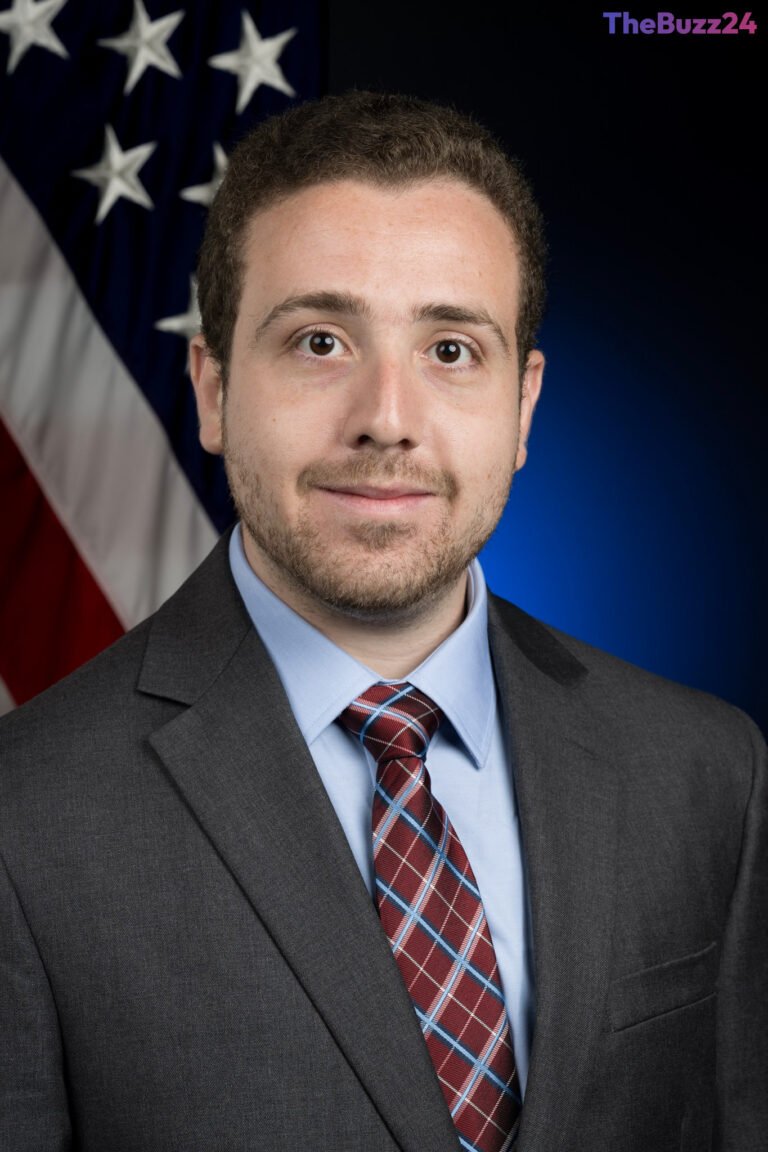
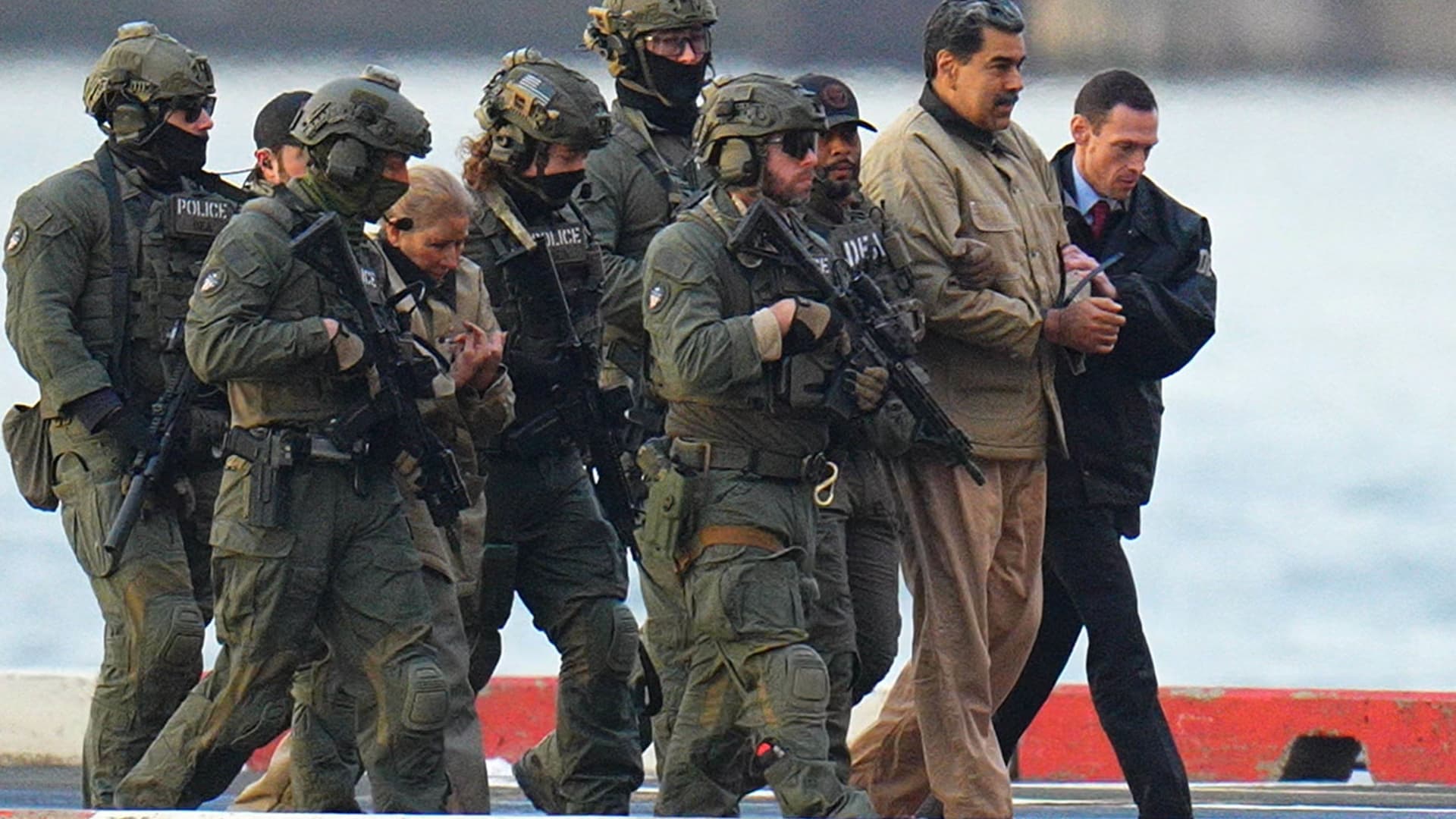
A U.S. Army Special Forces master sergeant is facing serious federal charges after allegedly using classified intelligence to profit from a prediction market. Gannon Ken Van Dyke was taken into custody following accusations that he leveraged his involvement in the planning of Operation Absolute Resolve—a covert mission that led to the capture of Venezuelan President Nicolás Maduro and his wife, Cilia Flores—to place high-stakes wagers on the outcome.
According to court filings, Van Dyke opened an account on the prediction platform Polymarket in late December. He reportedly invested $33,000 in contracts predicting U.S. military intervention in Venezuela and the subsequent removal of the Maduro regime. Following the successful execution of the operation in early January, the sergeant’s bets resulted in a payout of approximately $410,000. Prosecutors allege that Van Dyke attempted to obscure the origin of these funds by moving them through an overseas cryptocurrency wallet before depositing them into a traditional brokerage account.
Federal authorities have charged Van Dyke with wire fraud, unlawful monetary transactions, and multiple violations of the Commodity Exchange Act. If convicted on the most severe charges, he could face up to 20 years in federal prison. In addition to the criminal case, the Commodity Futures Trading Commission has launched civil proceedings against him for trading on non-public, classified information. Polymarket confirmed that it flagged the suspicious activity and referred the case to the Department of Justice, highlighting the growing scrutiny surrounding the use of insider information on decentralized prediction platforms.
Key Takeaways
- U.S. Army Master Sergeant Gannon Ken Van Dyke is charged with insider trading for betting on a covert military operation he helped plan.
- The defendant allegedly turned a $33,000 investment into $410,000 by wagering on the capture of Venezuelan President Nicolás Maduro.
- Van Dyke faces multiple federal charges, including wire fraud and violations of the Commodity Exchange Act, carrying a potential 20-year prison sentence.
Editor’s Analysis & Impact
This case represents a significant intersection of national security, digital finance, and regulatory oversight. As prediction markets like Polymarket gain mainstream traction, they are increasingly becoming targets for individuals seeking to exploit non-public information for illicit financial gain. The prosecution of Van Dyke serves as a warning that federal agencies are actively monitoring these platforms for signs of market manipulation and insider trading. For the broader industry, this incident will likely trigger a wave of stricter ‘Know Your Customer’ (KYC) requirements and enhanced surveillance protocols. Future regulatory frameworks will likely focus on closing the gap between decentralized betting platforms and traditional financial oversight, as authorities seek to ensure that sensitive government intelligence cannot be weaponized for personal profit in the burgeoning prediction market economy.
Frequently Asked Questions
Q: What specific charges is the sergeant facing?
A: Van Dyke is charged with wire fraud, unlawful monetary transactions, and three counts related to violations of the Commodity Exchange Act.
Q: How did the defendant attempt to hide his profits?
A: Prosecutors allege that Van Dyke transferred the $410,000 in winnings to an overseas cryptocurrency wallet before moving the funds into a standard online brokerage account.
AI Disclosure: This article is based on verified data and official reports. Our Team and AI have cross-referenced every financial detail with primary sources to ensure total accuracy.
More from this Category