AI-Generated Hoax Disrupts Major Search for Escaped Zoo Wolf
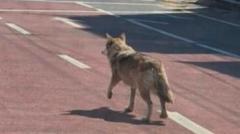
A 40-year-old man in South Korea is facing legal consequences after allegedly using artificial intelligence to create a fake image of an escaped wolf, significantly disrupting a high-stakes search operation. The incident began when a two-year-old wolf named Neukgu fled from the O-World zoo in Daejeon, triggering a massive nine-day search that drew national attention. The suspect’s fabricated image, which falsely depicted the animal roaming near a city intersection, misled local authorities and caused them to divert critical emergency resources to an incorrect location.
The deception had immediate real-world impacts, as the Daejeon city government issued emergency alerts to residents based on the fraudulent photograph. Officials even presented the AI-generated image during a public briefing, believing it to be genuine evidence. Police eventually tracked the suspect by analyzing security footage and monitoring his use of AI software. When confronted, the individual reportedly claimed he created the image ‘for fun,’ failing to account for the severity of the disruption caused to public safety efforts.
Under South Korean law, the man is now under investigation for the obstruction of government operations through deception. If convicted, he faces potential penalties of up to five years in prison or a fine of 10 million Korean won. The incident serves as a stark reminder of the growing challenges posed by AI-generated misinformation, particularly during emergency situations where time and accuracy are of the essence.
Following the ordeal, Neukgu was safely recovered near an expressway. The wolf, which is part of a conservation program aimed at restoring the species to the Korean Peninsula, has since become a local celebrity. While the zoo has requested privacy for the animal’s recovery, the city is currently exploring the possibility of designating the wolf as an official mascot, marking a strange conclusion to a saga that captivated the nation.
Key Takeaways
- A South Korean man is under investigation for obstructing government operations after creating a fake AI image of an escaped wolf.
- The fabricated image caused authorities to divert emergency resources and issue false public alerts during a nine-day search.
- The suspect faces up to five years in prison or a 10 million won fine for the deception.
Editor’s Analysis & Impact
This incident highlights the increasing intersection of generative AI and public safety. As AI tools become more accessible, the potential for ‘deepfake’ misinformation to interfere with government operations and emergency response protocols grows significantly. This case serves as a cautionary tale for law enforcement and municipal agencies, who must now develop more rigorous verification processes for digital evidence provided by the public during crises. The legal repercussions faced by the suspect signal that authorities are taking the weaponization of AI seriously, likely setting a precedent for how similar cases of digital obstruction will be prosecuted in the future. As society grapples with the ‘post-truth’ era, the need for robust AI detection tools and public awareness regarding digital literacy has never been more critical.
Frequently Asked Questions
Q: What are the potential legal penalties for the suspect?
A: The suspect faces up to five years in prison or a fine of 10 million Korean won for the obstruction of government operations.
Q: Was the wolf eventually found?
A: Yes, the wolf, named Neukgu, was safely recovered near an expressway following the nine-day search.
AI Disclosure: This article is based on verified data and official reports. Our Team and AI have cross-referenced every financial detail with primary sources to ensure total accuracy.
More from this Category