Beyond the Shadows: Families of Scientists Fight Back Against Online Conspiracy Theories
Families of prominent researchers and professionals are coming forward to challenge a surge of unfounded conspiracy theories circulating online. These digital narratives often attempt to link the deaths or disappearances of high-profile individuals to secret plots or extraterrestrial activity. However, those closest to the deceased describe these claims as baseless, painful, and a direct insult to the memory of their loved ones.
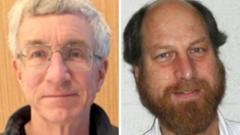
One prominent case involves Carl Grillmair, a distinguished astronomer at the California Institute of Technology. Following his death at his residence in February, online speculation suggested a connection to his scientific research. His widow, Louise Grillmair, has clarified that the tragedy was a localized criminal act, noting that a suspect has already been charged with murder and burglary. She maintains that the motive was personal revenge rather than any professional conspiracy.
Similarly, the family of retired Air Force General William Neil McCasland has addressed misinformation regarding his disappearance. While internet theorists have suggested involvement with state secrets, the family indicates that his situation is likely tied to personal health struggles. Statistical experts have noted that mortality rates among individuals holding high-level security clearances remain within normal expected ranges, contradicting the idea of a targeted pattern.
The families are collectively urging the public to cease invasive speculation. They argue that these theories strip away the human dignity of the deceased and replace real, often tragic, circumstances with sensationalist fiction. By emphasizing the actual causes of death—ranging from health issues to isolated crimes—they hope to bring peace to their grieving processes.
Key Takeaways
- Families of scientists are actively debunking online conspiracy theories regarding the deaths of their loved ones.
- Tragedies like the murder of astronomer Carl Grillmair are being mischaracterized as part of larger, sinister plots.
- Experts confirm that mortality rates among high-clearance professionals are statistically normal.
Editor’s Analysis & Impact
The rise of ‘digital sleuthing’ and conspiracy-driven social media narratives presents a growing challenge for the families of public figures. As information spreads rapidly through unverified channels, the line between investigative curiosity and malicious harassment becomes increasingly blurred. This phenomenon not only causes profound emotional distress to grieving families but also erodes public trust in factual reporting. From an industry perspective, this highlights the need for better digital literacy and more robust moderation on social platforms to prevent the weaponization of tragedy. As these narratives continue to evolve, the tension between the human right to privacy in grief and the internet’s appetite for sensationalism will likely become a significant societal issue.
Frequently Asked Questions
Q: Why are these conspiracy theories gaining traction?
A: Social media algorithms often prioritize sensationalist and mysterious content, which can cause unfounded theories to spread faster than factual, mundane explanations.
Q: Are deaths among high-security professionals higher than average?
A: No, statisticians have indicated that mortality rates for individuals with high-level security clearances are within the expected statistical range.
AI Disclosure: This article is based on verified data and official reports. Our Team and AI have cross-referenced every financial detail with primary sources to ensure total accuracy.
More from this Category