Redefining Success: Why Modern Families Are Trading the American Dream for Shenzhen
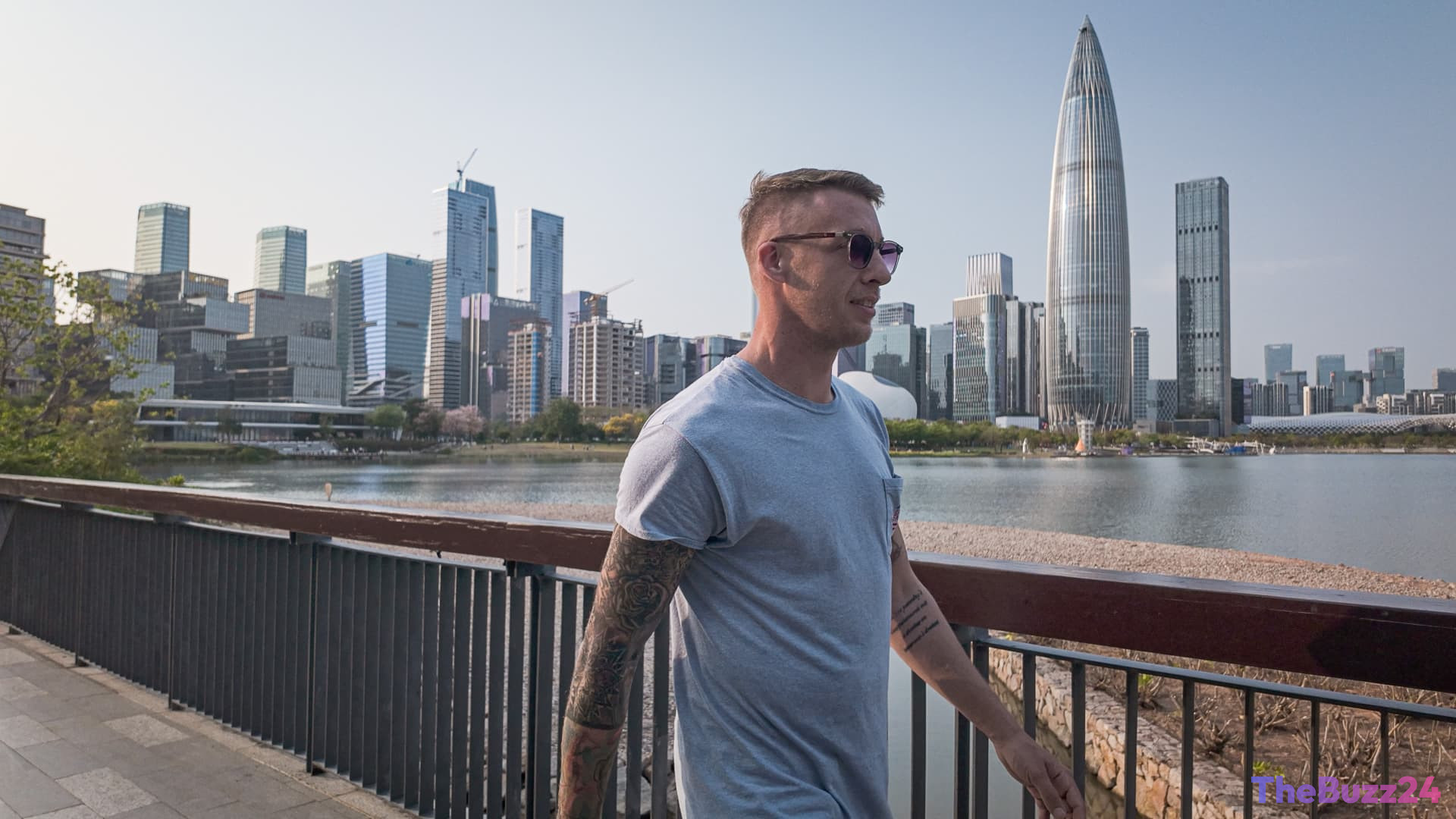
The traditional pursuit of the American Dream is undergoing a radical transformation as some professionals look beyond domestic borders to secure their family’s future. Bradley Krae, a 36-year-old marketing professional, serves as a prime example of this shift. After moving to China in 2016 for a teaching role, Krae found that the lifestyle in Shenzhen offered a level of stability, safety, and financial freedom that had become increasingly difficult to attain in the United States.
For the Krae family, the economic advantages of living in Shenzhen are profound. By relocating, they have secured a modern three-bedroom apartment for roughly $1,000 a month, while household grocery costs remain remarkably low at approximately $100 monthly. This financial cushion is bolstered by the city’s advanced infrastructure, which features autonomous transportation and highly efficient public transit, creating an environment that many residents describe as living in the future.
Beyond the fiscal benefits, the quality of life in Shenzhen has become a major draw for expatriate families. The city prioritizes public space, offering over 1,000 parks and a robust education system that allows children to become trilingual without the burden of exorbitant private school tuition. Krae emphasizes that the sense of community and personal safety in the city provides a stark contrast to the anxieties often associated with raising children in the U.S., allowing for a more relaxed and family-oriented lifestyle.
Krae’s transition from a transient worker to a permanent resident highlights a growing trend among professionals who are prioritizing convenience and long-term stability over traditional geographic expectations. By leveraging professional flexibility in marketing and content creation, he has successfully built a life that balances career ambitions with a high standard of living, proving that the modern dream is increasingly defined by global mobility.
Key Takeaways
- Expatriate families are finding significant cost-of-living advantages in Shenzhen, including affordable housing and low grocery expenses.
- The city's high-tech infrastructure and abundance of public parks are major factors in attracting and retaining international residents.
- Modern professionals are increasingly prioritizing global mobility to achieve a better work-life balance and educational opportunities for their children.
Editor’s Analysis & Impact
The migration of professionals like Bradley Krae to major Chinese tech hubs like Shenzhen reflects a broader shift in the global labor market. As remote work and digital-first careers become the norm, the ‘geographic tether’ to one’s home country is weakening. Shenzhen, often dubbed the ‘Silicon Valley of Hardware,’ offers a unique value proposition: a blend of hyper-modern infrastructure and a lower cost of living that is becoming increasingly rare in major Western metropolitan areas. This trend suggests that as global connectivity improves, we may see a rise in ‘lifestyle migration,’ where families move not just for corporate assignments, but for systemic improvements in their daily quality of life. The long-term implication is a more fluid global talent pool that prioritizes economic efficiency and safety over historical residency patterns.
Frequently Asked Questions
Q: Why is Shenzhen considered an attractive destination for families?
A: Shenzhen is highly regarded for its safety, extensive public park system, and a public education system that facilitates trilingual development at a low cost.
Q: How does the cost of living in Shenzhen compare to the U.S. for expatriates?
A: Expatriates often report significantly lower expenses for housing and groceries, allowing for a higher standard of living and more financial flexibility compared to many U.S. cities.
AI Disclosure: This article is based on verified data and official reports. Our Team and AI have cross-referenced every financial detail with primary sources to ensure total accuracy.
More from this Category