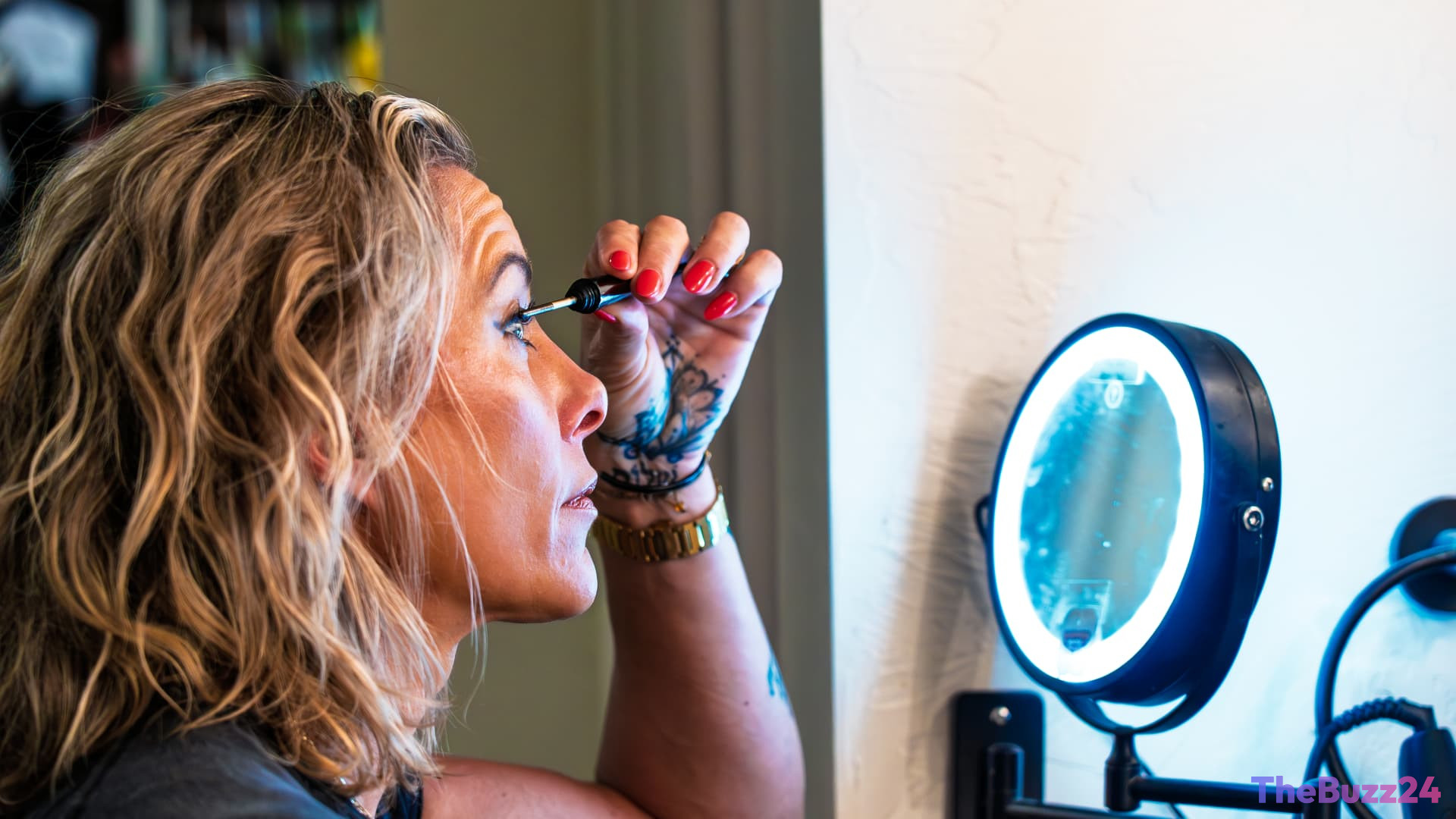
The Silent Powerhouse: How Generation X is Redefining the Global Beauty Market
While social media often highlights the fleeting trends of younger demographics, a more stable and significant economic force is emerging within the beauty sector: Generation X. Born between 1965 and 1980, this cohort is entering a period of peak financial influence, with projections suggesting they will lead global consumer spending through 2033. Currently accounting for a substantial portion of beauty expenditures, Gen X is proving to be a cornerstone for brands seeking sustainable, long-term growth.
Data indicates that Gen X households are responsible for nearly 44% of total beauty spending, with a clear preference for high-performance skincare, anti-aging solutions, and longevity-focused products. Unlike younger consumers who may be swayed by viral social media moments, Gen X shoppers are characterized by their demand for ingredient transparency, proven efficacy, and deep brand loyalty. This shift in consumer behavior has forced major industry players, including Sephora, Ulta, and Bluemercury, to recalibrate their marketing strategies to better serve the specific needs of this demographic, such as menopause-related skin health and holistic wellness.
Beyond product formulation, the retail experience plays a crucial role in capturing this market. Having matured alongside the era of personalized department store service, Gen X consumers value expert guidance and educational engagement. Retailers that can successfully integrate advanced wellness technology with high-touch, knowledgeable customer service are positioned to gain a competitive edge. As this ‘sandwich generation’ balances the responsibilities of caring for both children and aging parents, their investment in self-care and products that offer tangible, long-term benefits is set to drive the industry forward for years to come.
Key Takeaways
- Generation X is projected to remain a dominant force in global beauty spending through 2033.
- Consumer interest is shifting heavily toward skincare, anti-aging, and menopause-related wellness.
- Gen X prioritizes ingredient efficacy and expert-led customer service over viral social media trends.
Editor’s Analysis & Impact
The shift in the beauty industry toward Generation X represents a significant pivot from a ‘trend-chasing’ economy to a ‘results-driven’ economy. As this demographic holds substantial purchasing power, brands can no longer rely solely on viral marketing to drive sales. Instead, long-term profitability will depend on scientific credibility, ingredient transparency, and high-quality customer service. The focus on menopause and longevity-based skincare suggests a maturing market that values wellness over superficial aesthetics. For retailers like Sephora and Ulta, the challenge lies in balancing digital convenience with the personalized, expert-led service that Gen X expects. Companies that fail to adapt their product development and retail experiences to meet these sophisticated needs risk losing a massive, stable revenue stream to more specialized competitors.
Frequently Asked Questions
Q: What specific beauty categories are Gen X consumers most interested in?
A: Gen X consumers show a strong preference for skincare, anti-aging solutions, and products focused on longevity and hormonal wellness.
Q: How does Gen X's shopping behavior differ from younger generations?
A: While younger generations are often driven by viral social media trends, Gen X prioritizes proven results, high-quality ingredients, and brand loyalty.
AI Disclosure: This article is based on verified data and official reports. Our Team and AI have cross-referenced every financial detail with primary sources to ensure total accuracy.
More from this Category