Sanctioned Superyacht ‘Nord’ Navigates High-Stakes Strait of Hormuz
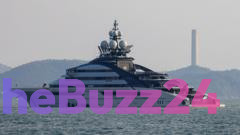
The luxury superyacht Nord, associated with sanctioned Russian billionaire Alexei Mordashov, successfully completed a transit through the Strait of Hormuz over the weekend. The vessel, valued at over $500 million, traveled from Dubai to Muscat, Oman, navigating a critical maritime chokepoint that has become increasingly volatile due to regional geopolitical tensions.
The Strait of Hormuz serves as a vital artery for global energy, carrying roughly 20% of the world’s crude oil and liquefied natural gas. Recent military escalations involving Iran, the United States, and Israel have led to heightened security measures and shipping restrictions in the area, causing significant fluctuations in global energy markets. The movement of the Nord through this sensitive zone underscores the complexities of enforcing international sanctions in regions where Western legal reach is limited.
Alexei Mordashov, a key figure in the Russian steel and mining sector, has faced extensive sanctions from the U.S., U.K., and the European Union. While the Nord is registered under a firm owned by his wife, the vessel remains a high-profile target for asset seizure efforts. Its successful transit suggests a growing trend of sanctioned Russian assets relocating to Middle Eastern and Asian ports, effectively bypassing the enforcement efforts of Western nations.
Key Takeaways
- The $500 million superyacht Nord successfully navigated the Strait of Hormuz, a critical energy transit route currently under heightened security.
- The vessel is linked to sanctioned Russian billionaire Alexei Mordashov, highlighting the difficulty of enforcing international asset seizures.
- The transit reflects a broader pattern of sanctioned assets moving toward jurisdictions outside the influence of Western legal authorities.
Editor’s Analysis & Impact
The transit of the Nord through the Strait of Hormuz serves as a microcosm of the current geopolitical landscape, where private wealth and international sanctions collide with regional military instability. For the maritime and energy sectors, this event highlights the vulnerability of global trade routes to both political posturing and the movement of high-value assets seeking safe harbor. As Western nations continue to tighten sanctions on Russian oligarchs, the ‘safe’ zones for these assets are shrinking, forcing owners to navigate increasingly dangerous or politically sensitive waters. This incident suggests that as long as regional powers remain at odds with Western interests, sanctioned individuals will continue to exploit these geopolitical gaps to protect their holdings, potentially complicating future diplomatic and maritime security efforts in the Middle East.
Frequently Asked Questions
Q: Why is the Strait of Hormuz considered a critical waterway?
A: The Strait of Hormuz is a vital maritime chokepoint through which approximately one-fifth of the world's total crude oil and liquefied natural gas supplies pass daily.
Q: Who is the owner of the superyacht Nord?
A: The vessel is linked to Russian billionaire Alexei Mordashov, though it is officially registered to a firm owned by his wife.
AI Disclosure: This article is based on verified data and official reports. Our Team and AI have cross-referenced every financial detail with primary sources to ensure total accuracy.
More from this Category