The Escalating Cycle of Political Violence and the Push for Fortified Presidential Spaces
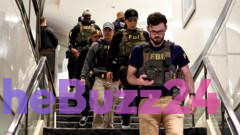
The recent security breach at the White House Correspondents’ Association dinner has reignited a somber national conversation regarding the frequency and normalization of political violence in the United States. For many in attendance, the atmosphere was one of profound unease, as the event—a staple of Washington tradition—was marred by the threat of gunfire. This incident follows a series of high-profile security threats against Donald Trump, including previous attempts in Butler, Pennsylvania, and at his Palm Beach resort, underscoring a volatile climate where public figures are increasingly vulnerable.
In the immediate aftermath, the political response followed a familiar, albeit rapid, trajectory. While initial calls for unity and a cooling of rhetoric emerged from the administration, the discourse quickly reverted to partisan friction. Trump has utilized the incident to advocate for the construction of a high-security ballroom at the White House, framing the project as a critical necessity for the safety of the president and his staff. Legal arguments have been bolstered by the Department of Justice, which contends that existing preservation lawsuits against the project are endangering lives by delaying essential security infrastructure.
However, the proposal for a fortified ballroom has sparked debate regarding its efficacy and the broader implications for presidential accessibility. Critics and security experts point out that a single secure room does not address the systemic vulnerabilities inherent in presidential travel and public engagement. As the administration reviews Secret Service protocols ahead of major upcoming events, the tension between maintaining a visible, accessible presidency and the necessity of a ‘bunker mentality’ remains a central challenge for the current political landscape.
Ultimately, the shift toward more controlled, indoor environments for presidential appearances reflects a significant change in how the executive branch interacts with the public. While these measures may enhance physical security, they risk further isolating the presidency from the electorate. As midterm elections approach, the administration faces the difficult task of balancing the need for campaign visibility with the stark reality of an increasingly dangerous security environment.
Key Takeaways
- A recent security incident at the White House Correspondents' Association dinner has intensified concerns over the normalization of political violence.
- The administration is leveraging the security breach to push for the construction of a fortified ballroom at the White House, citing safety as the primary justification.
- The shift toward more secure, indoor-only events for the president may enhance safety but could create a political 'bunker mentality' that limits public engagement.
Editor’s Analysis & Impact
The recurring nature of these security threats is fundamentally altering the architecture of American political life. By moving toward a model of ‘fortified governance,’ the administration is signaling that the era of open, accessible political campaigning may be coming to an end. From a market and industry perspective, this shift will likely drive increased demand for advanced security technologies, private security consulting, and specialized construction services focused on high-threat environments. However, the broader implication is a potential erosion of democratic norms; as leaders become increasingly sequestered behind physical barriers, the distance between the government and the governed grows. The long-term outlook suggests that political events will become more expensive to secure and more exclusive, potentially impacting voter turnout and the overall health of the democratic process.
Frequently Asked Questions
Q: Why is the administration pushing for a new ballroom at the White House?
A: The administration argues that a new, purpose-built ballroom would provide a more secure, controlled environment for presidential events, protecting the president and guests from potential security threats.
Q: How has the president's approach to public appearances changed recently?
A: Following multiple security incidents, the president has moved away from outdoor rallies in favor of secure military bases and smaller, indoor venues where the Secret Service can more effectively screen attendees.
AI Disclosure: This article is based on verified data and official reports. Our Team and AI have cross-referenced every financial detail with primary sources to ensure total accuracy.
More from this Category