Otter Pivots to Enterprise Hub with Advanced Cross-Platform AI Integration
Otter is undergoing a significant strategic transformation, evolving from a specialized meeting transcription service into a comprehensive enterprise workspace. By integrating the Model Context Protocol (MCP), the platform now allows users to aggregate and query information from a wide array of external business applications directly within its interface. This shift signals a broader industry trend where AI-powered productivity tools are increasingly positioning themselves as central command centers for corporate intelligence and decision-making.
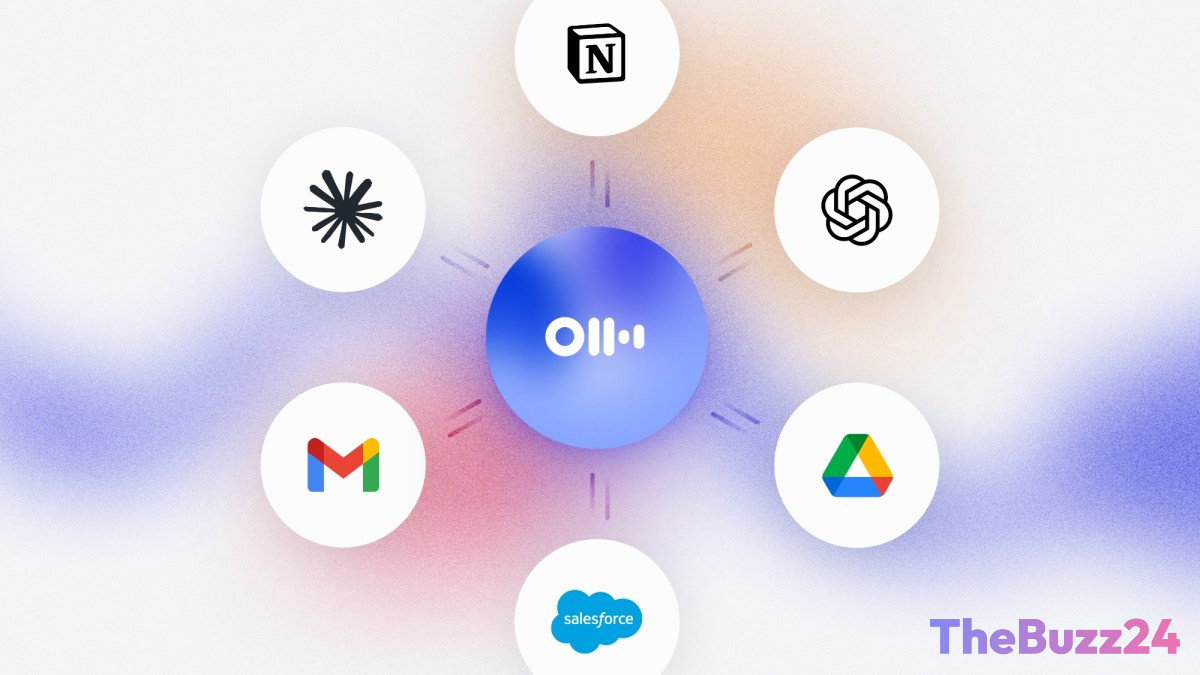
The updated platform enables seamless connectivity with major business tools, including Gmail, Google Drive, Notion, Jira, and Salesforce. This integration allows professionals to perform cross-platform searches, effectively linking disparate data points from their professional ecosystem with existing meeting transcripts. Otter has also confirmed plans to extend this functionality to include Microsoft Outlook, Teams, SharePoint, and Slack. To support this, a persistent AI assistant has been introduced, capable of delivering context-aware insights derived from specific meetings or communication threads.
Despite the industry’s growing preference for botless meeting capture, Otter remains committed to its bot-based participation model. CEO Sam Liang emphasized that enterprise clients prioritize the transparency and accessibility provided by a dedicated meeting bot. To mitigate common frustrations regarding excessive meeting participants, the company has implemented a deduplication feature that prevents multiple bots from cluttering a single call. With a user base now reaching 35 million, Otter is positioning itself as a critical infrastructure tool for enterprise data management rather than just a simple note-taking utility.
Key Takeaways
- Otter is transitioning into a unified enterprise workspace by integrating data from external platforms like Salesforce, Notion, and Google Drive.
- The platform is implementing the Model Context Protocol (MCP) to enable cross-platform search capabilities across a user's entire professional ecosystem.
- Otter continues to support bot-based meeting participation, introducing deduplication features to ensure efficiency and transparency for enterprise clients.
Editor’s Analysis & Impact
Otter’s strategic pivot represents a critical maturation phase for AI-driven productivity software. By moving beyond simple transcription, the company is attempting to solve the ‘fragmented data’ problem that plagues modern enterprises. The integration of the Model Context Protocol is a savvy move, as it standardizes how AI agents interact with external data, potentially reducing the friction of switching between applications. However, the decision to stick with bot-based capture is a calculated risk; while it offers transparency, it faces stiff competition from ‘botless’ alternatives that are often perceived as less intrusive. If Otter can successfully position itself as the primary interface for enterprise data retrieval, it could become an indispensable layer in the corporate software stack, effectively challenging larger incumbents that currently dominate the office suite market.
Frequently Asked Questions
Q: What platforms can currently be integrated with Otter?
A: Users can currently connect accounts from Gmail, Google Drive, Notion, Jira, and Salesforce, with plans to add Microsoft Outlook, Teams, SharePoint, and Slack.
Q: How does Otter address the issue of too many bots in a meeting?
A: Otter has introduced a deduplication feature designed to detect and prevent multiple bots from joining the same meeting, ensuring a cleaner experience for all participants.
AI Disclosure: This article is based on verified data and official reports. Our Team and AI have cross-referenced every financial detail with primary sources to ensure total accuracy.
More from this Category