Patagonia Ignites: Southern Chile’s Forests Blaze with Autumn Hues
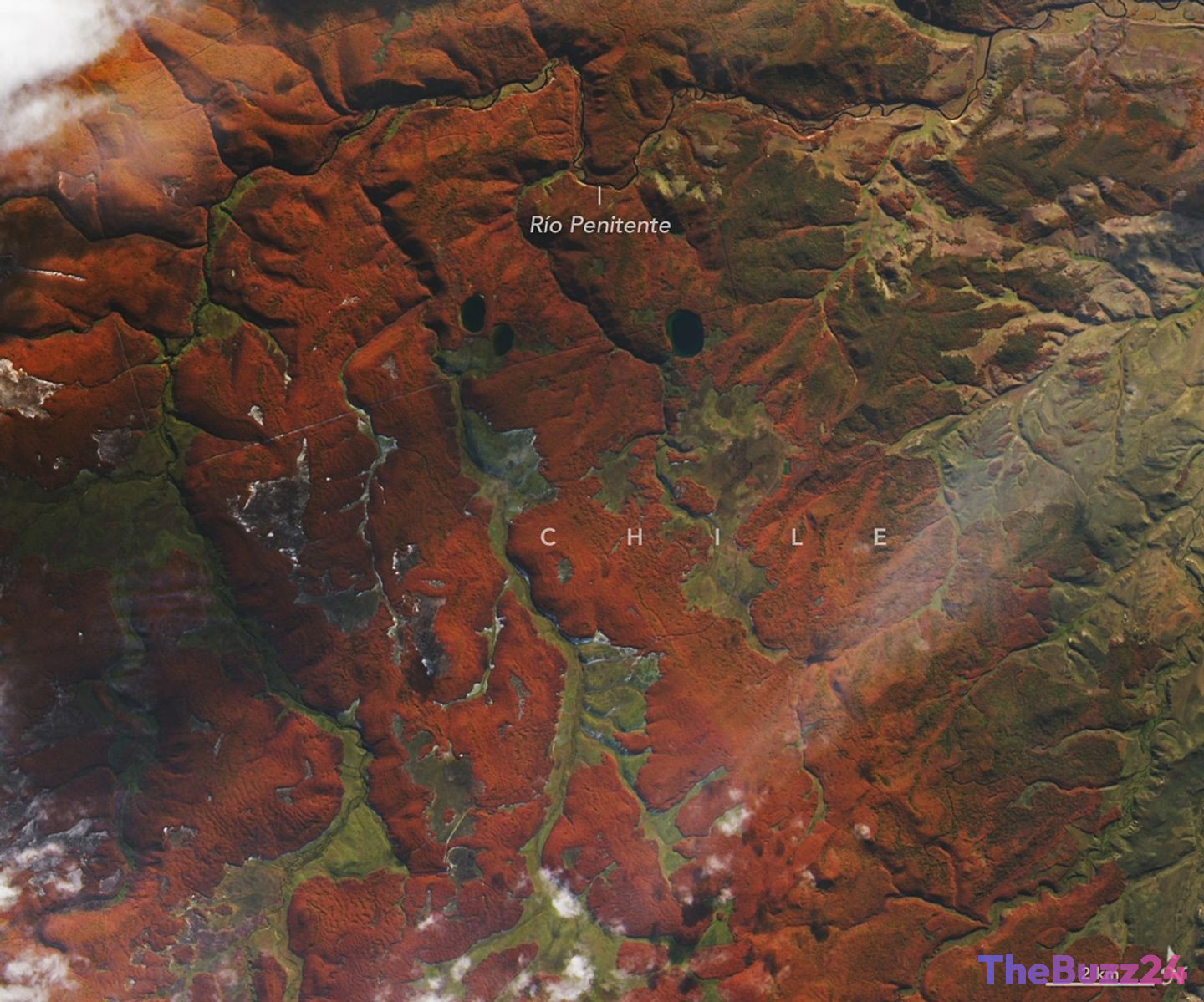
Southern Chile’s Patagonian region, typically known for its stark snow-capped mountains, arid plains, and glacial lakes, is currently experiencing a vibrant transformation. For a brief period each austral autumn, the landscape is dramatically altered by the fiery colors of its temperate deciduous forests. Satellite imagery captured on April 12, 2026, by the Landsat 9 satellite revealed hillsides awash in striking shades of orange and red, painting a vivid contrast against the usual muted tones.
These forests, located at the southernmost reaches of the globe, are unique ecosystems harboring endemic species. Central to these environments are various types of southern beech trees, belonging to the genus Nothofagus. These resilient trees are capable of thriving in diverse conditions, from freezing temperatures to near-desert rainfall. Among them, the lenga beech (Nothofagus pumilio) is particularly notable for its spectacular autumn display, with its leaves turning brilliant yellows and reds as the days grow shorter and colder.
The lenga beech’s range extends significantly along the Andes, from approximately 36 degrees south latitude down to Tierra del Fuego. This species often dominates the subalpine forests, marking the upper limit of tree growth in many areas. While they grow at higher elevations in warmer northern climes, they are found at lower altitudes in the cooler southern regions. The reddish slopes observed near Punta Arenas, for instance, are situated at about 600 meters (2,000 feet) above sea level.
Beyond the lenga beech, other southern beech species like Nothofagus antarctica, also known as ñire or “Antarctic fire,” contribute to the breathtaking autumnal spectacle in iconic locations such as Conguillío National Park and Torres del Paine. These natural displays draw attention to the unique biodiversity and seasonal beauty of Patagonia’s remote forests.
Key Takeaways
- Southern Chile's Patagonian forests are displaying vibrant red and orange hues due to deciduous southern beech trees during the austral autumn.
- The lenga beech (Nothofagus pumilio) is a key species responsible for these colorful displays, thriving in the region's unique subalpine environment.
- Satellite imagery from Landsat 9 has captured the striking seasonal transformation of these southernmost temperate forests.
Editor’s Analysis & Impact
The seasonal color change in Patagonia’s lenga beech forests highlights the ecological significance and unique beauty of Earth’s southernmost temperate ecosystems. This phenomenon underscores the importance of Nothofagus species as foundational elements in these environments, adapted to harsh conditions. The visual spectacle, captured by satellite, not only offers aesthetic appeal but also serves as a reminder of the planet’s diverse natural cycles. As climate patterns shift, understanding the resilience and seasonal responses of these unique forests becomes increasingly critical for conservation efforts and appreciating the delicate balance of biodiversity in extreme latitudes.
Frequently Asked Questions
Q: What causes the fiery fall colors in southern Chile?
A: The fiery fall colors are caused by the deciduous southern beech trees, particularly the lenga beech (Nothofagus pumilio), whose leaves change from green to vibrant yellows and reds as temperatures drop and daylight hours decrease during the austral autumn.
Q: Where are these colorful forests located?
A: These forests are located in the Patagonian region of southern Chile, stretching along the Andes mountains and extending down to Tierra del Fuego. The specific area highlighted in the imagery is about 100 kilometers northwest of Punta Arenas.
Q: What is special about the Nothofagus genus of trees?
A: The Nothofagus genus, commonly known as southern beeches, forms the foundation of many Andean forests in the Southern Hemisphere. They are highly adaptable, capable of tolerating extreme temperatures and low rainfall, and are often found at the highest elevations where trees can grow, marking the subalpine zone.
AI Disclosure: This article is based on verified data and official reports. Our Team and AI have cross-referenced every financial detail with primary sources to ensure total accuracy.
More from this Category