Space Station Scientists Explore DNA Nanotechnology for Cancer Therapies
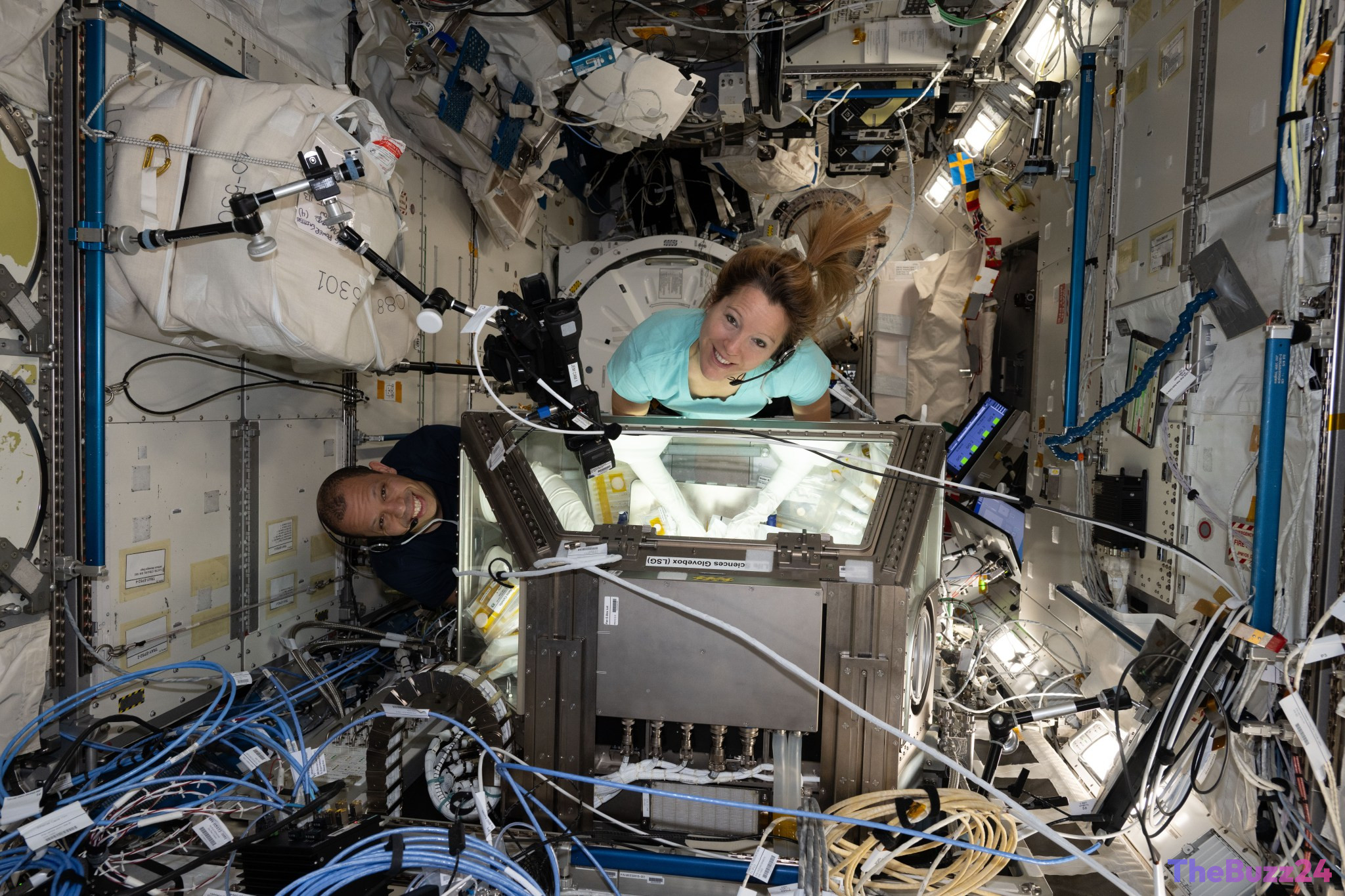
Astronauts aboard the International Space Station (ISS) are conducting groundbreaking research that could pave the way for new cancer treatments. NASA astronaut Chris Williams and European Space Agency astronaut Sophie Adenot collaborated within the Kibo laboratory module’s Life Science Glovebox to process genetic material samples for an experiment dubbed DNA Nano Therapeutics‑3.
This cutting-edge investigation delves into the potential of DNA-inspired assembly techniques. The primary goal is to explore how these methods can be harnessed to manufacture advanced medical treatments, specifically targeting the development of novel chemotherapy and immunotherapy drugs. The research aims to create therapies capable of effectively killing cancer cells while simultaneously stimulating the body’s own immune system to fight the disease.
The work conducted in the microgravity environment of the ISS offers unique advantages for this type of research. Scientists believe that the absence of gravity can facilitate the precise manipulation of molecules and the self-assembly processes crucial for nanotechnology. The findings from DNA Nano Therapeutics‑3 could have significant implications for the future of oncology, potentially leading to more targeted and effective cancer therapies developed through innovative scientific approaches.
Key Takeaways
- Astronauts are conducting research on the ISS to develop new cancer therapies using DNA nanotechnology.
- The DNA Nano Therapeutics‑3 experiment explores DNA-inspired assembly techniques for manufacturing chemotherapy and immunotherapy treatments.
- The microgravity environment of the ISS is being utilized to advance the development of these novel medical approaches.
Editor’s Analysis & Impact
The research conducted on the ISS, focusing on DNA nanotechnology for cancer treatment, represents a significant advancement in the intersection of space exploration and medical science. By leveraging the unique microgravity environment, scientists are exploring novel methods for drug development that may not be feasible on Earth. This could lead to more precise and effective cancer therapies, potentially revolutionizing oncology. The success of such experiments highlights the growing importance of the ISS as a platform for critical scientific discovery with direct terrestrial benefits, underscoring the value of continued investment in space-based research.
Frequently Asked Questions
Q: What is the main objective of the DNA Nano Therapeutics‑3 experiment?
A: The main objective is to explore DNA-inspired assembly techniques for manufacturing advanced cancer treatments, such as chemotherapy and immunotherapy, that can kill cancer cells and activate the immune system.
Q: Why is the International Space Station (ISS) being used for this research?
A: The microgravity environment of the ISS provides unique conditions that can facilitate the precise manipulation of molecules and self-assembly processes crucial for nanotechnology, which may not be achievable on Earth.
Q: What types of cancer treatments could this research lead to?
A: This research could lead to the development of new, more targeted chemotherapy and immunotherapy drugs designed to be more effective against cancer cells while also harnessing the body's immune response.
AI Disclosure: This article is based on verified data and official reports. Our Team and AI have cross-referenced every financial detail with primary sources to ensure total accuracy.
More from this Category