FCC Launches Early Review of Disney Broadcast Licenses Following Controversial Jimmy Kimmel Joke
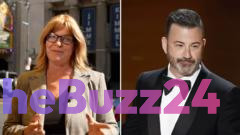
Late-night television host Jimmy Kimmel is at the center of a major political and regulatory storm following a controversial joke targeting First Lady Melania Trump. During a recent broadcast, Kimmel referred to the First Lady as an “expectant widow,” a remark that aired just days before a shooting incident occurred near the White House Correspondents’ Dinner. The comment immediately drew sharp criticism from administration officials, prompting the White House to formally call on network parent company ABC to terminate the comedian’s employment.
In the wake of the administration’s outcry, the Federal Communications Commission (FCC) has intervened by ordering an expedited review of television broadcast licenses held by The Walt Disney Company, ABC’s parent enterprise. This regulatory move elevates the dispute from a standard public relations crisis to a significant legal and operational challenge for one of the world’s largest media conglomerates. Broadcast licenses are critical assets for network affiliates, and an early federal review introduces unexpected scrutiny into Disney’s local station operations.
In response to the escalating situation, representatives for Disney have defended their broadcasting practices, asserting that the company’s stations consistently operate in the public interest and strictly adhere to all established FCC guidelines. Despite the corporate defense, the intersection of political pressure and regulatory oversight has reignited intense national debates surrounding the boundaries of political satire, free speech, and the extent of government influence over private media networks.
Key Takeaways
- Late-night host Jimmy Kimmel sparked intense backlash after referring to First Lady Melania Trump as an 'expectant widow.'
- The White House demanded ABC fire Kimmel, leading the FCC to initiate an early review of Disney's television broadcast licenses.
- Disney defended its stations, stating they operate fully within FCC guidelines and serve the public interest.
Editor’s Analysis & Impact
The FCC’s decision to launch an early review of Disney’s broadcast licenses represents a highly unusual and potentially weaponized use of regulatory power in response to political speech. While late-night comedy has long pushed the boundaries of political satire, targeting a First Lady with highly sensitive remarks has crossed a line for federal regulators under pressure from the executive branch. For Disney, the stakes are incredibly high; any threat to its broadcast licenses directly impacts its local affiliate revenue and market valuation. This incident sets a concerning precedent for the media industry, signaling that political commentary could lead to direct regulatory retaliation. Moving forward, networks may face increased pressure to self-censor or implement stricter oversight on live and late-night programming to safeguard their valuable broadcasting rights.
Frequently Asked Questions
Q: Why is the FCC reviewing Disney's broadcast licenses?
A: The FCC initiated an early review of Disney's television broadcast licenses following political pressure from the White House, which demanded the firing of ABC host Jimmy Kimmel over a controversial joke about First Lady Melania Trump.
Q: What joke did Jimmy Kimmel make?
A: Kimmel referred to First Lady Melania Trump as an 'expectant widow' during his late-night show, a comment that drew severe backlash as it occurred shortly before a shooting incident near the White House Correspondents' Dinner.
Q: How has Disney responded to the controversy?
A: Disney, the parent company of ABC, stated that its television stations serve the public interest and operate fully within the established guidelines set by the FCC.
AI Disclosure: This article is based on verified data and official reports. Our Team and AI have cross-referenced every financial detail with primary sources to ensure total accuracy.
More from this Category