US to Slash German Troop Presence by 5,000 Amid Transatlantic Tensions
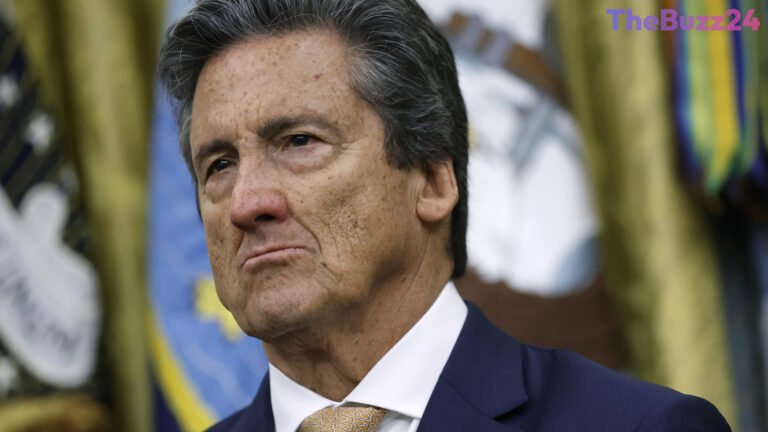
The United States Department of Defense has announced plans to withdraw approximately 5,000 troops from Germany, a move that comes amid heightened diplomatic friction between U.S. leadership and German Chancellor Friedrich Merz. This significant reduction in American military personnel stationed in Europe signals a potential shift in U.S. defense posture and underscores ongoing disagreements on international security strategy.
The decision follows a period of public criticism from President Donald Trump directed at Chancellor Merz, particularly concerning Germany’s stance on the ongoing conflict with Iran. Trump has publicly questioned Merz’s leadership and foreign policy decisions, suggesting Germany is not adequately contributing to collective security efforts and is performing poorly economically. These remarks have escalated tensions between the two key NATO allies, raising concerns about the future of U.S.-European military cooperation.
Pentagon spokesman Sean Parnell confirmed the order originated from Defense Secretary Pete Hegseth, stating the withdrawal is the result of a comprehensive review of U.S. force deployment in Europe, taking into account current operational needs and conditions. The drawdown is expected to be completed within the next six to twelve months. This development occurs as Trump has also indicated a willingness to reconsider troop levels in other allied nations, including Italy and Spain, citing dissatisfaction with their contributions to U.S. security objectives.
Germany hosts the largest contingent of U.S. troops in Europe, with over 36,000 active-duty personnel. The planned withdrawal, while substantial, leaves a significant U.S. military footprint on the continent. This move echoes past proposals by the Trump administration to reduce forces in Germany, which were previously met with congressional opposition and ultimately reversed. However, the current geopolitical climate and evolving defense priorities appear to be driving this renewed effort to recalibrate U.S. military commitments abroad.
Key Takeaways
- The U.S. plans to withdraw 5,000 troops from Germany, its largest European deployment.
- The decision is linked to diplomatic tensions and public criticism between U.S. and German leadership.
- The withdrawal is part of a broader review of U.S. force posture in Europe and may extend to other allied nations.
Editor’s Analysis & Impact
This troop reduction signals a significant recalibration of U.S. military strategy in Europe, potentially driven by both strategic reassessments and political disagreements. The spat between U.S. and German leadership highlights underlying tensions within NATO regarding burden-sharing and strategic alignment, particularly concerning responses to regional conflicts like the one with Iran. While the U.S. maintains a substantial presence, this move could embolden Russia and create uncertainty among Eastern European allies. The long-term implications include potential shifts in European defense capabilities, increased reliance on regional security frameworks, and a test of transatlantic solidarity in the face of evolving global threats.
Frequently Asked Questions
Q: Why is the U.S. reducing its troop presence in Germany?
A: The U.S. Department of Defense cites a review of force posture in Europe and theater requirements. However, the decision is also occurring amidst public disagreements and diplomatic friction between U.S. and German leadership regarding foreign policy and security contributions.
Q: How many U.S. troops are currently stationed in Germany?
A: As of last December, Germany hosted more than 36,000 active-duty U.S. troops, making it the largest U.S. military presence in Europe.
Q: Will this withdrawal affect other U.S. troop deployments in Europe?
A: The U.S. President has indicated a willingness to consider troop reductions in other allied nations, such as Italy and Spain, suggesting this withdrawal from Germany could be part of a broader reassessment of U.S. military commitments in Europe.
AI Disclosure: This article is based on verified data and official reports. Our Team and AI have cross-referenced every financial detail with primary sources to ensure total accuracy.
More from this Category