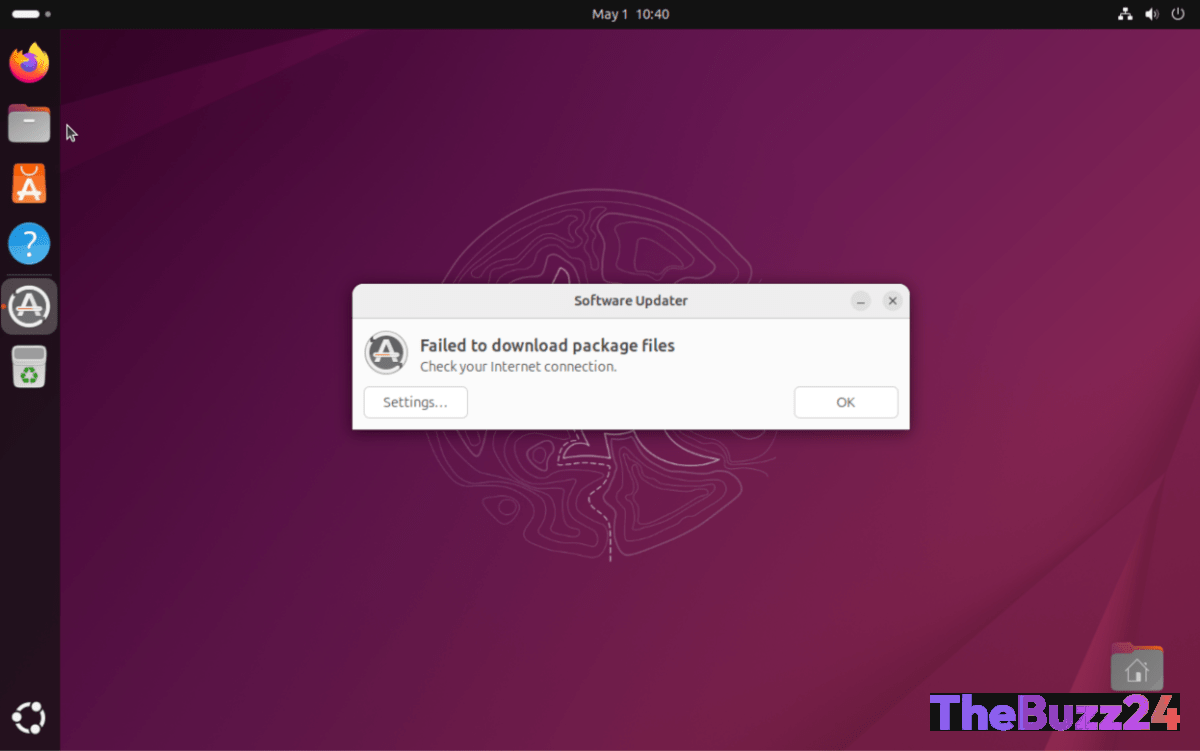
Hacktivist DDoS Attack Cripples Ubuntu and Canonical Infrastructure, Halting Software Updates
Canonical, the developer behind the widely used open-source Linux distribution Ubuntu, has been hit by a massive, sustained distributed denial-of-service (DDoS) attack. The cyber assault, which began on Thursday, has severely disrupted the operating system’s public-facing infrastructure and web services. Canonical confirmed the ongoing cross-border attack, stating that its teams are actively working to mitigate the disruption and restore full functionality.
The outage, which has persisted for nearly a day, has had a direct impact on Ubuntu users worldwide. Reports indicate that the attack targeted Ubuntu’s security API and several key websites hosted by Canonical. As a result, users have faced significant difficulties attempting to install the operating system or download critical security updates. The disruption highlights the vulnerability of open-source distribution pipelines to targeted traffic-flooding campaigns.
A hacktivist group operating under the name “The Islamic Cyber Resistance in Iraq 313 Team” claimed responsibility for the disruption via their Telegram channel. The group reportedly utilized a commercial DDoS-for-hire service known as “Beamed” to execute the attack. These “booter” or “stresser” platforms allow actors with minimal technical expertise to rent massive botnets capable of launching high-volume traffic floods. The service used in this attack claims to support traffic volumes exceeding 3.5 terabits per second (Tbps), representing a formidable threat to enterprise-grade web infrastructure.
The use of DDoS-for-hire platforms remains a persistent challenge for global cybersecurity and law enforcement agencies. Despite ongoing efforts by organizations like the FBI and Europol to seize domains and prosecute operators of these stresser services, new platforms quickly emerge to fill the void. This latest incident underscores the critical need for robust DDoS mitigation strategies, even for well-established open-source ecosystems like Ubuntu.
Key Takeaways
- Canonical and Ubuntu suffered a major, sustained DDoS attack that disrupted public-facing web infrastructure and security APIs.
- The outage prevented users from installing the Ubuntu operating system and downloading critical software updates for nearly 24 hours.
- A hacktivist group claimed responsibility, utilizing a commercial 'DDoS-for-hire' service capable of delivering up to 3.5 Tbps of junk traffic.
Editor’s Analysis & Impact
This attack on Canonical and Ubuntu highlights a growing threat vector for open-source software ecosystems: the weaponization of cheap, accessible DDoS-for-hire services. By targeting the central update infrastructure and security APIs of a major operating system, the attackers managed to disrupt millions of downstream users without needing to compromise the actual software supply chain. This incident demonstrates that securing an open-source project goes beyond code audits; it requires robust, resilient hosting infrastructure capable of absorbing multi-terabit traffic spikes. As cyber-warfare and politically motivated hacktivism continue to rise, infrastructure providers and open-source foundations must invest heavily in advanced DDoS mitigation and decentralized distribution networks to prevent single points of failure from halting global software maintenance.
Frequently Asked Questions
Q: What caused the Ubuntu and Canonical outage?
A: The outage was caused by a sustained distributed denial-of-service (DDoS) attack, where bad actors flooded Canonical's servers with massive amounts of junk traffic to overload and crash their systems.
Q: How does this attack affect everyday Ubuntu users?
A: During the outage, users were unable to access certain Canonical websites, install the Ubuntu operating system, or download critical security updates and software patches.
Q: Who is behind the attack and how did they execute it?
A: A hacktivist group calling itself 'The Islamic Cyber Resistance in Iraq 313 Team' claimed responsibility. They executed the attack using a commercial 'booter' service called Beamed, which rents out infrastructure to launch high-volume traffic floods.
AI Disclosure: This article is based on verified data and official reports. Our Team and AI have cross-referenced every financial detail with primary sources to ensure total accuracy.
More from this Category