“You Can’t Steal a Charity”: Elon Musk Testifies in High-Stakes Lawsuit Against OpenAI
The legal battle between billionaire Elon Musk and OpenAI has intensified as Musk took the witness stand for three days of intense testimony. The lawsuit, which targets OpenAI and its CEO Sam Altman, centers on the dramatic shift of the artificial intelligence research lab from its original non-profit roots to a highly valuable commercial enterprise. During his time on the stand, Musk reiterated his core allegation: that the transition to a for-profit model constitutes a betrayal of the founding mission he helped fund.
Throughout the proceedings, a trove of internal communications, including emails, text messages, and Musk’s own public social media posts, were introduced as evidence. Musk argued that he invested tens of millions of dollars into OpenAI under the explicit agreement that the technology developed would remain open-source and dedicated to the benefit of humanity. “You can’t steal a charity,” Musk asserted in court, framing the restructuring as an unlawful pivot that enriched private investors at the expense of the public good.
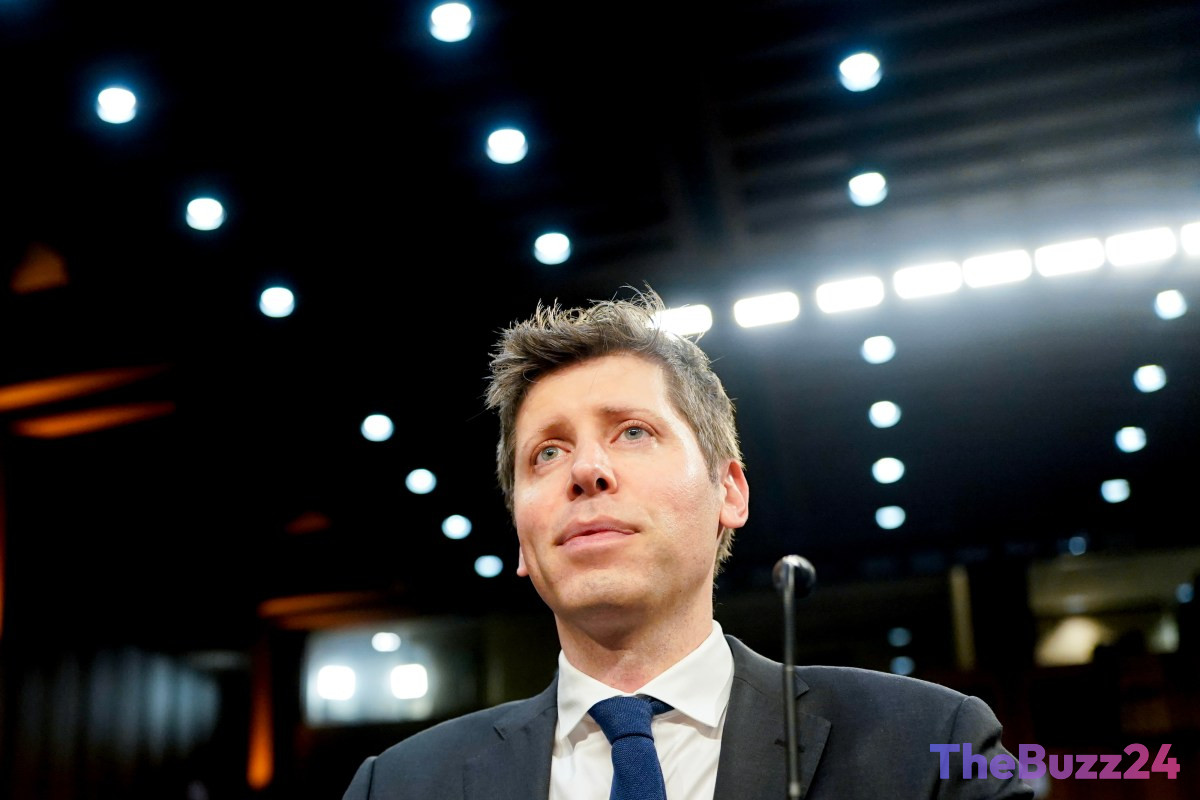
The trial is expected to feature testimonies from several other high-profile tech figures, including OpenAI CEO Sam Altman. Defense attorneys are expected to challenge Musk’s narrative, pointing to his own subsequent ventures in the AI space, such as xAI and its Grok chatbot, which compete directly with OpenAI. The outcome of this legal showdown could set a major precedent for how non-profit research organizations transition into commercial powerhouses.
Key Takeaways
- Elon Musk completed three days of testimony in his lawsuit against OpenAI, focusing on the company's shift to a for-profit model.
- Musk claims that OpenAI's commercialization betrays the original non-profit mission he financially supported to benefit humanity.
- The trial has entered a messy phase with the introduction of personal emails, texts, and tweets, with more high-profile witnesses, including Sam Altman, expected to testify.
Editor’s Analysis & Impact
The legal clash between Elon Musk and OpenAI highlights a fundamental tension at the heart of the modern artificial intelligence boom: the conflict between altruistic, open-source ideals and the massive capital requirements of cutting-edge AI development. When OpenAI was founded, the computational costs of training large language models were not fully realized. Today, competing in the AI race requires billions of dollars in infrastructure, a reality that drove OpenAI toward its commercial partnership with Microsoft. This trial is more than a personal feud; it is a landmark case that could redefine the legal boundaries of non-profit conversions and intellectual property in the tech sector. If Musk prevails, it could disrupt OpenAI’s corporate structure and chill future hybrid non-profit/for-profit ventures. Conversely, an OpenAI victory would validate aggressive commercialization strategies in the rapidly evolving tech landscape.
Frequently Asked Questions
Q: Why is Elon Musk suing OpenAI?
A: Musk is suing OpenAI because he claims the company breached its original founding agreement to remain a non-profit, open-source organization dedicated to developing safe AI for the benefit of humanity. He argues that converting to a commercial model violates the terms under which he originally funded the venture.
Q: What is OpenAI's defense against the lawsuit?
A: While specific defense arguments continue to unfold in court, OpenAI has previously suggested that commercialization was necessary to secure the massive funding and computing power required to achieve its mission. They also point out that Musk himself later founded a competing for-profit AI company, xAI.
Q: Who else is expected to testify in the trial?
A: Several key figures in the artificial intelligence industry are expected to take the stand, most notably OpenAI CEO Sam Altman, along with other early co-founders and board members involved in the transition.
AI Disclosure: This article is based on verified data and official reports. Our Team and AI have cross-referenced every financial detail with primary sources to ensure total accuracy.
More from this Category