Tech Giants Propel S&P 500 and Nasdaq to Historic Peaks
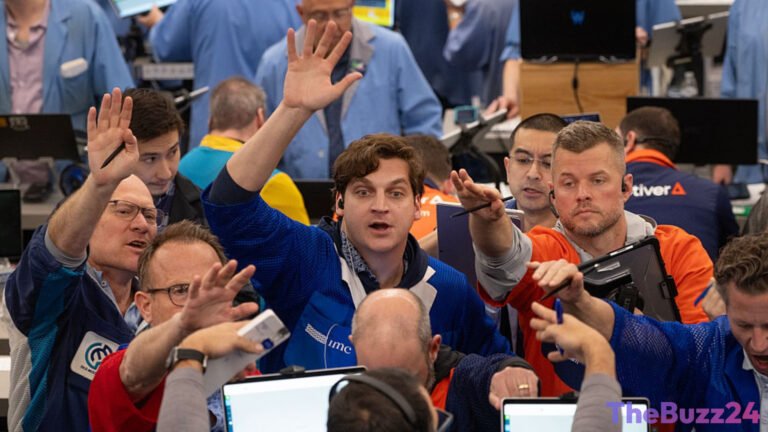
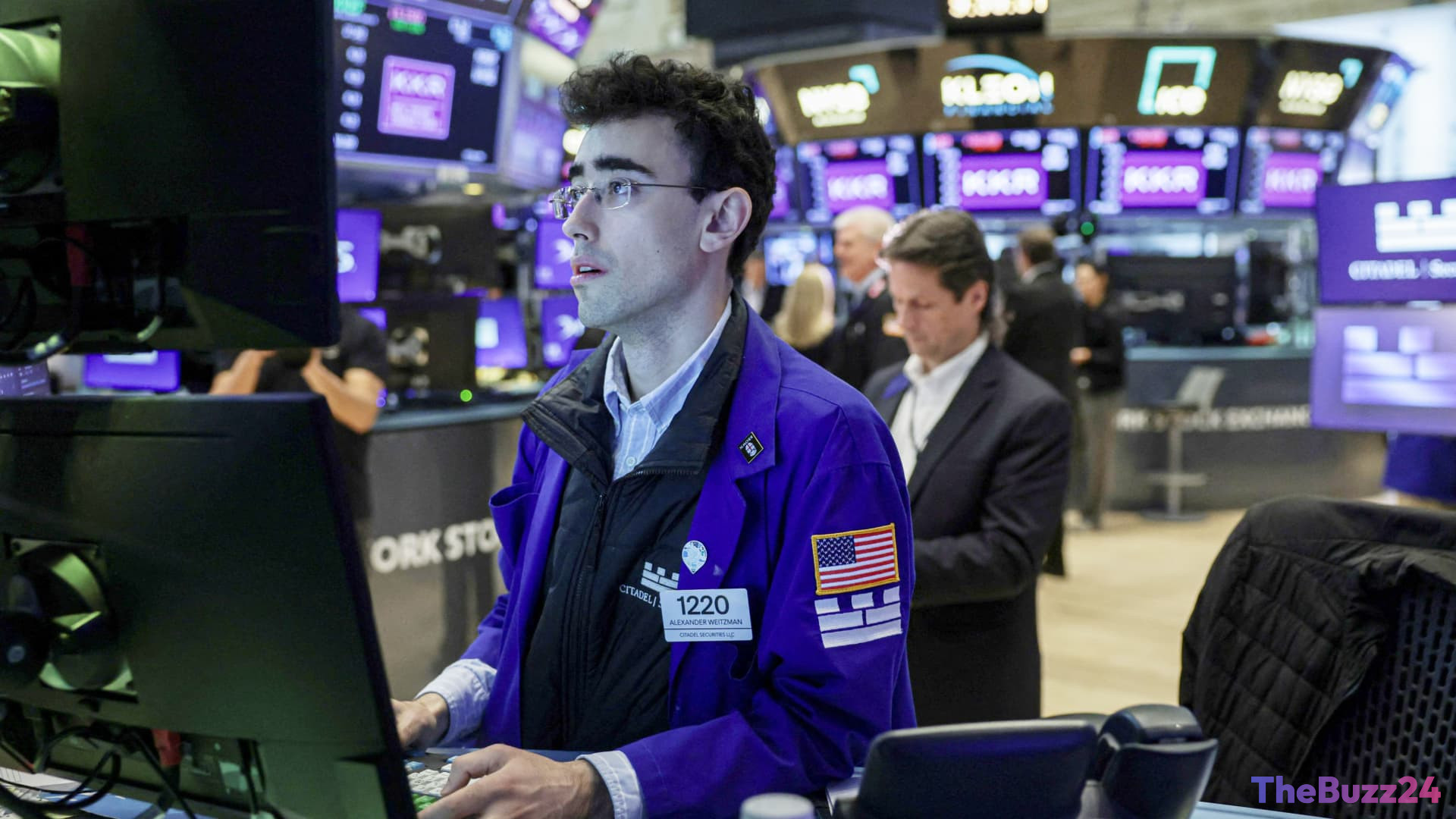
The S&P 500 and the Nasdaq Composite reached unprecedented record highs on Friday, marking a robust beginning to the month of May. The S&P 500 advanced by 0.29% to close at 7,230.12, while the technology-focused Nasdaq Composite saw a stronger gain of 0.89%, finishing at 25,114.44. Conversely, the Dow Jones Industrial Average faced headwinds, retreating by 152.87 points to close at 49,499.27.
Investor sentiment was heavily influenced by a stellar performance from Apple, which saw its share price climb over 3%. The company’s ability to surpass earnings and revenue expectations for its fiscal second quarter provided a significant boost to market confidence, effectively overshadowing a minor dip in iPhone sales. The broader market rally was further supported by notable gains in other sectors, with Roku shares rising 7% and Estee Lauder surging 11% following favorable quarterly reports.
While equity markets thrived, the energy sector experienced a downturn as oil prices softened. West Texas Intermediate crude futures dropped nearly 3% to $101.94 per barrel, and Brent crude fell to $108.17, largely due to ongoing diplomatic discussions regarding potential peace agreements in the Middle East. Despite this volatility, the overall market outlook remains optimistic, bolstered by a strong first-quarter earnings season and sustained productivity gains within the tech industry.
Looking toward the future, market participants are keeping a close watch on corporate leadership transitions and economic indicators. The upcoming Berkshire Hathaway annual meeting is a focal point for investors, as it signals a major shift in leadership from Warren Buffett to Greg Abel. Simultaneously, the U.S. manufacturing sector continues to demonstrate expansion, though it faces the challenge of four-year high price pressures, highlighting the intricate economic environment currently facing policymakers and investors alike.
Key Takeaways
- The S&P 500 and Nasdaq Composite hit new all-time highs, driven by strong tech sector performance.
- Apple shares rose over 3% after the company beat fiscal second-quarter earnings and revenue expectations.
- Oil prices declined nearly 3% amid diplomatic developments in the Middle East, even as broader equity markets remained bullish.
Editor’s Analysis & Impact
The recent market surge underscores a persistent investor appetite for technology stocks, even in the face of macroeconomic headwinds like inflationary price pressures in the manufacturing sector. Apple’s ability to drive market sentiment despite minor product-line revenue misses suggests that investors are prioritizing overall earnings growth and operational efficiency. The divergence between the tech-heavy indices and the Dow Jones indicates a sector-specific rotation that favors innovation-driven growth over traditional industrial components. Looking ahead, the transition at Berkshire Hathaway represents a significant psychological milestone for the market, potentially signaling a new era of corporate governance. While energy prices remain sensitive to geopolitical shifts, the broader market’s resilience suggests that investors are currently more focused on corporate productivity and earnings stability than on short-term commodity volatility.
Frequently Asked Questions
Q: Why did the Nasdaq and S&P 500 reach record highs while the Dow Jones fell?
A: The market rally was primarily driven by strong earnings from technology companies like Apple, which carry more weight in the Nasdaq and S&P 500 indices compared to the Dow Jones Industrial Average.
Q: What is the significance of the upcoming Berkshire Hathaway annual meeting?
A: The meeting is highly anticipated because it marks a formal leadership transition from long-time CEO Warren Buffett to Greg Abel, representing a major change in the management of one of the world's largest holding companies.
AI Disclosure: This article is based on verified data and official reports. Our Team and AI have cross-referenced every financial detail with primary sources to ensure total accuracy.
More from this Category