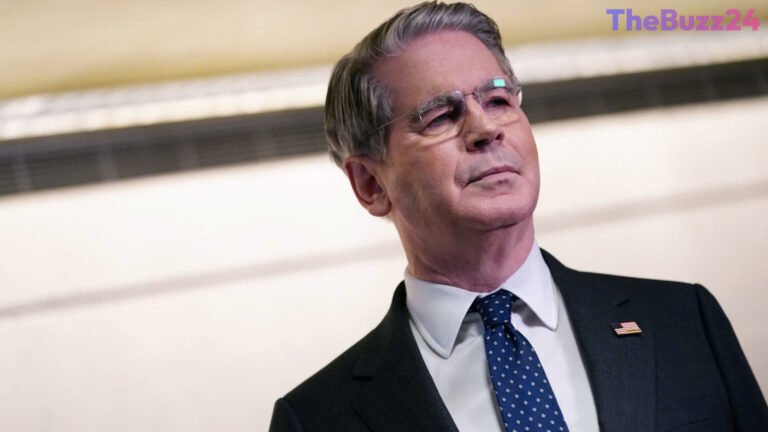
Taiwanese President Lai Ching-te Defies Beijing’s Pressure with Unannounced Visit to Eswatini
Taiwan’s President Lai Ching-te has successfully arrived in Eswatini, marking a significant diplomatic victory amid intense geopolitical pressure from Beijing. The unannounced visit to Taiwan’s sole remaining African ally comes shortly after a previously scheduled trip was disrupted. Earlier flight plans had to be suspended when several African nations, including Seychelles, Mauritius, and Madagascar, abruptly revoked airspace transit permits—a move Taipei attributed directly to diplomatic coercion from China.
Upon his arrival, President Lai was received with full honors by Eswatini Prime Minister Russell Dlamini. The Taiwanese delegation, which includes Foreign Minister Lin Chia-lung and National Security Council Adviser Alex Huang, traveled under tight security and discreet planning. During his stay, Lai is scheduled to hold bilateral talks with King Mswati III and sign a new customs agreement aimed at strengthening economic, agricultural, and educational ties between the two nations.
Beijing has reacted sharply to the visit, labeling the trip a “stowaway-style escape farce” and dismissing Taiwan’s diplomatic efforts as futile. In a clear display of economic leverage, China recently eliminated tariffs for all African nations except Eswatini, signaling its displeasure with the kingdom’s continued alignment with Taipei. Eswatini remains one of only 12 sovereign states globally that maintain official diplomatic relations with Taiwan, making the preservation of this alliance a critical priority for Lai’s administration.
Despite the escalating pressure, President Lai remained defiant, asserting that Taiwan will not be deterred by external intimidation and will continue to engage globally. He praised Eswatini for standing firm against economic and diplomatic coercion, emphasizing that the partnership between the two nations remains resilient.
Key Takeaways
- Taiwan's President Lai Ching-te completed an unannounced diplomatic visit to Eswatini, Taiwan's only remaining ally in Africa, despite intense pressure from Beijing.
- The trip succeeded after a previous attempt was blocked when Seychelles, Mauritius, and Madagascar revoked flight permits under Chinese influence.
- China retaliated economically by excluding Eswatini from a continent-wide tariff exemption program offered to all other African nations.
Editor’s Analysis & Impact
This diplomatic standoff highlights the intensifying geopolitical tug-of-war between Beijing and Taipei. Eswatini’s refusal to sever ties with Taiwan, despite being excluded from China’s recent tariff-free trade initiatives for African nations, underscores the high stakes for Taiwan’s remaining 12 diplomatic allies. For Taiwan, maintaining these formal relationships is crucial for preserving its international legitimacy and resisting total diplomatic isolation. For China, isolating Taiwan remains a core strategic objective. This event suggests that future travel by Taiwanese officials will require increasingly complex logistical and security maneuvers to bypass airspace blockades. It also signals that Beijing will continue to use targeted economic punishments and incentives to erode Taiwan’s remaining global alliances, particularly in developing regions.
Frequently Asked Questions
Q: Why is Eswatini's relationship with Taiwan significant?
A: Eswatini is Taiwan's last remaining official diplomatic ally on the African continent. Maintaining this relationship is vital for Taiwan's international standing, as it is one of only 12 countries globally that officially recognize Taiwan over the People's Republic of China.
Q: Why was President Lai's initial trip to Eswatini delayed?
A: The initial trip was postponed after Seychelles, Mauritius, and Madagascar revoked flight permits for the Taiwanese presidential aircraft to cross their airspace, a decision Taiwan attributed to diplomatic pressure from Beijing.
Q: How has China responded to Eswatini's alliance with Taiwan?
A: China has applied significant economic and diplomatic pressure, including excluding Eswatini from a recent initiative that scrapped tariffs for all other African nations, and publicly criticizing the alliance.
AI Disclosure: This article is based on verified data and official reports. Our Team and AI have cross-referenced every financial detail with primary sources to ensure total accuracy.
More from this Category