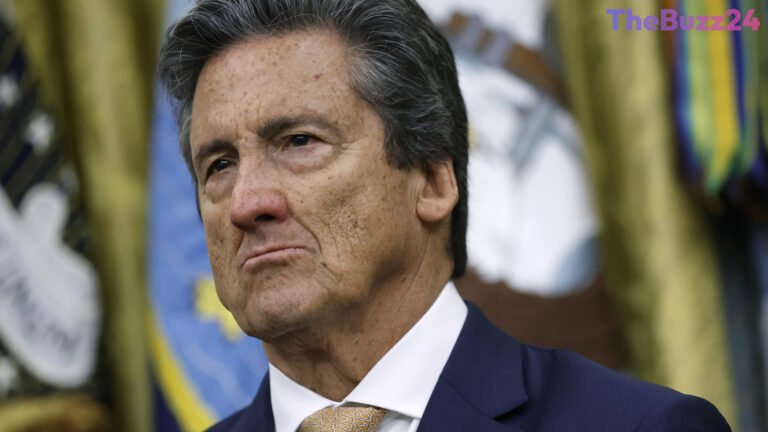
US Troop Withdrawal from Germany Sparks Transatlantic Security Debate
The Pentagon has announced a strategic reduction of 5,000 American troops stationed in Germany, a move that has triggered significant pushback from lawmakers and raised alarms across the NATO alliance. While officials describe the withdrawal as a realignment based on current theater requirements and evolving global defense needs, critics argue the decision could weaken deterrence efforts in Europe and send an unintended message of instability to regional adversaries like Russia.
Prominent U.S. legislators have voiced strong opposition, suggesting that if forces must be moved, they should be redeployed to Eastern Europe to bolster the alliance’s front lines rather than being removed from the continent entirely. The decision has prompted urgent requests for clarification from NATO member states, with leaders like Polish Prime Minister Donald Tusk warning that the unity of the transatlantic partnership is paramount to maintaining regional security. Meanwhile, some political observers have linked the timing of the withdrawal to ongoing tensions between the White House and German leadership regarding defense spending commitments.
As the withdrawal process begins—expected to span the next six to twelve months—the move reflects a broader U.S. strategic pivot toward the Indo-Pacific region. This shift has placed renewed pressure on European nations to accelerate their own defense investments. Germany has responded by committing to exceed NATO’s 2% GDP defense spending target, signaling a transition toward greater European autonomy in collective security matters as the alliance navigates a complex and shifting geopolitical landscape.
Key Takeaways
- The U.S. is withdrawing 5,000 troops from Germany as part of a strategic pivot toward the Indo-Pacific region.
- NATO allies and U.S. lawmakers have expressed concern that the reduction could undermine regional deterrence and weaken the alliance.
- In response to the shifting security landscape, Germany has committed to exceeding the NATO 2% GDP defense spending target.
Editor’s Analysis & Impact
The decision to reduce U.S. troop levels in Germany represents a pivotal moment for the transatlantic alliance, signaling a long-term shift in American military priorities. By pivoting toward the Indo-Pacific, the U.S. is effectively forcing European nations to confront the reality of ‘strategic autonomy.’ While this move creates immediate friction and concerns regarding Russian aggression, it also serves as a catalyst for European states to modernize their militaries and increase defense budgets. The long-term implication is a more decentralized NATO where the burden of security is shared more equitably, though the transition period risks creating a temporary power vacuum that could be exploited if European defense integration does not keep pace with the U.S. withdrawal.
Frequently Asked Questions
Q: Why is the U.S. withdrawing troops from Germany?
A: The Pentagon states the move is part of a comprehensive review to align forces with current theater requirements and a broader strategic pivot toward the Indo-Pacific region.
Q: How has Germany responded to the troop reduction?
A: Germany has acknowledged the move as a foreseeable development and has committed to increasing its defense spending to exceed the NATO target of 2% of its GDP.
AI Disclosure: This article is based on verified data and official reports. Our Team and AI have cross-referenced every financial detail with primary sources to ensure total accuracy.
More from this Category