US Oil Exports Hit Record High Amidst Middle East Tensions
The United States has achieved a new milestone in crude oil exports, reaching an unprecedented 5.2 million barrels per day in April. This surge is largely attributed to global buyers seeking alternative sources of oil as supply disruptions stem from the ongoing conflict in the Middle East. The increased demand has significantly boosted activity at key U.S. export hubs, particularly along the Gulf Coast.
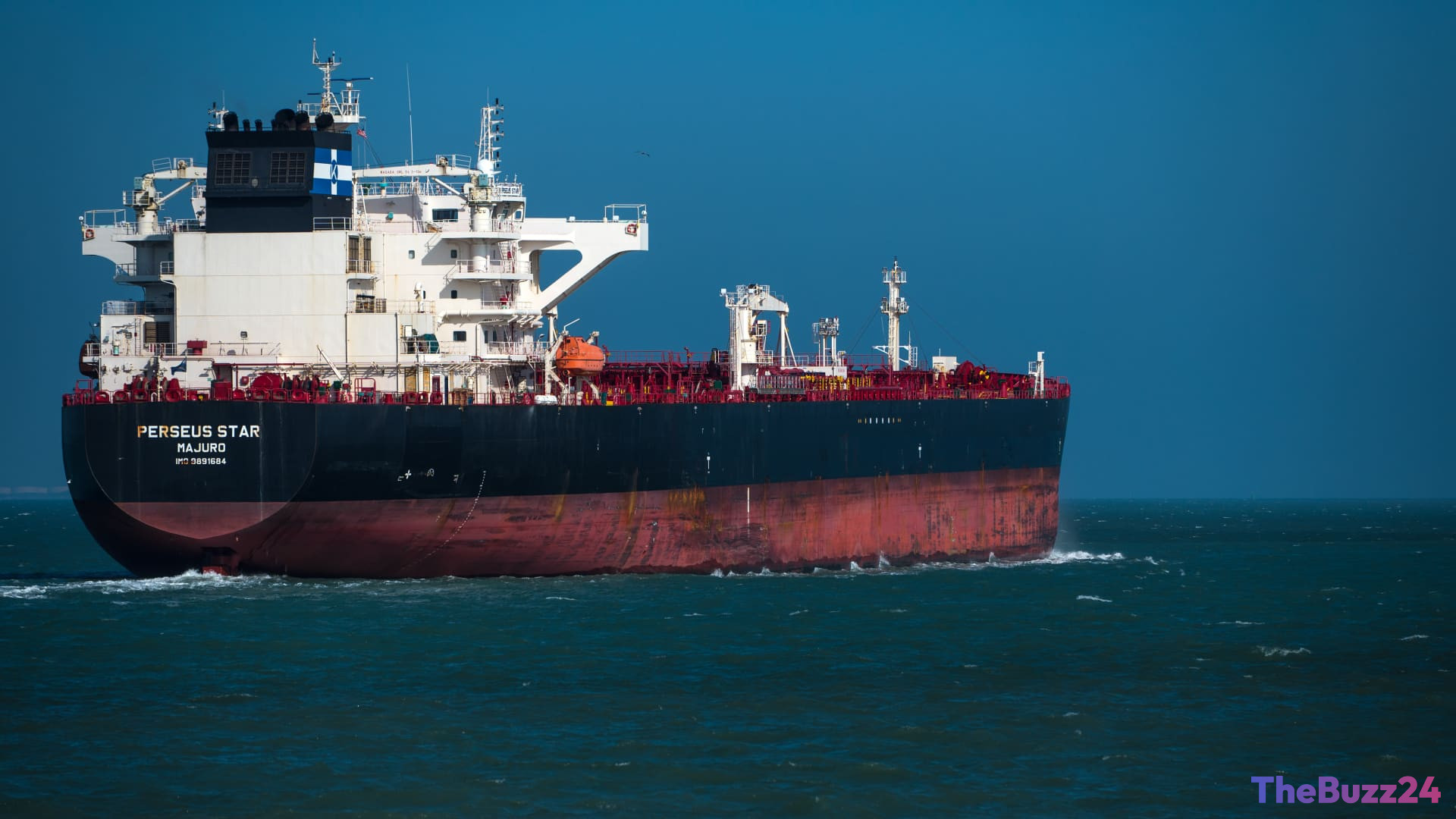
The Port of Corpus Christi, Texas, has experienced its busiest periods on record, with both its first quarter and the month of March setting new benchmarks for activity. Tanker traffic has escalated dramatically, with vessels from across the globe converging on the U.S. Gulf Coast to load crude oil. This strategic shift is a direct consequence of the geopolitical instability affecting traditional supply routes through the Persian Gulf, making U.S. oil a more attractive and accessible option.
Data indicates a substantial increase in export volumes, with April’s figures representing a more than 30% jump compared to February, prior to the escalation of regional conflict. The Port of Corpus Christi alone accounted for approximately half of the nation’s crude oil exports in April. This heightened demand is drawing a significant number of Very Large Crude Carriers (VLCCs) to U.S. ports, doubling the volume seen in the previous year, with each VLCC capable of transporting up to 2 million barrels of oil.
While the current export levels highlight the U.S.’s growing role in the global energy market, analysts suggest this surge may be a temporary wartime measure rather than a permanent reorientation of trade. The composition of U.S. crude, often lighter and sweeter, may not be an ideal substitute for the heavier, sour crude typically sourced from the Middle East, due to refinery configurations. Furthermore, U.S. export capacity is nearing its physical limits, constrained by infrastructure such as dock space and pipeline networks. The sheer volume of oil traditionally flowing through the Strait of Hormuz underscores the difficulty of fully replacing Middle Eastern supply, emphasizing the need for stable energy flows from that region.
Key Takeaways
- US crude oil exports reached a record 5.2 million barrels per day in April.
- The surge is driven by global demand for alternatives to Middle Eastern oil due to the Iran war.
- Key US export terminals, like the Port of Corpus Christi, are experiencing unprecedented activity.
Editor’s Analysis & Impact
The record surge in U.S. crude oil exports underscores the dynamic and often volatile nature of the global energy market, particularly in times of geopolitical instability. While this presents a significant opportunity for American producers and export infrastructure, it also highlights the limitations of U.S. capacity and the irreplaceable role of Middle Eastern oil in the global supply chain. The current situation is likely a short-term response to immediate supply chain disruptions, rather than a fundamental shift in long-term energy trade patterns. Refineries’ reliance on specific crude types and the sheer volume of oil traditionally transiting the Strait of Hormuz suggest that a complete substitution is not feasible. The market will likely remain sensitive to developments in the Middle East, with any resolution or further escalation having immediate ripple effects on global oil prices and trade flows.
Frequently Asked Questions
Q: Why are U.S. oil exports increasing?
A: U.S. oil exports are increasing because buyers in Asia and other regions are seeking alternatives to crude oil supplies from the Middle East, which have been disrupted due to the ongoing conflict involving Iran. The geopolitical situation has made traditional shipping routes less secure, leading buyers to turn to the U.S. Gulf Coast.
Q: What is the significance of the Port of Corpus Christi in this trend?
A: The Port of Corpus Christi has become a critical hub for U.S. oil exports, experiencing record-breaking activity. It accounted for roughly half of the nation's crude oil exports in April and has seen a substantial increase in tanker traffic as global buyers seek to load oil there.
Q: Is this increase in U.S. oil exports sustainable?
A: Analysts suggest that the current surge may be a temporary measure driven by wartime conditions. Factors such as refinery configurations optimized for Middle Eastern crude and the physical limitations of U.S. export capacity suggest that this high level of exports might not be sustainable in the long term. The Middle East remains a crucial source of global oil supply that is difficult to fully replace.
AI Disclosure: This article is based on verified data and official reports. Our Team and AI have cross-referenced every financial detail with primary sources to ensure total accuracy.
More from this Category