Visual AI Models Outpace Chatbots in Driving Mobile App Downloads
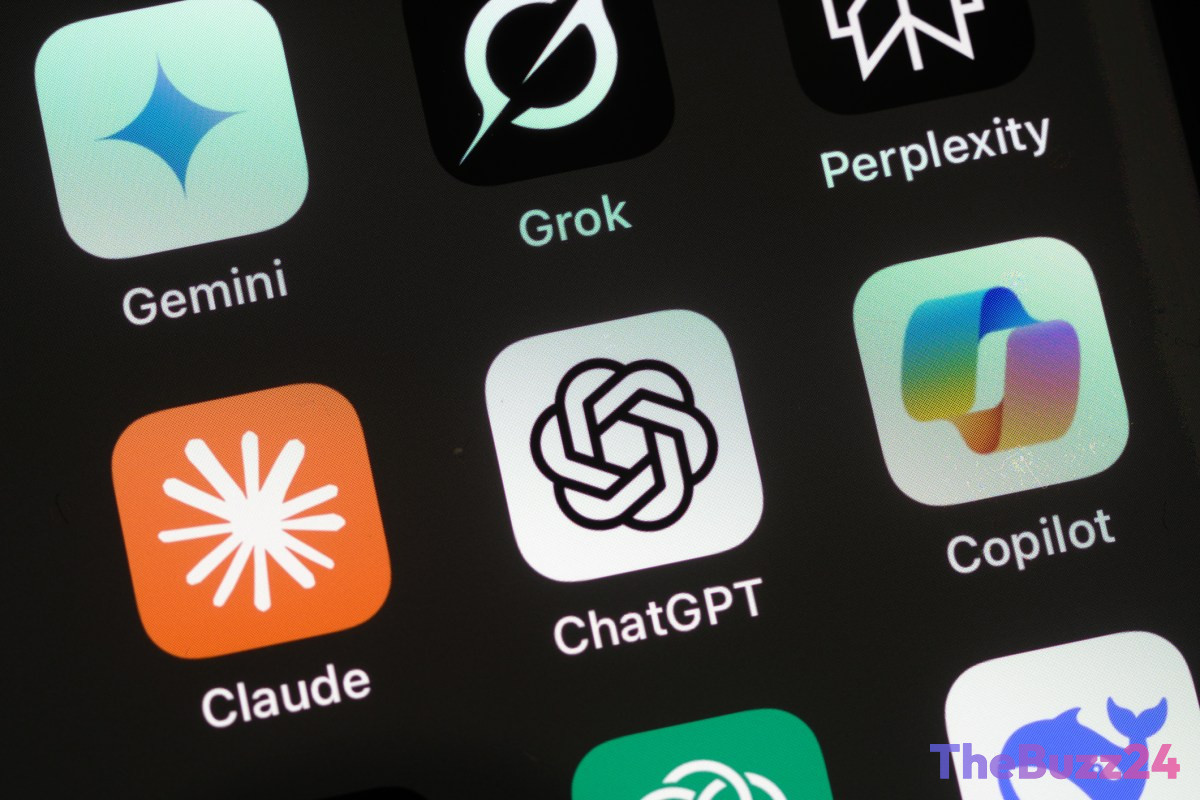
The landscape of artificial intelligence mobile applications is undergoing a significant shift as consumer interest pivots from text-based conversational upgrades to visual generation capabilities. Recent industry data indicates that the introduction of image-generation models now generates 6.5 times more downloads than traditional text-based model updates, marking a departure from the earlier dominance of voice and chat-centric feature releases.
Major players in the AI space have seen substantial user acquisition spikes tied directly to visual model launches. For instance, Google’s Gemini experienced a surge of over 22 million downloads in the month following the release of its Nano Banana image model, representing a fourfold increase in installation velocity. Similarly, OpenAI’s ChatGPT saw an incremental gain of 12 million installs after the debut of its GPT-4o image model, significantly outperforming the download growth associated with its standard GPT-4 and GPT-5 model iterations.
While visual capabilities are highly effective at driving initial user acquisition, the correlation between downloads and long-term revenue remains inconsistent. Data suggests that while these models provide a compelling reason for new users to install an application, they do not guarantee immediate monetization. For example, while ChatGPT successfully converted its increased traffic into approximately $70 million in gross consumer spending within a month of its launch, other platforms like Meta AI saw significant download spikes from visual features like the ‘Vibes’ video feed without achieving comparable revenue growth.
Ultimately, the market is demonstrating that visual AI serves as a powerful top-of-funnel marketing tool. However, the disparity in financial performance between different platforms suggests that the ability to retain users and convert curiosity into paid subscriptions remains a distinct challenge, even for companies that successfully master the viral potential of image and video generation.
Key Takeaways
- Image-generation AI models are currently driving 6.5x more mobile app downloads compared to traditional text-based model updates.
- High download volume does not automatically equate to high revenue, as seen by the varying monetization success between ChatGPT and other AI platforms.
- Visual content features, such as video feeds and image generators, have become the primary catalyst for user acquisition in the competitive AI app market.
Editor’s Analysis & Impact
The shift toward visual-first AI models highlights a maturation in consumer expectations; users are no longer satisfied with incremental improvements to text-based chatbots and are instead seeking tangible, creative utility. From a market perspective, this trend forces AI developers to prioritize multimodal capabilities to remain competitive in the crowded app store ecosystem. However, the ‘download-to-revenue’ gap identified in the data suggests that the industry is currently in a ‘discovery phase’ where companies are spending heavily on acquisition through feature-rich updates without yet perfecting the conversion funnel. Future outlooks suggest that companies capable of integrating these visual tools into high-value workflows—rather than just novelty experiences—will be the ones to secure long-term financial sustainability. The success of OpenAI in monetizing these features compared to others indicates that brand loyalty and ecosystem integration remain critical differentiators.
Frequently Asked Questions
Q: Why are image models driving more downloads than chatbot updates?
A: Image models offer immediate, tangible utility and creative potential that appeals to a broader audience, whereas text-based chatbot updates are often perceived as incremental or technical improvements.
Q: Does a spike in app downloads always lead to higher revenue for AI companies?
A: No. While image models are effective at driving new installs, the data shows that conversion to paid subscriptions varies significantly; only some companies, such as OpenAI, have successfully translated this increased user interest into substantial gross consumer spending.
AI Disclosure: This article is based on verified data and official reports. Our Team and AI have cross-referenced every financial detail with primary sources to ensure total accuracy.
More from this Category