Moment Energy Lands $40M to Revolutionize Grid Storage with Second-Life EV Batteries
Moment Energy has successfully closed a $40 million Series B funding round, bringing the company’s total capital raised to over $100 million. The investment round was led by Evok Innovations and featured participation from a diverse group of high-profile backers, including Amazon’s Climate Pledge Fund, In-Q-Tel, and Liberty Mutual’s venture arm. This influx of capital arrives as North America faces an unprecedented surge in power demand, fueled by the rapid growth of data centers, the widespread adoption of electric vehicles, and the increasing need for grid resilience against climate-related volatility.
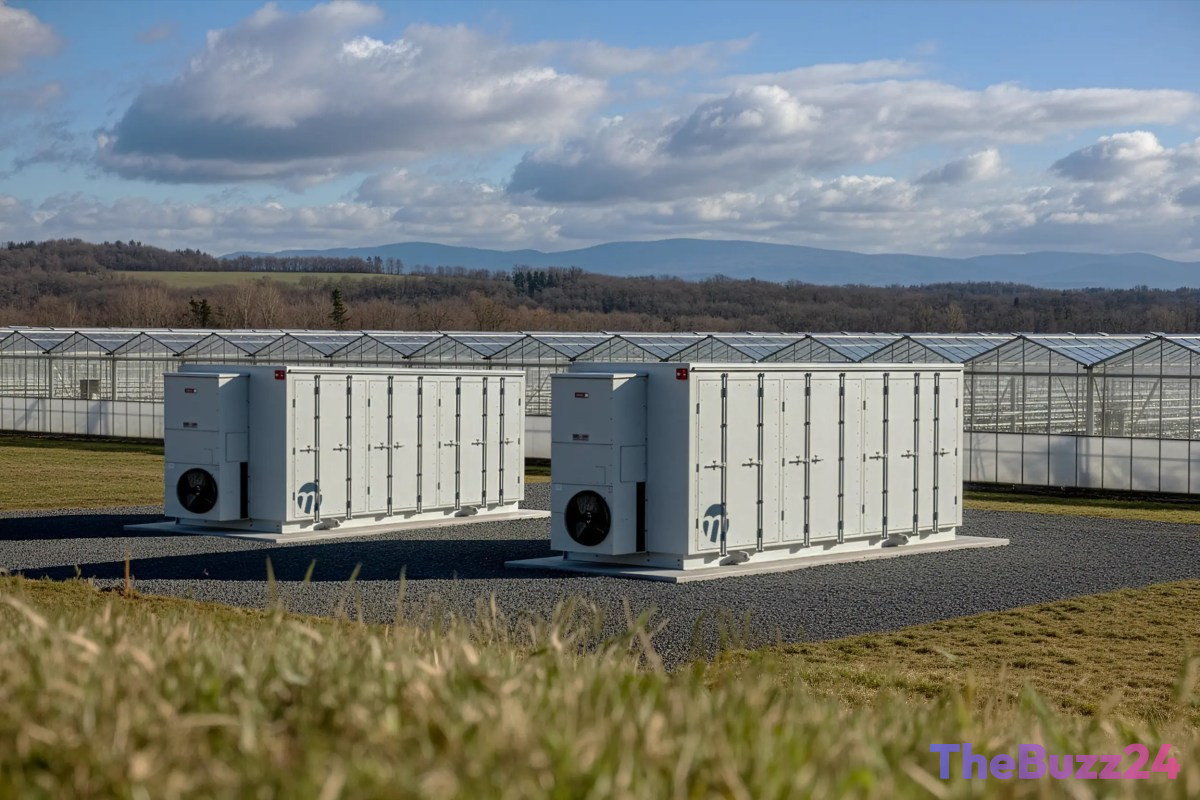
The company has carved out a unique niche in the energy sector by repurposing retired electric vehicle battery packs for large-scale grid storage applications. Unlike traditional approaches that rely on original manufacturer hardware, Moment Energy utilizes its own proprietary software to replace existing battery management systems. This modular, chemistry-agnostic design provides superior flexibility and long-term reliability. A significant milestone for the firm is its achievement of UL Certification, a rigorous safety standard that has historically proven difficult for competitors in the second-life battery market to attain.
To support its aggressive expansion, Moment Energy is currently constructing a gigawatt-scale manufacturing facility in Austin, Texas, bolstered by a $20 million loan from the Department of Energy. The company has also solidified its supply chain through strategic partnerships with major automotive manufacturers, including Mercedes-Benz and Nissan. By focusing on the needs of utilities, industrial firms, and data center operators, Moment Energy is positioning itself as a key player in providing sustainable, scalable energy storage solutions for the modern economy.
Key Takeaways
- Moment Energy raised $40 million in Series B funding, bringing total investment to over $100 million to scale grid-level storage.
- The company uses proprietary software to repurpose EV batteries, achieving critical UL safety certification that differentiates it from competitors.
- A new gigawatt-scale manufacturing plant is underway in Austin, Texas, supported by a $20 million Department of Energy loan and supply deals with Mercedes-Benz and Nissan.
Editor’s Analysis & Impact
Moment Energy’s latest funding round underscores a critical shift in the energy storage landscape: the transition from experimental second-life battery projects to industrial-scale infrastructure. By addressing the ‘battery waste’ problem while simultaneously solving the capacity crunch for data centers and utilities, the company is tapping into two of the most significant economic tailwinds of the decade. The achievement of UL Certification is a major competitive moat, as safety concerns have long been the primary barrier to the widespread adoption of repurposed battery systems. Looking ahead, the success of their Austin gigafactory will be the ultimate test of their scalability. If Moment Energy can prove that second-life batteries are as reliable as new ones at a fraction of the cost, they could fundamentally disrupt the utility-scale storage market and set a new standard for circular economy practices in the automotive and energy sectors.
Frequently Asked Questions
Q: How does Moment Energy make used EV batteries safe for grid use?
A: Moment Energy replaces the original battery management systems with its own proprietary software, which allows for better monitoring and control, and they have achieved UL Certification to ensure the systems meet rigorous safety standards.
Q: Who are the primary customers for Moment Energy's storage solutions?
A: The company primarily targets utilities, industrial firms, and data center operators that require scalable and reliable energy storage to manage increasing power demands.
AI Disclosure: This article is based on verified data and official reports. Our Team and AI have cross-referenced every financial detail with primary sources to ensure total accuracy.
More from this Category