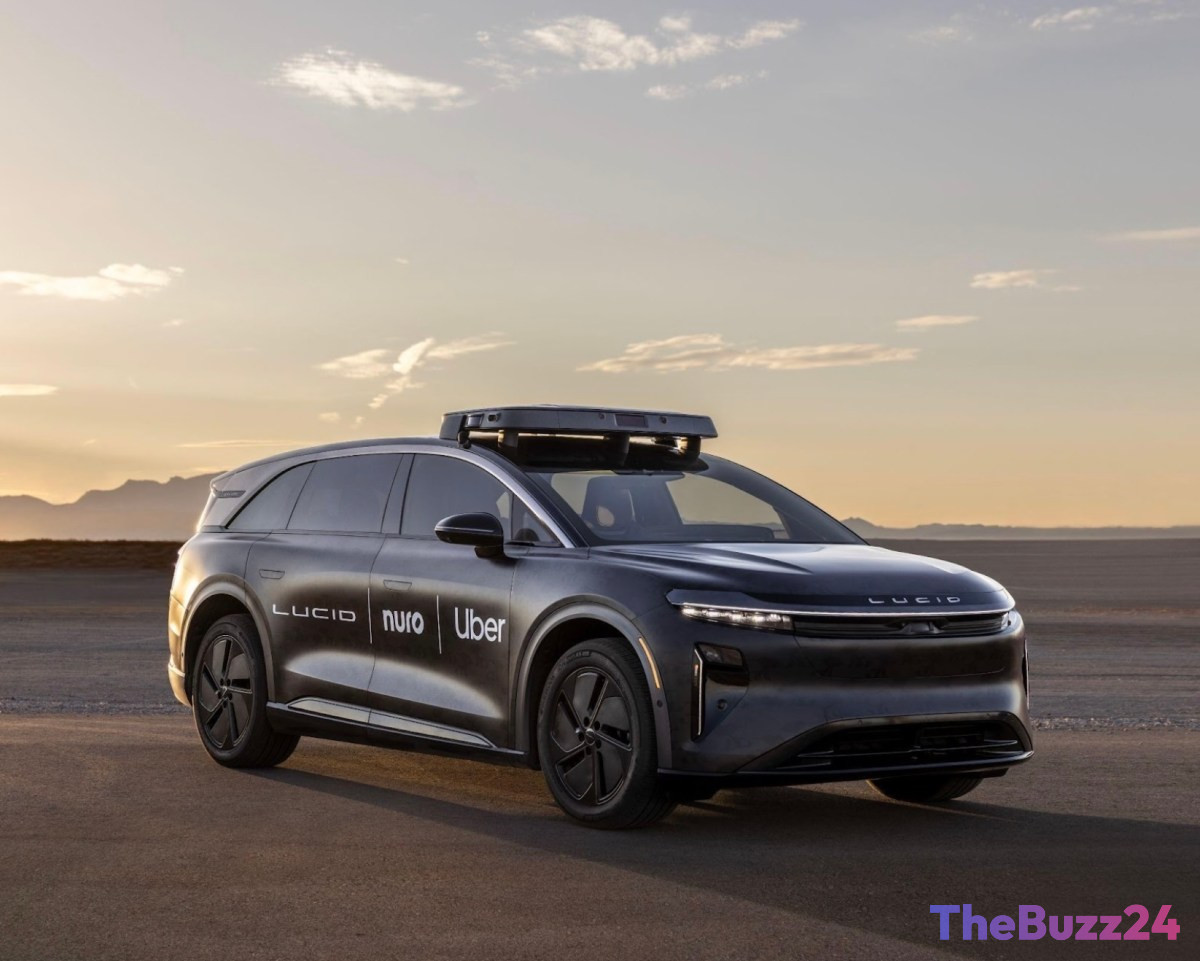
Nuro Secures Regulatory Green Light for Driverless Robotaxi Testing
Autonomous technology firm Nuro has reached a major regulatory milestone, receiving authorization to conduct driverless testing of Lucid Gravity SUVs on public roads in California. This development represents a strategic pivot for the Silicon Valley startup, which has transitioned from its origins in low-speed delivery robotics to licensing sophisticated autonomous driving software for the ride-hailing sector. While the current permit allows for testing without a human safety operator, the company plans to initiate full-scale driverless trials later this year.
This testing phase is a cornerstone of a high-stakes collaboration between Nuro, Uber, and electric vehicle manufacturer Lucid. The partnership is currently utilizing human safety operators to validate system reliability, but the long-term vision is significantly more ambitious. Uber has deepened its commitment to the project, pledging a $500 million investment in Lucid and establishing a procurement roadmap that includes at least 35,000 robotaxi-ready vehicles. These units, which will eventually include both Lucid Gravity SUVs and future mid-size electric platforms, will be powered by Nuro’s proprietary software and Nvidia’s Drive AGX Thor computing architecture.
Despite the recent regulatory progress, the path to commercialization remains subject to rigorous oversight. Nuro must still secure additional ride-hailing and deployment permits from the California Public Utilities Commission and the Department of Motor Vehicles. To accelerate development, Lucid has already deployed 75 engineering vehicles to accumulate data across various U.S. cities. While executives are targeting a commercial launch for late 2026, the timeline remains contingent on the speed of final regulatory approvals and the successful completion of ongoing safety benchmarks.
Key Takeaways
- Nuro has received a permit to test driverless Lucid Gravity SUVs on California public roads.
- Uber has committed $500 million to the project, with plans to procure 35,000 robotaxi-ready vehicles.
- The companies are targeting a commercial robotaxi launch by late 2026, pending further regulatory approvals.
Editor’s Analysis & Impact
The partnership between Nuro, Uber, and Lucid signals a maturing phase for the autonomous vehicle industry, moving away from experimental prototypes toward scalable, integrated commercial fleets. By leveraging Nvidia’s high-performance computing and Lucid’s premium hardware, the consortium is positioning itself as a formidable competitor in the ride-hailing market. The shift from delivery-focused robotics to passenger transport highlights the high-margin potential of robotaxis. However, the industry remains heavily dependent on regulatory cooperation. The success of this venture will likely serve as a bellwether for the broader autonomous sector, proving whether software-licensing models can effectively bridge the gap between engineering innovation and mass-market deployment. If they meet their 2026 target, it could fundamentally disrupt the economics of urban transportation.
Frequently Asked Questions
Q: What vehicles are being used for the Nuro autonomous testing?
A: The testing currently utilizes Lucid Gravity SUVs, with plans to incorporate future mid-size electric vehicle platforms into the fleet.
Q: When is the commercial launch of the robotaxi service expected?
A: The companies are aiming for a commercial launch in late 2026, provided they receive the necessary final permits from California regulators.
AI Disclosure: This article is based on verified data and official reports. Our Team and AI have cross-referenced every financial detail with primary sources to ensure total accuracy.
More from this Category