Lucid Motors Scraps Annual Production Targets Amid Strategic Overhaul
Lucid Motors has officially withdrawn its annual production guidance, marking a period of significant uncertainty for the electric vehicle manufacturer. The decision to retract previous targets—which estimated an output of 25,000 to 27,000 vehicles—comes as the company navigates a major leadership transition and a rigorous internal review of its operational efficiency. Incoming CEO Silvio Napoli is currently spearheading a comprehensive assessment of the firm’s business model to better align manufacturing capabilities with current market realities.
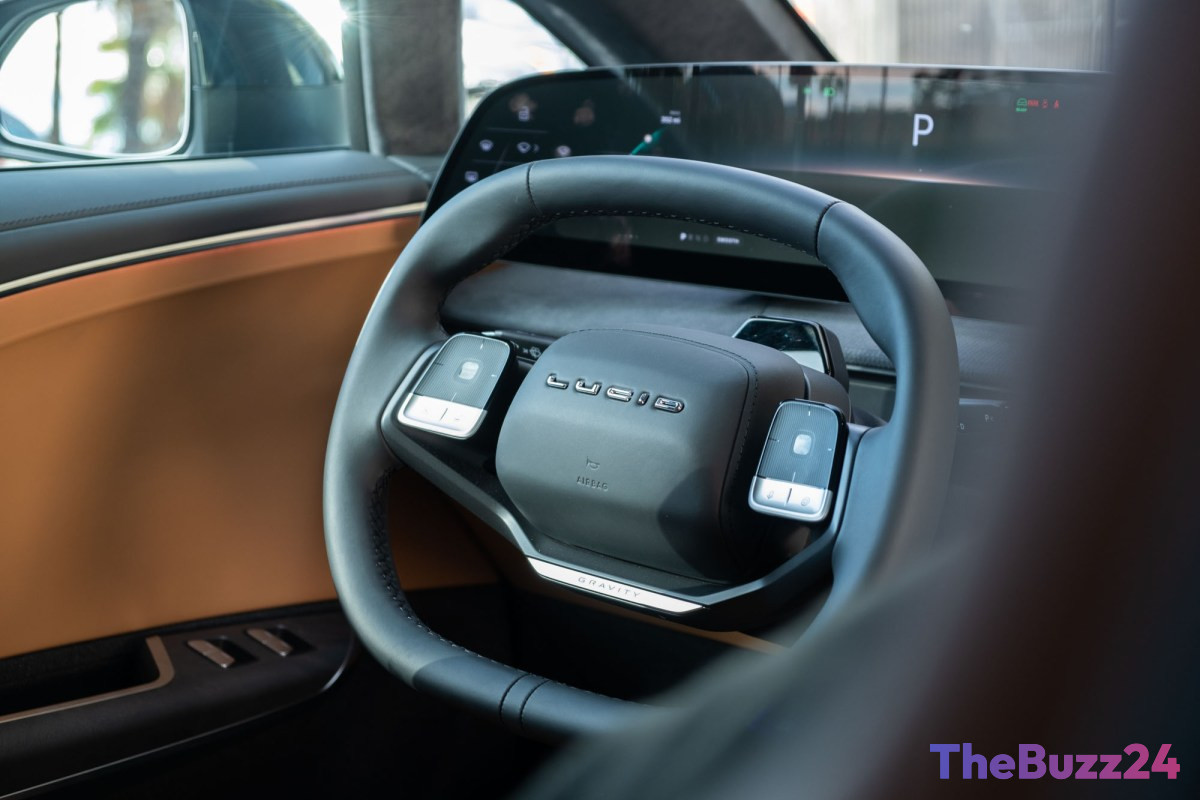
The move follows a challenging first quarter characterized by supply chain bottlenecks and inventory management issues. Notably, the company faced a temporary suspension of deliveries for its Gravity SUV due to complications with a seat supplier, leading to an accumulation of unsold stock. In response, Chief Financial Officer Taoufiq Boussaid stated that the company is shifting its focus toward production discipline, prioritizing operational stability over aggressive volume targets. This strategic pivot follows a 12% reduction in the company’s workforce earlier this year, a move intended to streamline costs and improve long-term financial health.
Despite the immediate operational hurdles, Lucid Motors remains committed to its long-term product roadmap. The manufacturer continues to develop its mid-size vehicle platform, which is positioned as a high-volume, more affordable entry point for the brand, with production expected to begin in 2027. Furthermore, the company is pushing ahead with its autonomous technology integration for the Gravity SUV line, aiming to launch specialized units for a robotaxi initiative by the end of the year.
Market observers are now turning their attention to the upcoming second-quarter earnings report, where leadership is expected to provide a clearer roadmap for future growth. As the company undergoes this structural transformation, the primary objective remains the stabilization of manufacturing processes and the consistent execution of its core technological goals.
Key Takeaways
- Lucid Motors has retracted its annual production guidance to conduct a comprehensive review of operations under new leadership.
- The company is shifting its strategy from aggressive volume growth to production discipline following supply chain disruptions and inventory buildup.
- Long-term plans remain intact, including the launch of a high-volume, lower-cost vehicle platform in 2027 and a robotaxi initiative for the Gravity SUV.
Editor’s Analysis & Impact
The withdrawal of production guidance is a clear signal that Lucid Motors is entering a ‘reset’ phase. By prioritizing operational discipline over volume, the company is attempting to mitigate the cash-burn issues that often plague emerging EV manufacturers. The leadership transition to Silvio Napoli suggests that the board is seeking a more pragmatic approach to scaling, likely moving away from the ambitious, high-growth targets that have previously led to supply chain overextension. While the delay in volume targets may concern short-term investors, the focus on the 2027 mid-size platform is critical; this vehicle is the company’s best chance at achieving mass-market relevance. The success of this transition will depend on whether the company can stabilize its current production line while simultaneously funding the R&D necessary for its autonomous and mid-size vehicle ambitions without requiring further dilutive capital raises.
Frequently Asked Questions
Q: Why did Lucid Motors withdraw its production guidance?
A: The company withdrew its guidance to allow new leadership to conduct a comprehensive review of business operations and to shift focus toward production discipline rather than aggressive volume targets.
Q: What is the status of Lucid's mid-size vehicle platform?
A: The mid-size vehicle platform, intended to be a high-volume, lower-cost offering, remains a core part of the company's roadmap with production currently scheduled to begin in 2027.
AI Disclosure: This article is based on verified data and official reports. Our Team and AI have cross-referenced every financial detail with primary sources to ensure total accuracy.
More from this Category