U.S. Halts ‘Project Freedom’ Maritime Mission as Iran Diplomacy Gains Momentum
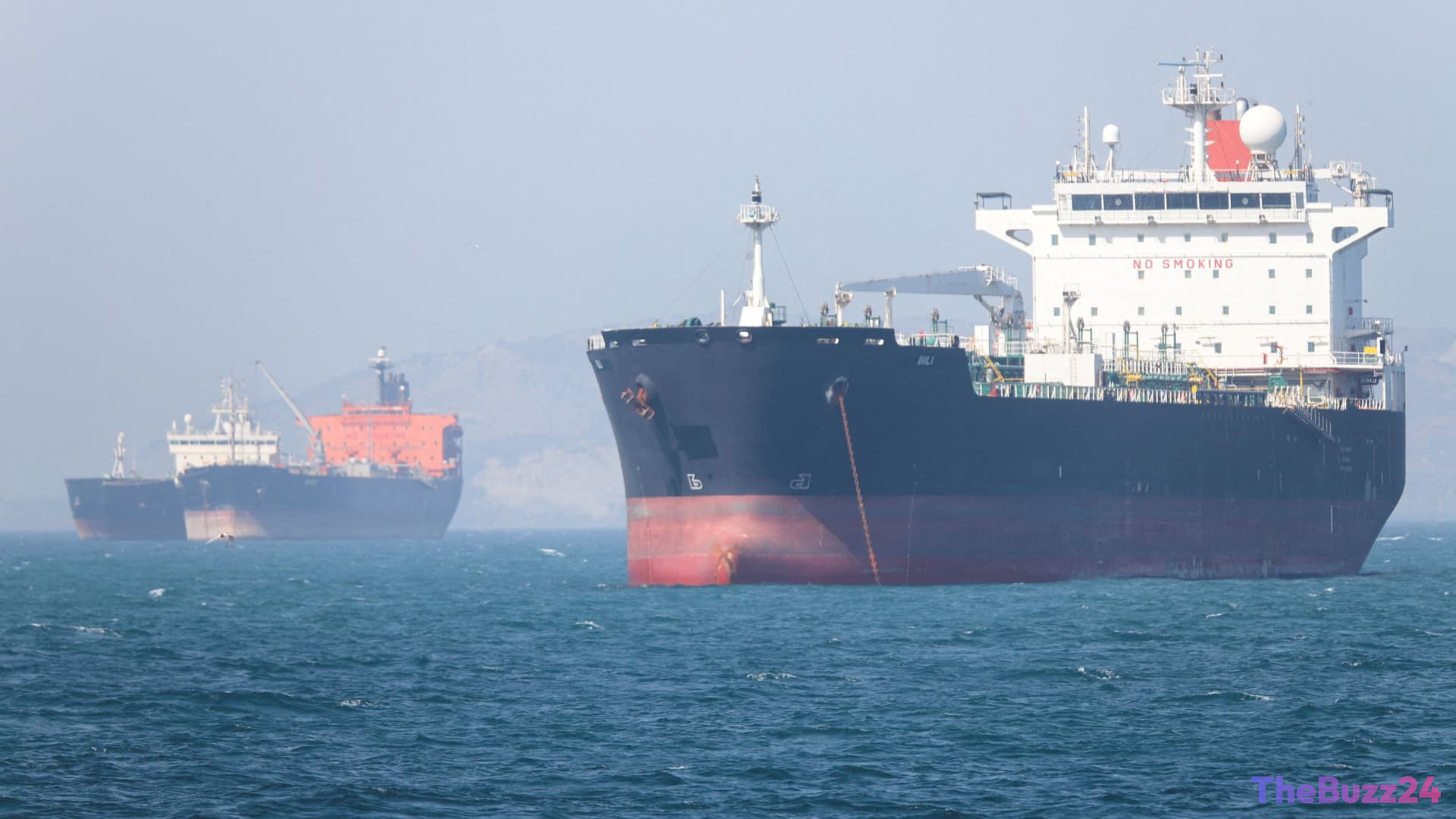
The United States has officially paused ‘Project Freedom,’ a major military initiative tasked with escorting commercial vessels through the volatile Strait of Hormuz. This strategic suspension comes as the administration signals significant progress in ongoing negotiations with Iran, marking a potential shift from a posture of military deterrence to one of diplomatic resolution.
Launched to address the humanitarian and economic crisis caused by the blockade of the Persian Gulf, Project Freedom previously involved a massive deployment of 15,000 service members, guided-missile destroyers, and over 100 aircraft. The mission was originally established to protect approximately 23,000 sailors from 87 nations who were left stranded by the closure of the critical waterway, which had been plagued by regional attacks and heightened security threats.
The decision to stand down operations is intended to provide a clear window for the finalization of a peace agreement. By prioritizing dialogue over military presence, the administration aims to de-escalate tensions that have threatened global shipping lanes for months. The move has been met with optimism in financial circles, where the prospect of reopened trade routes and reduced regional instability has already begun to influence market sentiment.
While the military presence is being scaled back, the administration maintains that the safety of international crews remains a top priority. The transition from active escort duties to diplomatic engagement represents a pivotal moment in the region, as both parties move closer to a formal resolution that could permanently stabilize the Persian Gulf.
Key Takeaways
- The U.S. has suspended 'Project Freedom,' a military operation in the Strait of Hormuz, to facilitate ongoing peace negotiations with Iran.
- The mission previously involved 15,000 personnel and significant naval assets to protect thousands of sailors stranded by regional blockades.
- Financial markets have reacted positively to the news, anticipating that a diplomatic resolution will stabilize global trade routes.
Editor’s Analysis & Impact
The suspension of ‘Project Freedom’ signals a calculated pivot in U.S. foreign policy, moving away from high-cost military posturing toward a more traditional diplomatic framework. From a market perspective, this is a bullish indicator; the Strait of Hormuz is a critical artery for global energy and commodity transport, and any reduction in the risk of conflict directly lowers insurance premiums and shipping costs. However, the success of this move hinges entirely on the durability of the emerging agreement with Iran. If the diplomatic window closes without a signed deal, the administration will face the difficult task of redeploying assets to a region that has only grown more volatile. The broader implication is a potential cooling of regional tensions, which could provide a much-needed boost to global supply chain stability and investor confidence in energy-dependent sectors.
Frequently Asked Questions
Q: What was the primary goal of Project Freedom?
A: Project Freedom was designed to provide military escorts for commercial vessels in the Strait of Hormuz to protect sailors and cargo from regional blockades and attacks.
Q: Why did the U.S. decide to pause the operation now?
A: The pause was initiated to allow space for diplomatic negotiations with Iran to reach a final, peaceful resolution, signaling a shift away from military escalation.
AI Disclosure: This article is based on verified data and official reports. Our Team and AI have cross-referenced every financial detail with primary sources to ensure total accuracy.
More from this Category