Samsung Joins Trillion-Dollar Club Driven by AI Semiconductor Boom
Samsung has officially surpassed a $1 trillion market valuation, marking a historic milestone for the South Korean technology conglomerate. The surge, which saw share prices climb by 10% this week, positions the firm as only the second Asian enterprise to reach this financial threshold. This growth is primarily fueled by the insatiable global demand for high-performance memory chips, which serve as the backbone for modern artificial intelligence infrastructure.
The company’s recent financial performance has been nothing short of transformative, with profits increasing eightfold year-over-year. A significant driver of this success is the production of high-bandwidth memory (HBM), a specialized component that has become indispensable for AI systems. In response to the hardware race among global data centers, Samsung has strategically shifted its manufacturing focus, prioritizing HBM output over traditional consumer electronics to maximize profit margins.
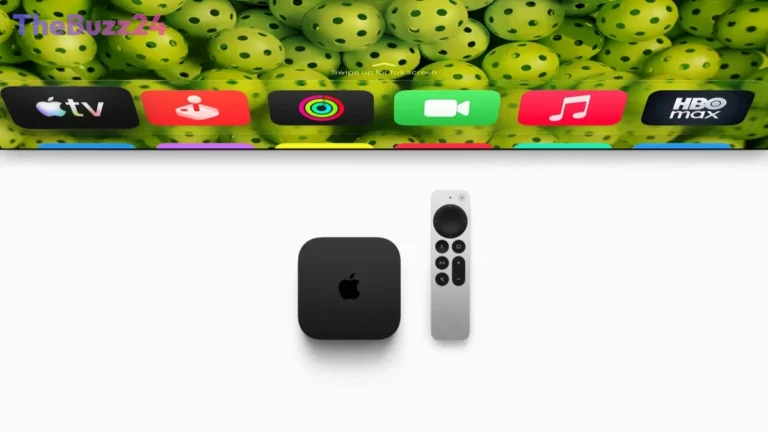
Investor optimism has been further bolstered by speculation regarding a potential manufacturing partnership with Apple. As Apple seeks to diversify its supply chain and potentially increase chip production on U.S. soil, a deal with Samsung could fundamentally reshape the global semiconductor landscape. Such a move would challenge the current dominance of existing manufacturers and solidify Samsung’s role as a critical player in the Western tech ecosystem.
However, the company’s path forward is not without friction. Internal labor unions have announced plans for an 18-day strike, as employees push for a greater share of the company’s record-breaking profits. Furthermore, Samsung’s internal consumer divisions, such as mobile and television, are facing the paradoxical challenge of rising operational costs caused by the very memory chips that are currently driving the firm’s overall valuation to new heights.
Key Takeaways
- Samsung has reached a $1 trillion market valuation, driven by the massive demand for AI-focused high-bandwidth memory (HBM) chips.
- The company is currently in a strong position to potentially secure a major chip manufacturing partnership with Apple to diversify the latter's supply chain.
- Despite record financial growth, Samsung faces significant internal pressure from labor unions planning an 18-day strike over wage disputes.
Editor’s Analysis & Impact
Samsung’s ascent to a $1 trillion valuation underscores the profound shift in the semiconductor industry, where the ‘AI gold rush’ has turned memory manufacturers into the most critical gatekeepers of the digital economy. By pivoting toward HBM, Samsung has successfully insulated itself from the cyclical volatility of the consumer electronics market. However, the company’s future outlook is nuanced; while the AI tailwinds are strong, the firm must navigate the complexities of labor relations and the internal cost pressures of its own hardware divisions. If a partnership with Apple materializes, it would not only validate Samsung’s manufacturing prowess but also create a significant competitive threat to TSMC, potentially triggering a broader realignment of global chip supply chains and increasing the geopolitical importance of Samsung’s production facilities.
Frequently Asked Questions
Q: Why is high-bandwidth memory (HBM) so important for Samsung right now?
A: HBM is a specialized, high-performance memory component essential for powering AI systems and data centers. As AI infrastructure expands globally, the demand for these chips has skyrocketed, significantly boosting Samsung's profit margins.
Q: What are the primary challenges facing Samsung despite its record growth?
A: Samsung is currently dealing with labor unrest, including an 18-day strike planned by unions seeking better compensation, and rising internal costs for its consumer electronics divisions due to the high price of the memory chips it produces.
AI Disclosure: This article is based on verified data and official reports. Our Team and AI have cross-referenced every financial detail with primary sources to ensure total accuracy.
More from this Category