Beijing Pushes for Middle East Stability and Strait of Hormuz Reopening Ahead of High-Stakes Summit
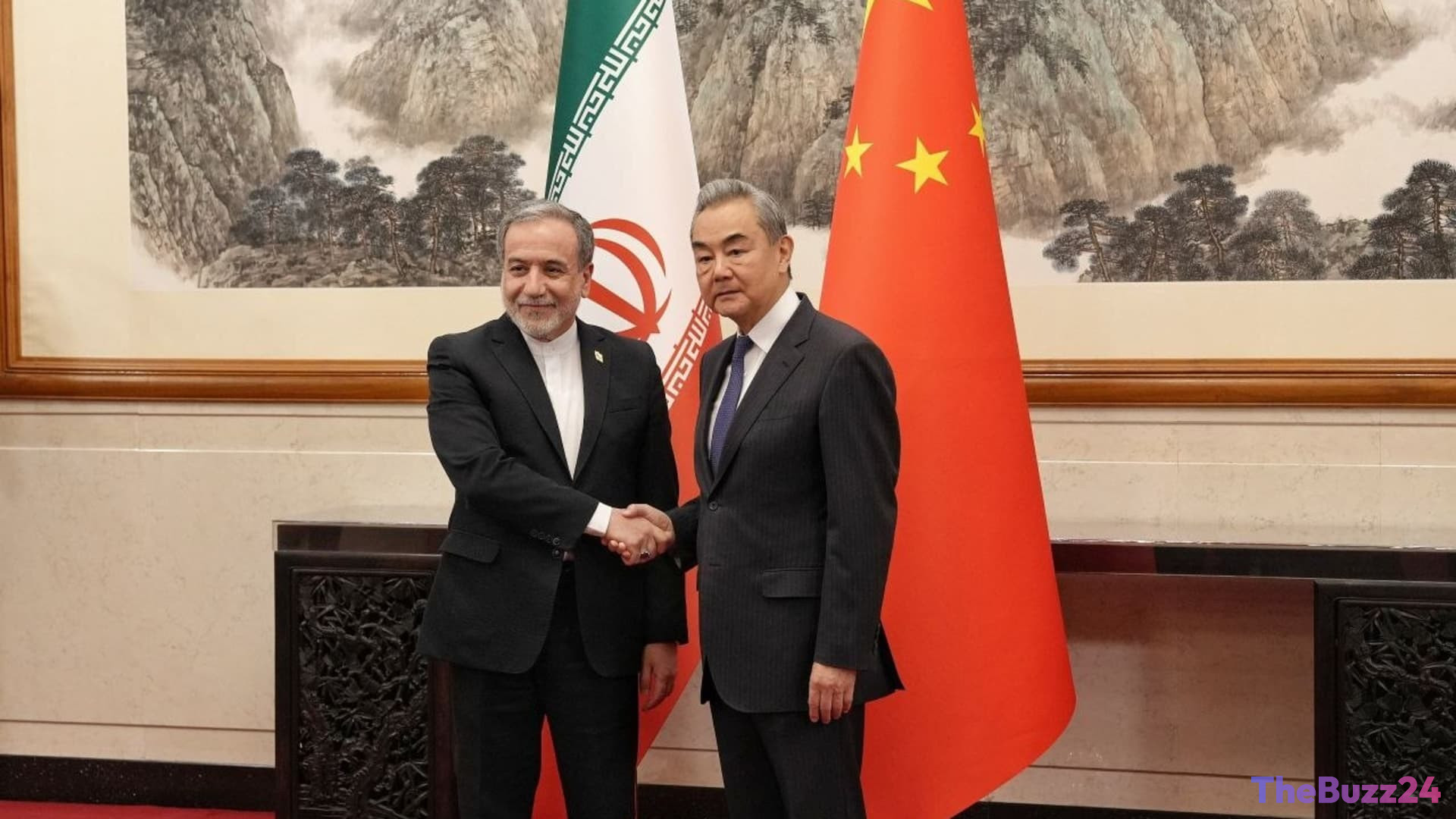
In a strategic diplomatic maneuver, Chinese Foreign Minister Wang Yi held high-level discussions with his Iranian counterpart, Abbas Araghchi, to address the escalating tensions in the Middle East. The dialogue underscores Beijing’s growing role as a mediator in regional conflicts, as the nation seeks to mitigate hostilities that threaten to destabilize global markets. This meeting serves as a critical precursor to the upcoming summit between U.S. President Donald Trump and Chinese President Xi Jinping, where regional security and trade are expected to dominate the agenda.
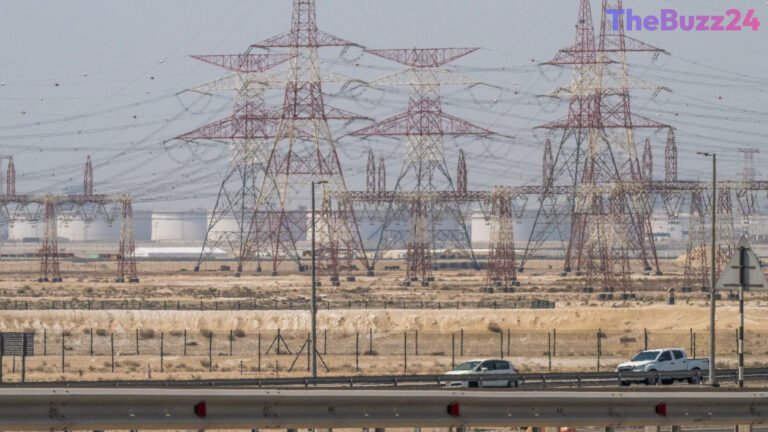
A primary focus of the talks was the immediate restoration of unhindered shipping through the Strait of Hormuz. As a major importer of oil and liquefied natural gas, China views the security of this maritime chokepoint as a non-negotiable component of its national energy strategy. Recent disruptions to commercial traffic in the region have sparked fears of potential inflationary pressure and supply chain volatility, prompting Beijing to exert diplomatic pressure to ensure the continued flow of energy resources to Asian markets.
The timing of this engagement highlights a calculated effort by both Beijing and Tehran to navigate the shifting geopolitical landscape. By positioning itself as a stabilizing force, China aims to strengthen its influence in global affairs while Tehran seeks to maintain international connectivity amidst ongoing regional friction. The success of these diplomatic efforts will likely serve as a barometer for the upcoming discussions between the U.S. and Chinese leadership, setting the stage for future negotiations on trade, security, and international cooperation.
Key Takeaways
- Chinese and Iranian officials met to discuss de-escalation in the Middle East ahead of the Trump-Xi summit.
- Beijing is prioritizing the reopening of the Strait of Hormuz to protect its energy supply chain and prevent global inflation.
- The diplomatic push is part of a broader strategy by China to establish itself as a primary mediator in global security conflicts.
Editor’s Analysis & Impact
The diplomatic intervention by Beijing reflects a sophisticated shift in global power dynamics, where China is increasingly willing to leverage its economic influence to secure its energy interests. By acting as a mediator in the Middle East, China is not only protecting its own energy security but also signaling to the United States that it is a necessary partner in managing global stability. The focus on the Strait of Hormuz highlights the vulnerability of global energy markets to regional geopolitical friction. Moving forward, the success of these efforts will be a litmus test for China’s ability to balance its relationships with both Iran and the U.S. If Beijing succeeds in securing the waterway, it will significantly bolster its diplomatic standing, potentially altering the trajectory of the upcoming Trump-Xi summit.
Frequently Asked Questions
Q: Why is the Strait of Hormuz critical to China?
A: The Strait of Hormuz is a vital maritime chokepoint for global energy supplies. As a leading consumer of oil and natural gas, China relies on this route to maintain its energy security and prevent economic shocks.
Q: How does this meeting affect the upcoming Trump-Xi summit?
A: The meeting serves as a strategic move by China to demonstrate its role as a global stabilizer, which could influence the tone and priorities of the discussions regarding trade and security during the summit with the U.S.
AI Disclosure: This article is based on verified data and official reports. Our Team and AI have cross-referenced every financial detail with primary sources to ensure total accuracy.
More from this Category