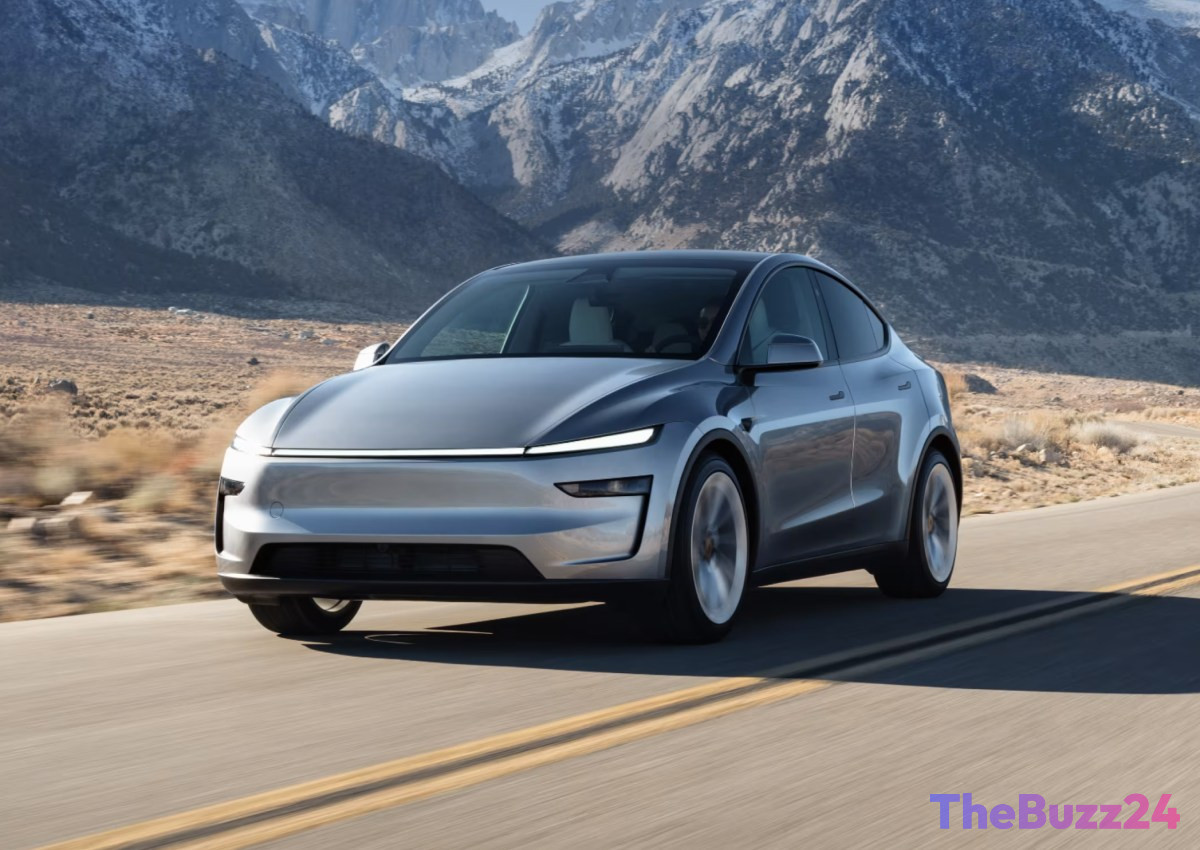
Tesla Model Y Achieves Benchmark Status in New Federal Safety Evaluations
The Tesla Model Y has officially set a new industry benchmark by becoming the first vehicle to comply with the latest, stringent safety standards for driver assistance technology in the United States. This achievement follows a rigorous series of evaluations aimed at assessing how effectively modern automated systems navigate complex road conditions and execute emergency maneuvers under pressure.
Industry analysts attribute this success to recent over-the-air software updates that have been rolled out across the Tesla fleet. These enhancements have significantly improved the vehicle’s sensor data processing capabilities, allowing for more precise reactions to unpredictable environmental variables. By refining these algorithms, the company has effectively established a higher performance threshold for automated driving features in the eyes of federal regulators.
This milestone represents a major shift in the integration of software-defined safety protocols within the automotive sector. As manufacturers continue to accelerate the development of autonomous driving technology, the Model Y’s compliance serves as a clear indicator of how regulatory frameworks are adapting to keep pace with rapid technological innovation. This development is expected to influence future safety requirements for all vehicles equipped with advanced driver assistance systems.
Key Takeaways
- The Tesla Model Y is the first vehicle to meet the newest, most rigorous U.S. safety standards for driver assistance systems.
- Recent software updates significantly improved the vehicle's sensor processing and reaction times to complex road scenarios.
- This achievement highlights a broader trend of regulatory bodies updating safety frameworks to match rapid advancements in autonomous driving technology.
Editor’s Analysis & Impact
The Model Y’s achievement marks a pivotal moment in the ongoing evolution of autonomous vehicle regulation. By successfully meeting these heightened safety benchmarks, Tesla has effectively validated the efficacy of its software-first approach to automotive engineering. This development puts significant pressure on legacy automakers to accelerate their own software development cycles to remain competitive in an increasingly safety-conscious market. Looking ahead, we can expect regulators to utilize these new benchmarks as a baseline for future legislation, likely leading to a more standardized and rigorous testing environment for all driver-assist technologies. This shift not only enhances consumer trust in automated systems but also forces the industry to prioritize robust, data-driven safety protocols over mere feature expansion, ultimately accelerating the path toward safer, fully autonomous transportation.
Frequently Asked Questions
Q: What makes these new safety benchmarks different from previous ones?
A: The new benchmarks are more rigorous, specifically testing how driver assistance systems handle complex, unpredictable road scenarios and emergency maneuvers rather than just standard driving conditions.
Q: How did Tesla improve the Model Y's safety performance?
A: The improvements were primarily achieved through over-the-air software updates that refined how the vehicle processes sensor data and reacts to environmental variables.
AI Disclosure: This article is based on verified data and official reports. Our Team and AI have cross-referenced every financial detail with primary sources to ensure total accuracy.
More from this Category