Geopolitical Tensions Over Iran Take Center Stage at Upcoming Trump-Xi Summit
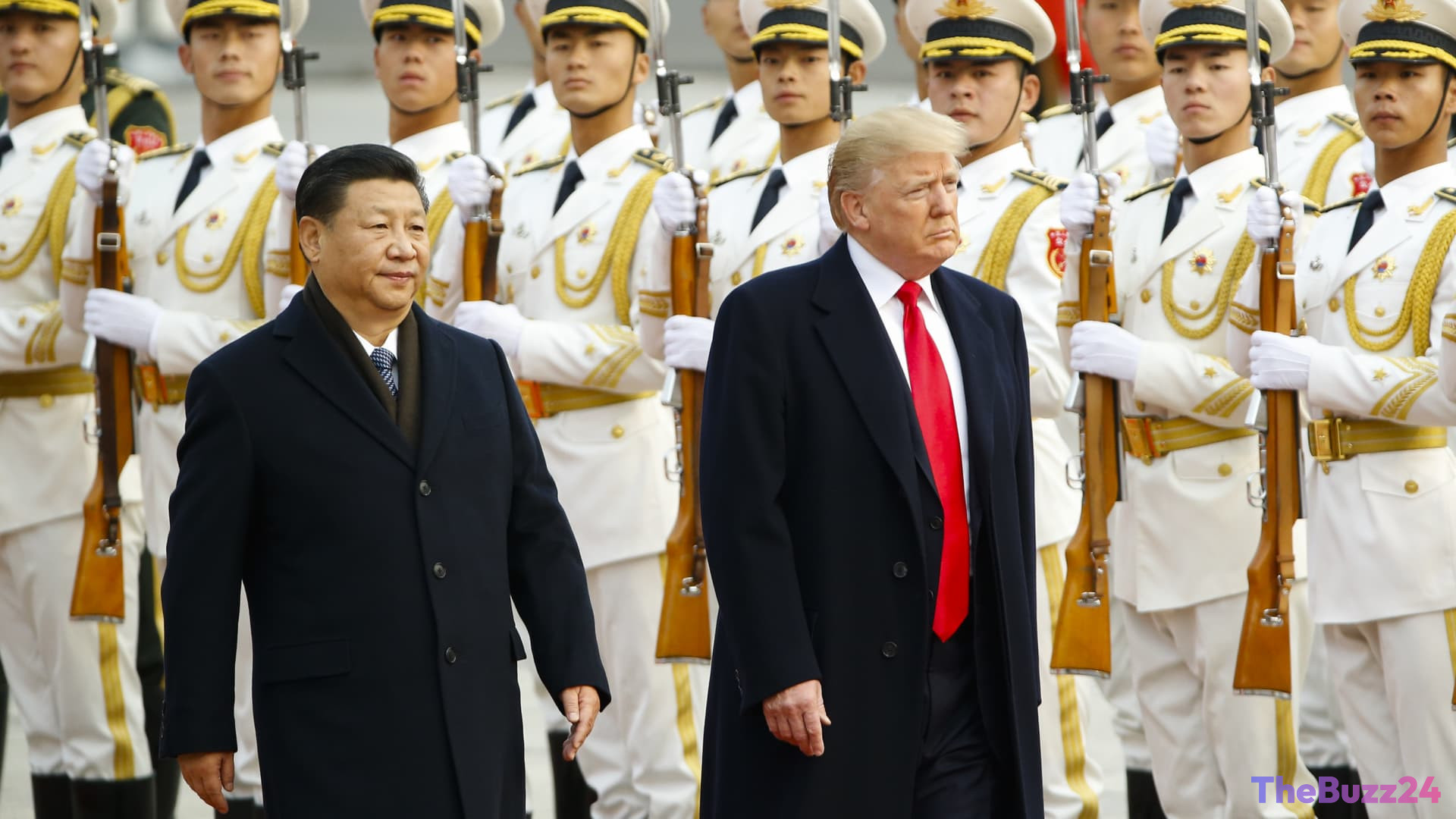
The upcoming summit between U.S. President Donald Trump and Chinese President Xi Jinping is poised to be defined by the escalating conflict in Iran, a shift that threatens to overshadow traditional economic priorities like trade tariffs and supply chain logistics. Scheduled for May 14 and 15, this meeting marks the first presidential visit to China since 2017. U.S. Treasury Secretary Scott Bessent has indicated that the regional instability in the Middle East will serve as the primary focus of the discussions, especially given China’s recent diplomatic efforts to mediate peace negotiations with Iranian officials.
In a notable departure from historical precedents, the current administration has significantly scaled back the size and scope of the accompanying business delegation. Unlike the 2017 visit, which saw a massive contingent of CEOs and resulted in $250 billion in commercial agreements, the White House has opted against formal industry-specific summits. While a smaller group of executives—including representatives from Boeing and Citigroup—is expected to attend, the administration is reportedly wary of the optics surrounding close corporate alignment with Beijing during such a sensitive geopolitical period.
Despite the de-emphasis on large-scale commercial expansion, the summit remains a vital venue for stabilizing bilateral relations. Analysts suggest that even a limited corporate presence could serve as a signal of improved engagement between the two superpowers. While major breakthroughs on trade policy are not guaranteed, there is an expectation that the meeting could yield specific purchase agreements for U.S. agricultural products and aerospace equipment.
Ultimately, the success of this diplomatic encounter will likely be measured by the ability of both nations to navigate a complex security landscape. While Beijing continues to prioritize issues such as Taiwan, technology export restrictions, and tariff policies, the resolution of the Iran conflict remains a key factor for global economic stability. This summit represents a critical juncture for both leaders to define the current balance of power and potentially establish new frameworks for cooperation in an increasingly volatile world.
Key Takeaways
- The Iran conflict has replaced trade and economic expansion as the primary agenda item for the upcoming Trump-Xi summit.
- The U.S. administration has significantly reduced the size of the business delegation to avoid the optics of close corporate alignment with Beijing.
- Despite geopolitical tensions, the summit is expected to facilitate smaller, specific purchase agreements for U.S. goods like soybeans and aircraft.
Editor’s Analysis & Impact
The shift in focus from commercial deal-making to geopolitical crisis management reflects a broader trend in U.S.-China relations, where national security concerns are increasingly dictating economic policy. By limiting the business delegation, the administration is signaling a more cautious, security-first approach to engagement with Beijing. This move suggests that the White House is prioritizing the containment of regional conflicts over the pursuit of immediate trade wins. For the global market, this indicates that volatility in the Middle East is now a primary variable in U.S.-China bilateral stability. Future outlooks remain guarded; while the summit may prevent further deterioration of relations, the structural tensions regarding technology and regional sovereignty are unlikely to be resolved, suggesting that the ‘new normal’ for these two powers will be characterized by limited, transactional cooperation rather than broad economic integration.
Frequently Asked Questions
Q: When and where is the summit between President Trump and President Xi taking place?
A: The summit is scheduled to take place in China on May 14 and 15.
Q: Why is the business delegation for this summit smaller than in previous years?
A: The administration has opted for a more restrained approach, citing concerns about the optics of appearing too closely aligned with Beijing during a period of heightened geopolitical tension.
AI Disclosure: This article is based on verified data and official reports. Our Team and AI have cross-referenced every financial detail with primary sources to ensure total accuracy.
More from this Category