Cost of Living Crisis Triggers Political Shift in UK Local Elections as Reform UK Gains Ground
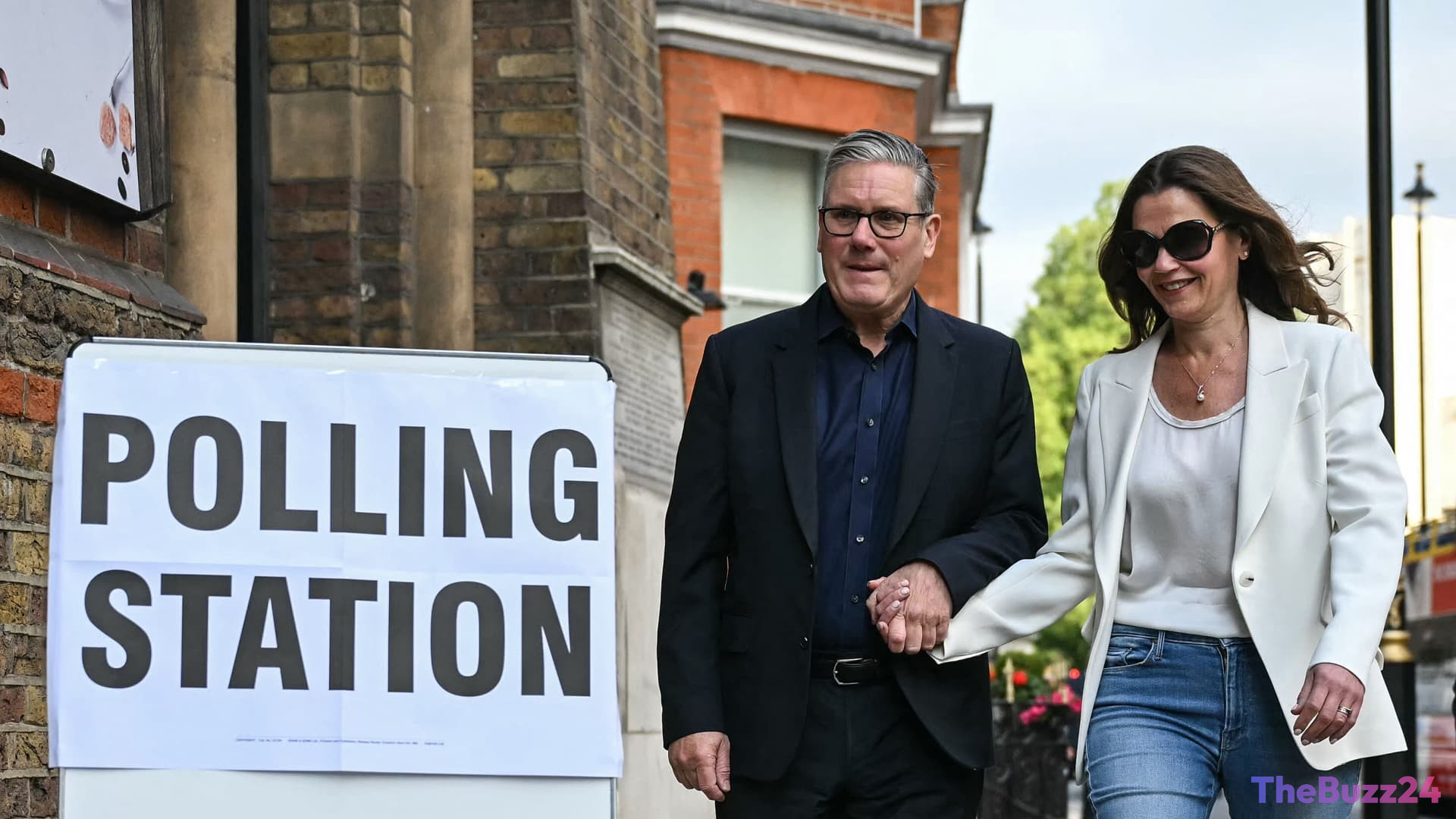
The United Kingdom’s political landscape is experiencing a significant shakeup as early local election results indicate a growing voter backlash against the ruling Labour Party. Driven by persistent cost-of-living pressures, voters are turning toward alternative political forces, with Reform UK securing notable gains at the expense of both Labour and the Conservative Party. This shift underscores the deep public dissatisfaction with the current economic climate, which has dominated political discourse leading up to the elections.
The economic strain on British households has been exacerbated by geopolitical tensions in the Middle East, which have driven up global oil prices and disrupted key shipping routes. Consequently, the costs of energy, transportation, and food have surged. For everyday citizens, this translates directly into higher mortgage rates, rising rents, and expensive grocery bills. Businesses are also feeling the squeeze, facing elevated operational costs and borrowing rates that complicate long-term investment decisions and hiring plans amid widespread uncertainty.
In response to the mounting public pressure, Prime Minister Keir Starmer has introduced a targeted five-point relief plan. The government’s measures include energy bill reductions of over £100 per household, an extension of fuel duty cuts, and dedicated funding for heating oil support. However, economic analysts warn that these measures may only offer temporary relief, as many low-income families continue to struggle with the lingering effects of previous energy crises.
The persistent inflationary environment has also complicated matters for the Bank of England. Governor Andrew Bailey emphasized the destructive nature of entrenched inflation, reiterating the central bank’s commitment to steering inflation back to its two percent target. While financial markets had previously anticipated interest rate cuts this year, those expectations have largely evaporated. The central bank has signaled its readiness to raise interest rates further if inflationary pressures remain stubborn, leaving voters and businesses to brace for prolonged financial tightening.
Key Takeaways
- Reform UK has made substantial gains in local elections, capitalizing on voter frustration over the rising cost of living.
- Geopolitical conflicts have driven up energy and transport costs, fueling persistent inflation and squeezing household budgets.
- The Bank of England has signaled that interest rate cuts are unlikely in the near term, with potential rate hikes still on the table to combat inflation.
Editor’s Analysis & Impact
The local election results in the UK serve as a stark warning to Prime Minister Keir Starmer’s administration. The rise of Reform UK highlights a fracturing electorate increasingly impatient with economic stagnation. From a market perspective, the combination of geopolitical supply shocks and persistent domestic inflation has forced the Bank of England into a hawkish corner. The delay or outright reversal of anticipated interest rate cuts will keep borrowing costs high for both consumers and corporations. This high-interest-rate environment is likely to suppress business investment and consumer spending in the medium term, potentially stalling GDP growth. For policymakers, the challenge lies in balancing fiscal support for struggling households without further fueling the inflationary fire, a delicate act that will define the UK’s economic trajectory heading into the next general election cycle.
Frequently Asked Questions
Q: Why are local election results impacting the ruling Labour Party?
A: Voters are expressing deep frustration over the ongoing cost-of-living crisis, high inflation, and rising mortgage rates, leading many to support alternative parties like Reform UK.
Q: What measures has Prime Minister Keir Starmer introduced to address rising costs?
A: The Prime Minister has proposed a five-point plan that includes over £100 in energy bill cuts per household, extended fuel duty cuts, and £53 million in heating oil support.
Q: Will the Bank of England cut interest rates soon?
A: No, previous expectations of interest rate cuts have been largely dialed back due to persistent inflation driven by global energy and shipping disruptions, with the central bank indicating it may raise rates if necessary.
AI Disclosure: This article is based on verified data and official reports. Our Team and AI have cross-referenced every financial detail with primary sources to ensure total accuracy.
More from this Category