Middle East Standoff Deepens as Trump Rejects Iran’s Peace Counteroffer
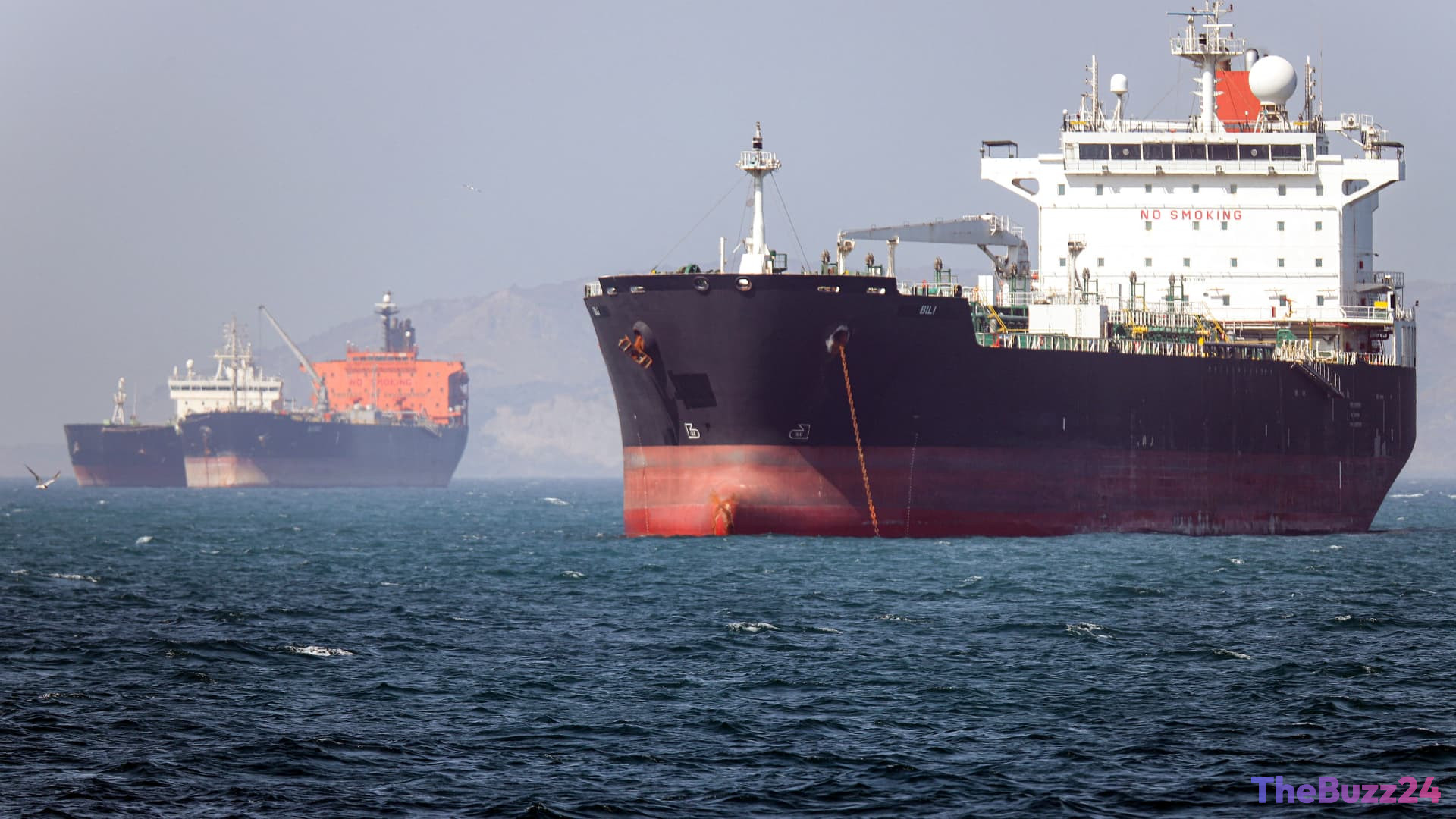
The prospects for an immediate resolution to the ten-week-old conflict in the Middle East have dimmed significantly after U.S. President Donald Trump rejected a peace counterproposal from Tehran, labeling the terms as entirely unacceptable. The diplomatic impasse has triggered a renewed wave of defiance from Iranian leadership, with President Masoud Pezeshkian asserting that the nation will never capitulate to foreign pressure. The ongoing friction continues to choke vital shipping lanes in the Strait of Hormuz, sending shockwaves through global energy markets and raising fears of a wider regional escalation.
At the heart of the diplomatic deadlock are starkly contrasting demands regarding Iran’s nuclear capabilities and regional sovereignty. Tehran’s counterproposal insisted on the lifting of economic sanctions, the release of frozen assets, war reparations, and recognized authority over the Strait of Hormuz. While Iran offered to temporarily suspend uranium enrichment and transfer a portion of its stockpile to a third country, it flatly refused U.S. demands to permanently dismantle its nuclear facilities. Israeli Prime Minister Benjamin Netanyahu echoed the sentiment that the conflict is far from over, emphasizing that Iran has not halted its ballistic missile development or ceased its support for regional proxy groups.
The military and economic fallout of the failed negotiations was felt immediately. Global oil benchmarks surged, with West Texas Intermediate climbing past $100 per barrel and Brent crude rising over $105 per barrel as traders priced in a prolonged risk premium. Meanwhile, security conditions in the Persian Gulf remain highly volatile. Neighboring nations, including the United Arab Emirates, Qatar, and Kuwait, reported intercepting or encountering hostile drones over the weekend. In response to potential military escalation, Iranian military officials warned of undisclosed tactical options should adversaries make further miscalculations.
This high-stakes standoff now looms large over the upcoming bilateral summit in Beijing between President Trump and Chinese President Xi Jinping. Washington is expected to pressure Beijing to use its economic leverage over Tehran to secure the reopening of the Strait of Hormuz. However, analysts suggest that China faces a delicate balancing act, as it seeks to protect its energy supply lines without undermining its long-standing strategic partnership with Iran or risking a public diplomatic failure.
Key Takeaways
- President Trump rejected Iran's peace counterproposal, calling it 'totally unacceptable' and prolonging the ten-week Middle East conflict.
- Tehran has refused to dismantle its nuclear infrastructure, demanding sanctions relief, war reparations, and full sovereignty over the Strait of Hormuz instead.
- Global oil prices spiked, with Brent crude surpassing $105 per barrel, amid drone incidents in the Gulf and ongoing shipping disruptions.
Editor’s Analysis & Impact
The rejection of Iran’s counterproposal underscores the deep geopolitical chasm between Washington’s demand for complete nuclear capitulation and Tehran’s insistence on sovereignty and sanctions relief. With oil prices climbing past $100 a barrel, the economic consequences of this prolonged conflict will likely reverberate globally, threatening to reignite inflationary pressures in Western economies. The upcoming Trump-Xi summit represents a critical diplomatic test. While China has a vested interest in stabilizing global energy flows, it is highly unlikely to abandon its strategic partnership with Iran to do Washington’s bidding. Consequently, market participants should prepare for sustained volatility in energy and currency markets, as a diplomatic breakthrough remains elusive and the risk of localized military miscalculations in the Persian Gulf remains high.
Frequently Asked Questions
Q: Why did the U.S. reject Iran's peace proposal?
A: The U.S. rejected the proposal because it did not meet core demands for the permanent dismantling of Iran's nuclear facilities and enrichment programs, focusing instead on temporary concessions and Iranian demands for sanctions relief and war reparations.
Q: How has the conflict impacted global oil prices?
A: Due to the ongoing blockade and security threats in the Strait of Hormuz, global oil prices have surged, with West Texas Intermediate (WTI) rising to over $100 per barrel and Brent crude trading above $105 per barrel.
Q: What is China's role in the current diplomatic standoff?
A: China is in a complex position; while the U.S. wants Beijing to pressure Iran into reopening shipping lanes, China must balance its need for stable energy imports with its desire to maintain a strategic partnership with Tehran without appearing to make concessions to Washington.
AI Disclosure: This article is based on verified data and official reports. Our Team and AI have cross-referenced every financial detail with primary sources to ensure total accuracy.
More from this Category