Trump Reflects on Intel Deal, Believes He Missed Opportunity for Larger Government Stake
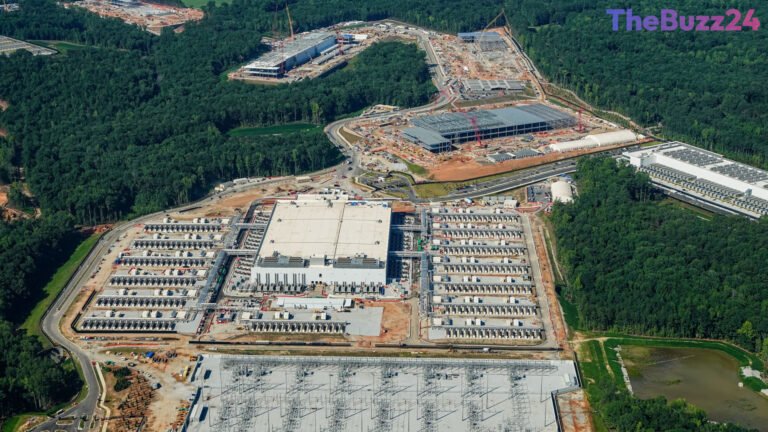
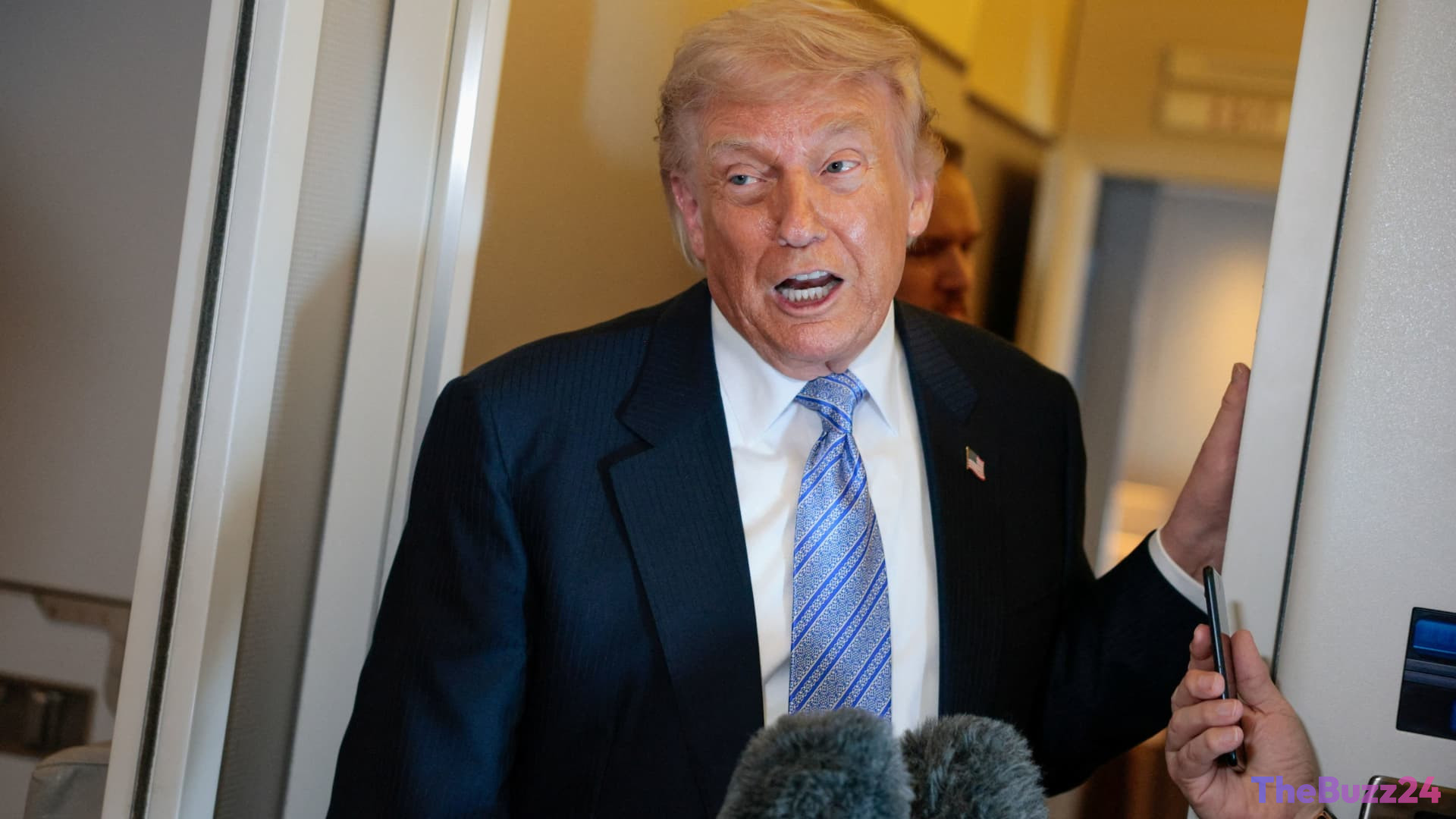
Former President Donald Trump has voiced regret over not securing a more substantial government ownership stake in Intel, suggesting he could have negotiated for a larger share during his administration. Speaking in a recent interview, Trump recalled an initial request for a 10% equity position in the semiconductor giant at no cost during discussions with Intel CEO Lip-Bu Tan. He indicated that following the finalization of the deal, he felt he should have pressed for a greater percentage of the company.
Trump’s perspective is rooted in his belief that his policies, had they continued, would have bolstered domestic chip manufacturing. He posited that implementing tariffs and other protectionist measures would have redirected more chip production to the U.S., potentially elevating Intel to global leadership in the semiconductor industry. This, he argued, would have lessened the dependence on foreign manufacturers like Taiwan Semiconductor Manufacturing Co. (TSMC), whose market valuation now significantly surpasses Intel’s.
The U.S. government’s acquisition of a minority stake in Intel materialized in August, when the Commerce Department confirmed a 9.9% equity position. This stake was established through the conversion of CHIPS Act grants, totaling $5.7 billion in pending funds and an additional $3.2 billion from other initiatives, into company shares. Since this conversion, Intel’s stock performance has been remarkable, experiencing a surge of over 300% and achieving its most robust performance in decades. This upturn has spurred discussions about potential new collaborations, including a preliminary chip supply agreement with Apple and remarks from Tesla CEO Elon Musk regarding the potential use of future Intel processors for his ambitious Terafab project.
This significant stock rally is occurring amidst a broader recovery in the demand for central processing units (CPUs), driven by the escalating requirements of artificial intelligence workloads. Financial institutions like Bank of America forecast substantial growth in the CPU market, potentially doubling by 2030. Intel’s own executives have highlighted the increasing importance of CPUs as a critical factor in advancing AI development. Trump concluded his remarks by emphasizing the United States’ leading position over China in the AI race, underscoring the necessity of maintaining this competitive advantage.
Key Takeaways
- Donald Trump believes the U.S. government should have secured a larger equity stake in Intel during his presidency.
- The U.S. government acquired a 9.9% stake in Intel by converting CHIPS Act grants into shares, coinciding with a significant stock price increase.
- Intel's stock surge is linked to the growing demand for CPUs in AI development, with potential implications for future tech partnerships.
Editor’s Analysis & Impact
The former President’s comments highlight a strategic tension between government intervention in key industries and market-driven growth. The significant appreciation of Intel’s stock post-government investment suggests a potential validation of the CHIPS Act’s aims to bolster domestic semiconductor capabilities. However, Trump’s retrospective assertion raises questions about the optimal level of government involvement and whether such interventions can truly dictate market outcomes or simply capitalize on existing trends. The confluence of AI demand and government backing presents a complex scenario for the future of semiconductor manufacturing, potentially influencing geopolitical strategies and corporate investment decisions in the sector.
Frequently Asked Questions
Q: What was the U.S. government's stake in Intel?
A: The U.S. government acquired a 9.9% equity position in Intel by converting previously awarded CHIPS Act grants into shares.
Q: Why has Intel's stock price increased significantly?
A: Intel's share price has surged due to a combination of factors, including the government's equity stake, a broader resurgence in demand for CPUs driven by AI workloads, and potential new partnerships.
Q: What is the significance of Intel's role in AI development?
A: Central Processing Units (CPUs) are becoming a critical bottleneck in AI development, making Intel's role in producing these processors increasingly vital for the advancement of artificial intelligence.
AI Disclosure: This article is based on verified data and official reports. Our Team and AI have cross-referenced every financial detail with primary sources to ensure total accuracy.
More from this Category