Google Unveils AI-Powered Shopping Ecosystem to Revolutionize Digital Retail
Google is making a significant push into the e-commerce landscape by deploying a suite of artificial intelligence tools aimed at transforming how consumers shop online. By weaving advanced machine learning into the fabric of the digital consumer journey, the tech giant is moving away from traditional retail models to create a more intuitive, unified shopping environment. This strategic pivot underscores a broader commitment to embedding AI into the core of daily digital interactions.
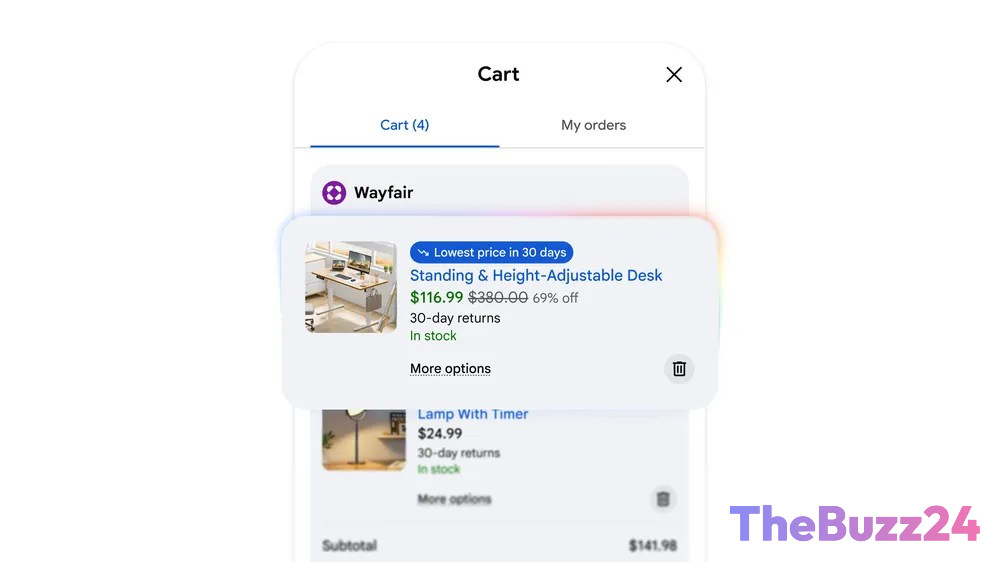
At the heart of this initiative are two primary developments: the ‘Universal Cart’ and the ‘AP2’ platform. The Universal Cart is designed to function as a centralized hub, enabling users to manage and finalize purchases from a wide variety of retailers through a single, streamlined interface. By consolidating the checkout process and leveraging intelligent product recommendations, the system aims to remove the friction often associated with jumping between multiple shopping websites.
Complementing this infrastructure is the AP2 platform, which focuses on deepening AI integration within user-facing features. While technical specifics remain proprietary, the platform is expected to significantly enhance capabilities in voice-activated shopping, predictive analytics, and intelligent search. These advancements are intended to provide consumers with a highly personalized shopping experience while offering businesses more precise tools to engage their target demographics, effectively setting a new benchmark for efficiency in the digital marketplace.
Key Takeaways
- Google is introducing the 'Universal Cart' to consolidate fragmented online shopping into a single, seamless interface.
- The new 'AP2' platform will power advanced features including voice-activated shopping and predictive analytics.
- These initiatives represent a major strategic effort to challenge established e-commerce giants through AI-led personalization.
Editor’s Analysis & Impact
Google’s aggressive push into AI-driven commerce signals a significant strategic pivot to capture a larger share of the global e-commerce market. By leveraging its dominance in search and data analytics, Google is positioning itself to challenge established retail giants like Amazon and Shopify. This move will likely force competitors to accelerate their own AI integrations to maintain market relevance. For consumers, the shift promises a more frictionless and personalized shopping journey, though it also raises valid concerns regarding data privacy and the influence of algorithms on consumer behavior. The broader implication is the further entrenchment of AI as the essential backbone of digital retail, which may lead to increased market consolidation. Smaller retailers will face mounting pressure to adopt similar AI technologies or risk being marginalized in an increasingly automated and personalized digital economy.
Frequently Asked Questions
Q: What is the primary goal of Google's 'Universal Cart' initiative?
A: The Universal Cart aims to simplify the online shopping experience by providing a unified interface where users can manage and complete purchases from multiple retailers in one place.
Q: How does the 'AP2' platform contribute to Google's e-commerce strategy?
A: AP2 is an advanced AI platform designed to enhance user interactions through improved search, voice-activated shopping, and predictive analytics, making the retail ecosystem more intuitive.
AI Disclosure: This article is based on verified data and official reports. Our Team and AI have cross-referenced every financial detail with primary sources to ensure total accuracy.
More from this Category