Vice President Vance Defends Presidential Financial Disclosures Amid Trading Controversy
Vice President JD Vance has stepped forward to address growing public concern regarding the financial activities of President Donald Trump, following disclosures that revealed more than 3,700 stock transactions during the first quarter of 2026. The trades, which totaled hundreds of millions of dollars, have ignited a debate over potential conflicts of interest, particularly regarding the correlation between the President’s public remarks on specific industries and the timing of the portfolio’s adjustments.
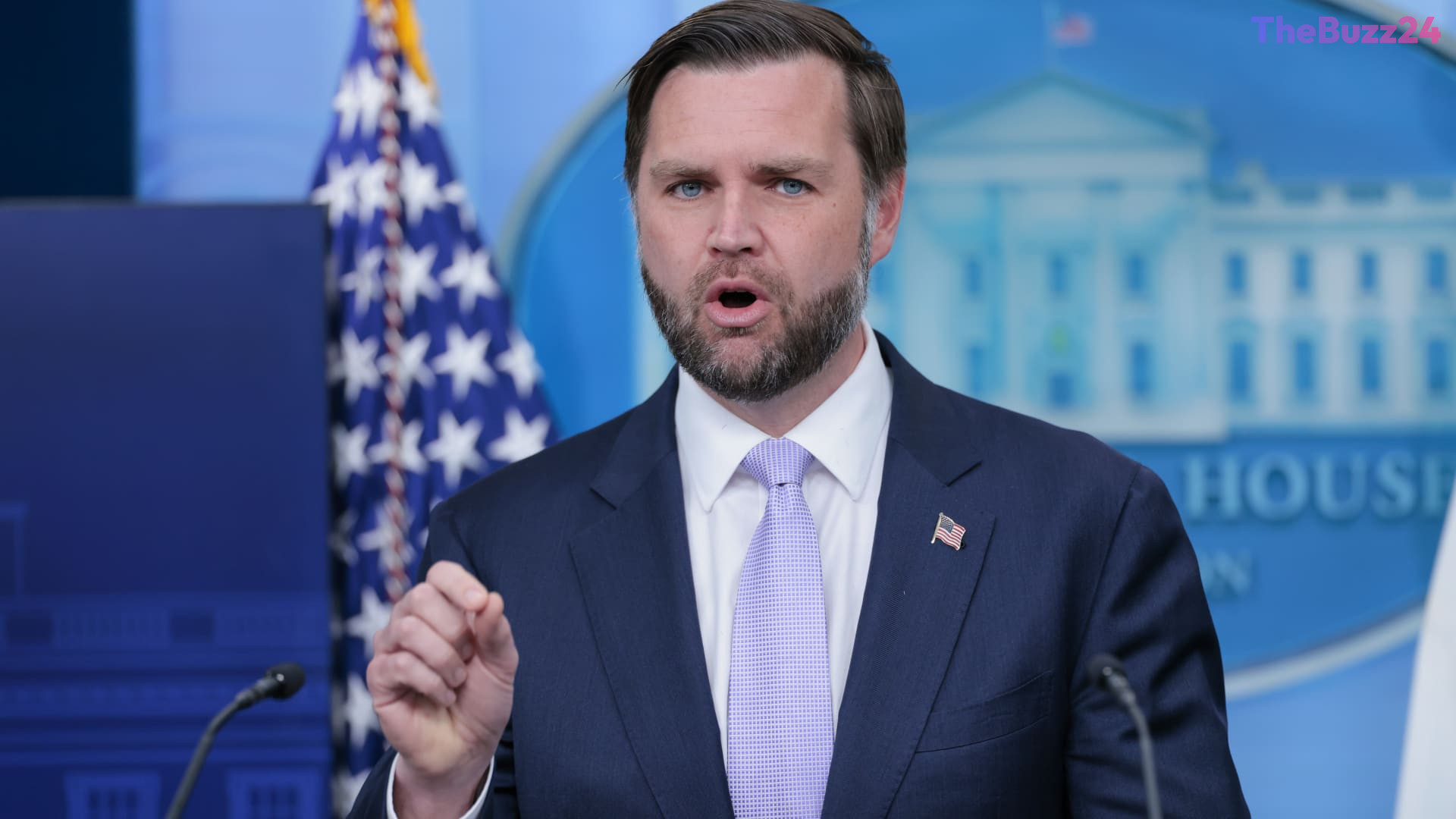
During a recent White House briefing, Vance dismissed allegations that the President is personally directing his investment portfolio while serving in office. He clarified that all financial decisions are handled by independent wealth advisors who operate with full autonomy. This separation is intended to ensure that the President remains insulated from the daily mechanics of his personal investments, preventing any direct influence over the trading strategy.
Representatives from the Trump Organization corroborated this account, noting that the assets are held in accounts managed by third-party financial institutions. These entities reportedly possess sole authority over investment moves, with no input or prior notification provided to the President or his family. Furthermore, a White House spokesperson confirmed that the assets are held in a trust managed by the President’s children, adding an additional layer of separation between the administration and the financial activity.
Despite the scrutiny, Vance reaffirmed his support for legislative reforms that would prohibit public officials from trading individual stocks. He emphasized that the administration remains committed to the principle that public service should not be used for personal financial gain. By advocating for a legal framework to ban such practices across the government, the administration aims to establish a higher standard of transparency and ethical conduct for all elected officials.
Key Takeaways
- President Trump’s financial records show over 3,700 stock trades in early 2026, leading to public concerns about potential conflicts of interest.
- The administration asserts that all trades are managed by independent third-party advisors with no input from the President or his family.
- Vice President Vance continues to advocate for legislation that would ban individual stock trading for government officials to ensure ethical standards.
Editor’s Analysis & Impact
The scrutiny surrounding the President’s stock portfolio underscores the persistent friction between private wealth management and the ethical standards expected of high-level public officials. While the administration relies on the ‘firewall’ of third-party management, the sheer volume of transactions creates a significant perception challenge that can undermine public trust. Market participants are increasingly sensitive to whether presidential rhetoric is inadvertently or intentionally influencing market volatility. Moving forward, the administration’s public support for a legislative ban on stock trading by officials appears to be a strategic effort to mitigate political fallout. However, until such legislation is passed, the intersection of executive policy and personal financial gain will remain a major point of contention, potentially serving as a recurring liability for the administration’s reputation and policy agenda.
Frequently Asked Questions
Q: Is President Trump personally managing his stock portfolio?
A: No. The administration maintains that all investment decisions are made by independent third-party financial institutions without input from the President.
Q: What is the administration's position on stock trading by government officials?
A: Vice President Vance has expressed support for legislation that would ban public officials from trading individual stocks to prevent the potential misuse of information gained through public service.
AI Disclosure: This article is based on verified data and official reports. Our Team and AI have cross-referenced every financial detail with primary sources to ensure total accuracy.
More from this Category