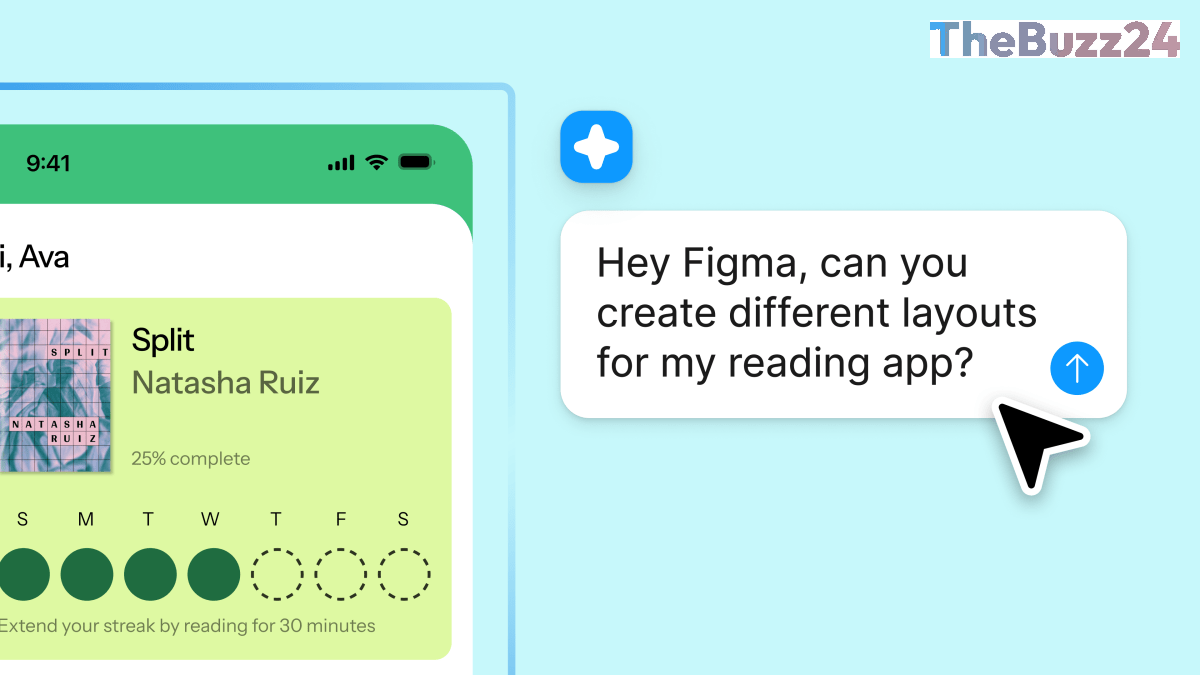
Figma Revolutionizes Design with Advanced AI Agent Integration
Figma is poised to transform the collaborative design landscape with the introduction of an advanced artificial intelligence agent directly integrated into its platform. This innovative tool empowers users to effortlessly generate novel designs, refine existing visual elements, and automate repetitive tasks through intuitive natural language commands. The capability to run multiple AI agents simultaneously is expected to dramatically accelerate design iteration cycles, allowing creative teams to explore a significantly wider array of concepts with unprecedented speed and reduced manual effort.
While Figma has previously leveraged cutting-edge AI technologies from industry leaders like OpenAI and Anthropic, this new agent is uniquely engineered for the intricate demands of design. Its specialized training enables it to interpret complex design contexts and spatial relationships with a level of precision that general-purpose AI models typically cannot match. This strategic enhancement aligns with Figma’s overarching vision: to elevate the designer’s role, shifting their focus from the meticulous details of execution to the broader strategic aspects of creative direction and user experience.
The initial rollout of this sophisticated AI technology will commence within Figma Design, with ambitious plans for its subsequent integration across the company’s entire product ecosystem. This expansion aims to forge a more seamless connection between the design phase and the coding process, thereby streamlining overall development workflows. Despite navigating a competitive market against established players such as Adobe and Canva, Figma continues to demonstrate robust financial health, reporting a substantial 46% increase in revenue, reaching $333.4 million in the first quarter of 2026. Recent strategic acquisitions, including the node-based tool Weavy, further underscore the company’s sustained growth trajectory and commitment to innovation.
Key Takeaways
- Figma has launched a specialized AI agent to automate and enhance design processes using natural language commands within its platform.
- This AI is purpose-built for design, offering superior context interpretation compared to general AI models, aiming to empower designers for strategic and creative work.
- The technology will first integrate into Figma Design, with plans for broader ecosystem deployment, as the company reports significant revenue growth amidst strong market competition.
Editor’s Analysis & Impact
Figma’s introduction of a specialized AI design agent marks a significant advancement in the creative software sector, intensifying competition with rivals like Adobe and Canva. This move positions Figma as a frontrunner in AI-driven design automation, potentially setting new industry benchmarks for efficiency and creative exploration. The company’s focus on bridging design and code suggests a future where design tools offer more seamless developer handoffs and even direct code generation, fundamentally altering established workflow paradigms. This innovation could redefine the designer’s role, shifting emphasis from manual execution to strategic oversight and conceptualization, while simultaneously boosting overall team productivity. Expect other major players to accelerate their AI integration efforts in response, ushering in a new era of intelligent design tools.
Frequently Asked Questions
Q: What is the primary function of Figma's new AI agent?
A: The AI agent enables users to generate new designs, modify existing layouts, and automate repetitive tasks by using natural language prompts directly within the Figma design environment.
Q: How does this AI agent differ from general AI models?
A: This agent is specifically fine-tuned for design-related tasks, allowing it to better understand complex design contexts and spatial relationships compared to more general-purpose AI models.
Q: What is Figma's long-term goal with this AI integration?
A: Figma aims to empower designers by enabling them to shift their focus from technical details to high-level creative direction and user experience strategy, thereby bridging the gap between design and code across its product ecosystem.
AI Disclosure: This article is based on verified data and official reports. Our Team and AI have cross-referenced every financial detail with primary sources to ensure total accuracy.
More from this Category