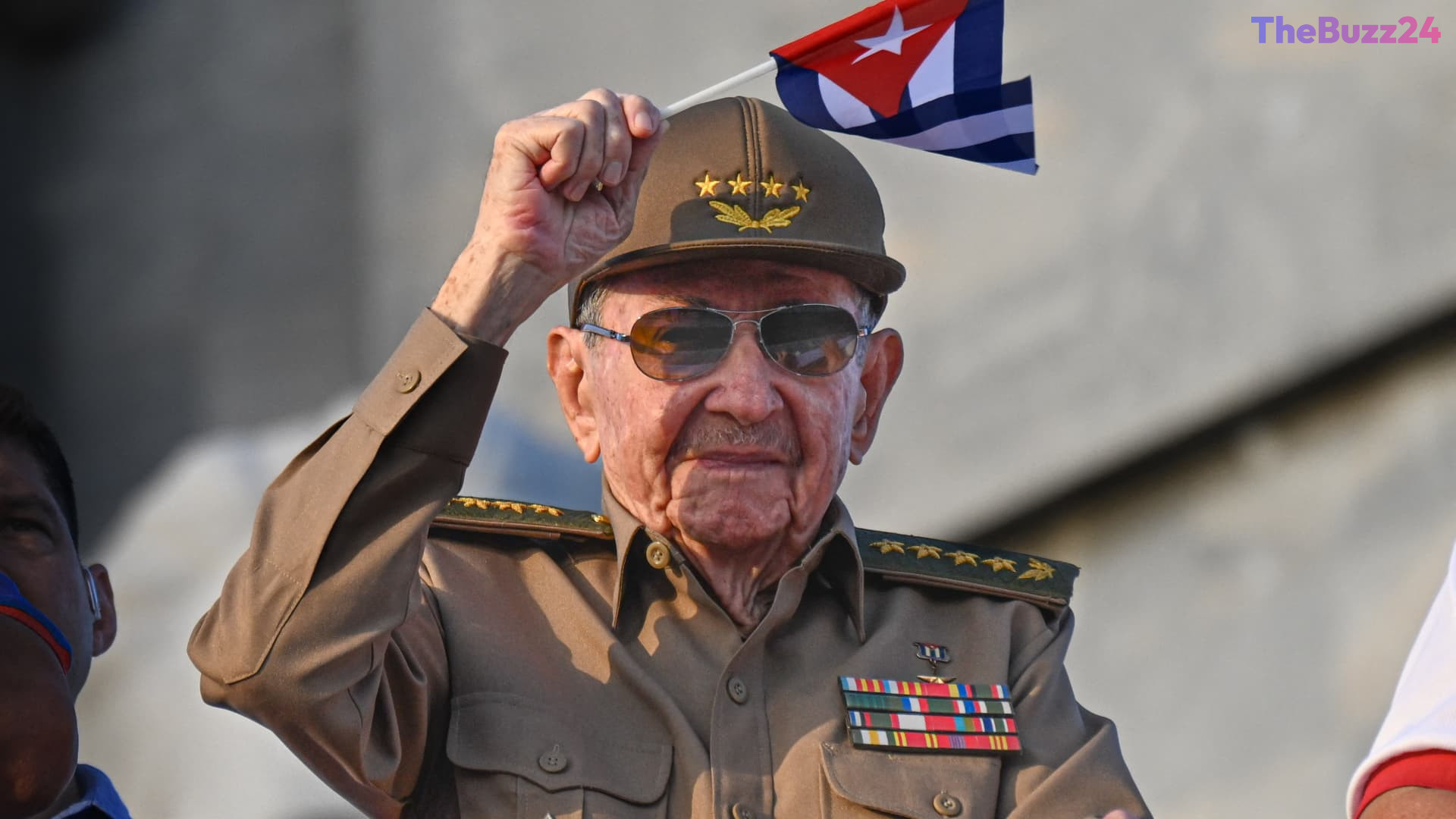
U.S. Indicts Former Cuban President Raul Castro on Murder Charges, Deepening Diplomatic Rift
Former Cuban President Raul Castro has been indicted in the United States on murder charges, a move that significantly intensifies the already strained diplomatic relations between Washington and Havana. The legal action, confirmed through official court records, centers on a 1996 incident where Cuban military jets intercepted and shot down two civilian aircraft. These planes were operated by the exile group Brothers to the Rescue, and all four individuals aboard perished during the encounter, which occurred over international waters according to the International Civil Aviation Organization.
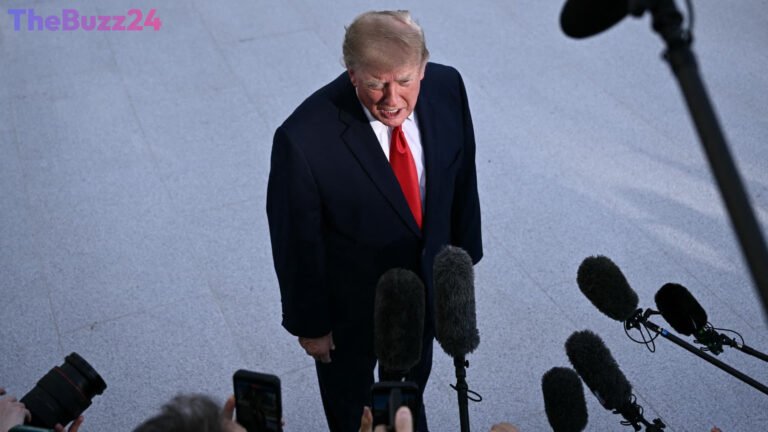
While the precise details of the indictment remain sealed, this development aligns with the current U.S. administration’s broader strategy to exert maximum pressure on the Cuban government. President Donald Trump has consistently labeled Cuba a “rogue state” and has signaled a decisive shift in policy, aiming to challenge the long-standing communist leadership that has governed the island since the 1959 revolution. Raul Castro, who held the position of defense minister at the time of the 1996 shootdown, continues to wield considerable influence within Cuba’s political structure, despite stepping down from the presidency in 2018.
Cuban officials have largely dismissed the U.S. legal proceedings. Current President Miguel Diaz-Canel has maintained that the island nation poses no threat to its neighbors. Concurrently, the U.S. has coupled its legal maneuvers with offers of humanitarian assistance, including a proposed $100 million package from Secretary of State Marco Rubio. However, Cuban Foreign Minister Bruno Rodriguez has publicly criticized this offer as cynical, arguing that the ongoing economic embargo is the primary cause of the country’s severe food and energy shortages.
There is currently no indication that Raul Castro will be extradited to face these charges, as he remains within Cuba. This indictment echoes previous U.S. attempts to prosecute foreign leaders, such as the case brought against former Venezuelan President Nicolas Maduro. As the U.S. continues to harden its stance on the Caribbean nation, the diplomatic chasm between the two countries has reached a new, volatile low, with both sides exchanging warnings regarding the potential for future conflict.
Key Takeaways
- Former Cuban President Raul Castro has been indicted by the U.S. on murder charges related to the 1996 shootdown of two civilian planes.
- The indictment marks a significant escalation in U.S.-Cuba diplomatic tensions, reflecting the current U.S. administration's hardline stance.
- Extradition of Castro is not anticipated, and Cuban officials have dismissed the legal action while criticizing U.S. humanitarian aid offers.
Editor’s Analysis & Impact
This indictment of Raul Castro represents a potent use of legal instruments as a tool of foreign policy, further cementing the U.S. administration’s aggressive posture towards Cuba. While direct market impact is limited due to existing embargoes, the move creates significant political uncertainty and discourages any potential future normalization of relations. It signals a continued hardening of the U.S. stance, potentially emboldening anti-Castro factions and solidifying the Cuban government’s resolve against external pressure. The broader implication is the establishment of a precedent for prosecuting foreign leaders for past actions, even without immediate prospects of extradition, highlighting the enduring ideological divide and the complex interplay of law and diplomacy in international relations.
Frequently Asked Questions
Q: What specific incident led to Raul Castro's indictment?
A: The indictment stems from the 1996 incident where Cuban military jets shot down two civilian aircraft operated by the exile group Brothers to the Rescue over international waters, resulting in the deaths of all four people on board.
Q: Is Raul Castro expected to be extradited to the U.S. to face these charges?
A: No, there is currently no indication that Raul Castro will be extradited to the United States to face these charges, as he remains in Cuba.
Q: How has Cuba responded to the indictment and U.S. pressure?
A: Cuban officials have largely dismissed the legal proceedings, with President Miguel Diaz-Canel asserting Cuba poses no threat. Foreign Minister Bruno Rodriguez has criticized U.S. humanitarian aid offers as cynical, linking them to the ongoing economic embargo.
AI Disclosure: This article is based on verified data and official reports. Our Team and AI have cross-referenced every financial detail with primary sources to ensure total accuracy.
More from this Category