Passport Proposal Featuring Trump Sparks Bipartisan Senate Opposition
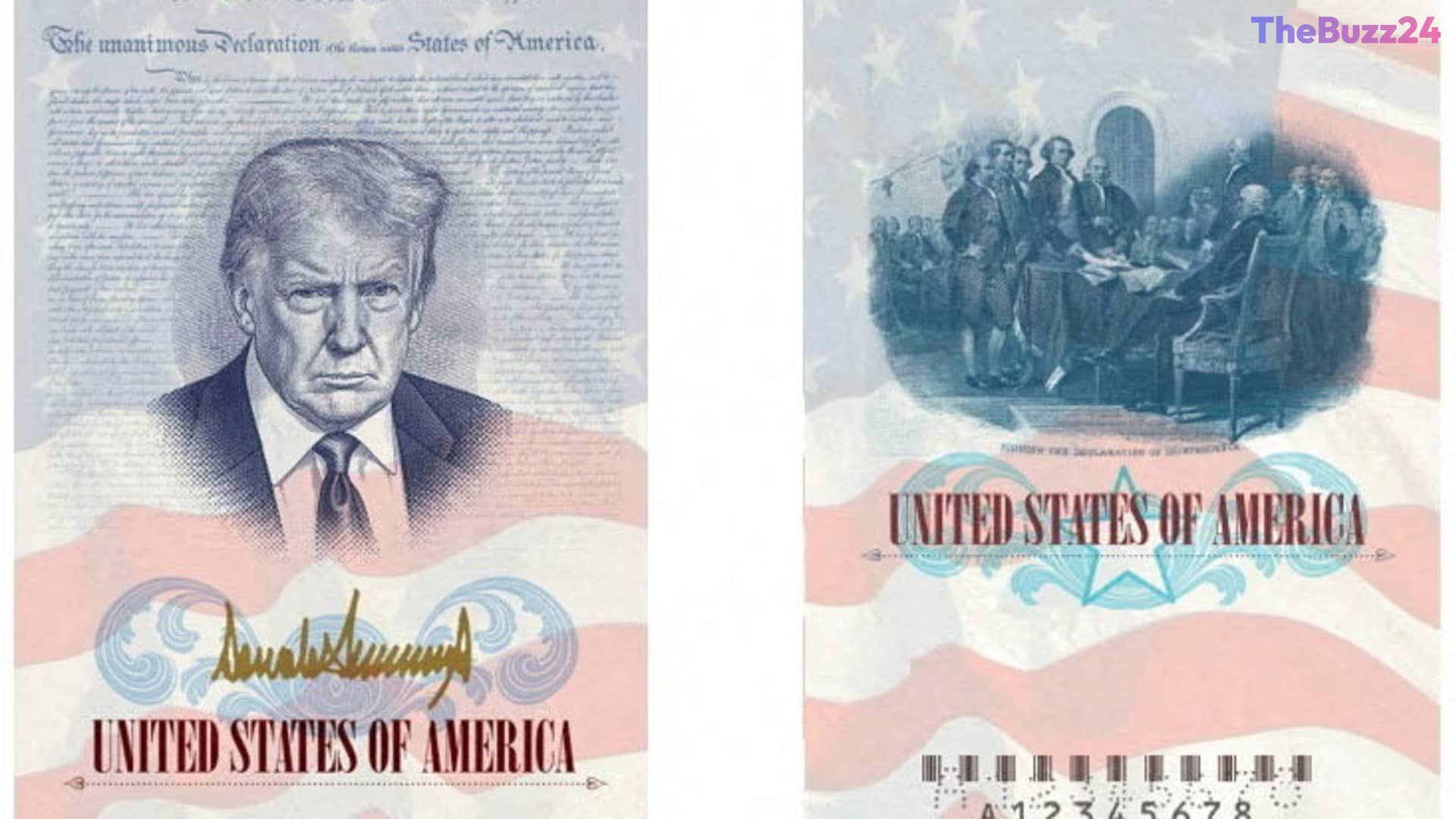
A group of senators has formally urged Secretary of State Marco Rubio to reconsider a proposal that would place President Donald Trump’s image on a special edition U.S. passport. The initiative, reportedly designed to mark the nation’s upcoming 250th anniversary, has encountered significant opposition from lawmakers concerned about the potential politicization of a document intended to represent national identity.
The senators, led by Jeff Merkley, highlighted in a letter that U.S. passports have traditionally refrained from featuring the likeness of a sitting president. The signatories, including Chris Van Hollen, Jacky Rosen, Tim Kaine, and Angus King, argue that such a move could compromise the passport’s neutrality. They are seeking detailed information on the project’s financial implications for taxpayers, the criteria used for design selection, and whether individuals can opt out of receiving the commemorative passport.
This controversy emerges within a broader context of the current administration’s efforts to incorporate President Trump’s image and name across various federal assets. Examples include banners on government facilities and commemorative coins, which supporters interpret as a celebration of national achievements, while critics view them as an inappropriate leveraging of public resources for political branding. Previous legislative attempts have sought to prevent the president’s image from appearing on items like national park passes and coinage.
The senators’ letter represents the latest effort to ensure that the semiquincentennial commemorations remain a non-partisan celebration. They caution that such actions could lead to unwarranted spending and potentially diminish the standing of national symbols as apolitical representations of the United States.
Key Takeaways
- Senators are challenging a proposal to feature President Trump on a special edition U.S. passport for the nation's 250th anniversary.
- Critics argue the move politicizes a national symbol and have requested cost and design transparency.
- The proposal is part of a larger trend of integrating the president's image into federal assets, drawing both support and opposition.
Editor’s Analysis & Impact
The debate surrounding the inclusion of President Trump’s likeness on U.S. passports underscores a growing tension between national commemoration and political branding. While proponents may see it as a way to honor a significant presidency, the opposition highlights concerns about the erosion of non-partisan symbols and the potential misuse of taxpayer funds for political messaging. This situation reflects a broader pattern of political polarization impacting even traditionally neutral governmental functions. The outcome could set a precedent for future commemorative initiatives and influence public perception of government institutions as either unifying or divisive.
Frequently Asked Questions
Q: Why are senators opposing the inclusion of President Trump's image on the passport?
A: Senators are opposing the proposal because they believe U.S. passports should remain neutral documents, free from political branding. They argue that featuring a sitting president's image politicizes a national symbol and deviates from historical precedent.
Q: What information are the senators requesting regarding this passport proposal?
A: The senators are seeking transparency on the total cost to taxpayers, the process used to select the passport's design, and whether citizens will have the option to decline the commemorative version.
Q: Is this the first time President Trump's image has been featured on federal items?
A: No, this is part of a broader trend during President Trump's term where his name and image have been incorporated into various federal assets, such as government building banners, currency, and commemorative coins, sparking similar debates about political branding versus national celebration.
AI Disclosure: This article is based on verified data and official reports. Our Team and AI have cross-referenced every financial detail with primary sources to ensure total accuracy.
More from this Category